2026 Best Road Repairing Machines for Global Buyers

Time:2026-09-10 Author:Charlotte
0%

Choosing the right Road Repairing Machine is a practical decision, not a simple price comparison. Global buyers must consider road conditions, climate, labor availability, transport limits, and after-sales support. A machine that performs well on dry highways may struggle on wet rural roads or narrow urban streets.

This guide examines the 2026 models most relevant to international contractors, municipalities, and road maintenance companies. It compares asphalt patching machines, infrared repair units, crack-sealing equipment, milling machines, and mobile road repair systems. Key factors include heating efficiency, working width, fuel consumption, hydraulic performance, operator visibility, and daily output. Small details matter. A sealed control panel can protect electronics during dusty work. A quick-loading hopper can reduce waiting time beside a busy road.

Reliable selection also requires evidence beyond brochures. Buyers should review field demonstrations, maintenance records, spare-parts access, warranty terms, and operator training. Machine weight may affect shipping costs and local road access. Emission requirements and electrical standards may also differ between markets. Always verify current requirements with qualified local professionals.

No machine wins everywhere. That assumption often fails. A compact unit may suit emergency pothole repairs but lack the capacity for long highway projects. A powerful system may appear efficient, yet become costly when specialized servicing is unavailable. This overview aims to support careful decisions through practical comparisons, manufacturer information, and realistic operating considerations. Performance can vary. Site testing remains valuable before major investment.
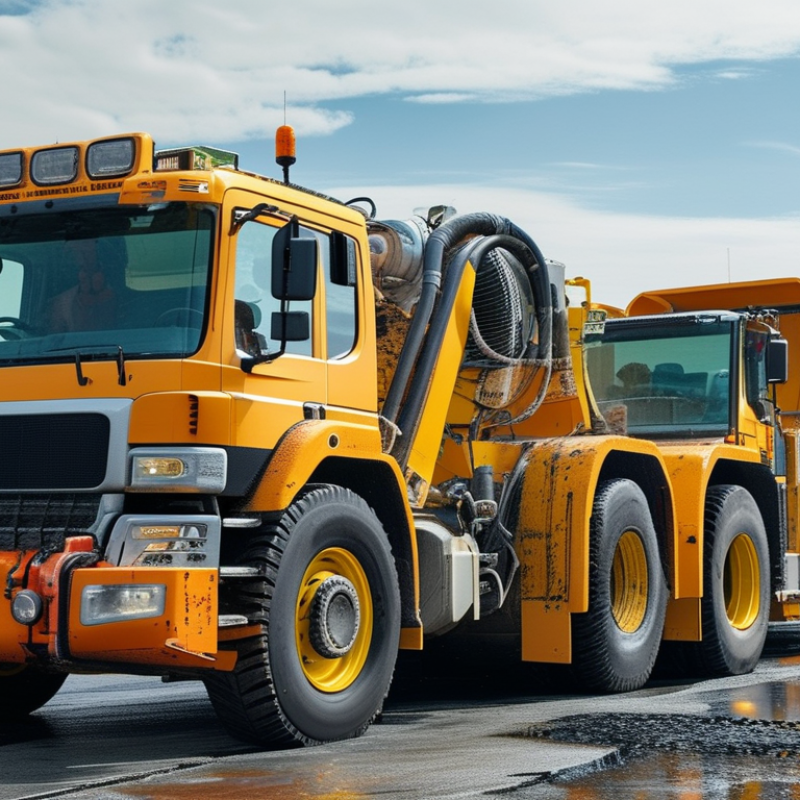
2026 Best Road Repairing Machines for Global Buyers

Road Repairing Machines: Definition, Purpose, and Main Categories

Road repairing machines are specialized equipment used to restore safe, durable, and serviceable road surfaces. Their work ranges from filling potholes to rebuilding damaged pavement layers. The purpose is practical: reduce vehicle risk, control water damage, and extend a road’s usable life. A quick patch may look efficient, but poor surface preparation can shorten its performance.

Main categories reflect different repair stages.

Cold or hot asphalt patching machines repair potholes and narrow surface failures.

Crack-sealing equipment injects heated sealant into joints before water enters the pavement.

Milling machines remove weakened asphalt at controlled depths, creating a clean base for resurfacing.

Recycling machines process existing pavement and mix it with new materials, reducing haulage and material waste.

Compactors then apply controlled pressure, improving density and load resistance.

The need is substantial. The World Bank’s Rural Access Index report found that about one billion people lacked reliable access to an all-season road. The Asian Development Bank estimated that developing Asia requires approximately 1.7 trillion dollars in annual infrastructure investment through 2030. These figures show why repair productivity matters, especially for growing transport networks.

Buyers should match machine type, working width, heating method, output, and local climate conditions. Maintenance access also matters. A sophisticated machine can become an expensive obstacle without trained operators and spare parts. That is an uncomfortable lesson, but it is often ignored. Test performance on representative pavement before making a large purchase.

Key Machine Types for Asphalt, Concrete, and Surface Maintenance

For global buyers, the best road repairing machine depends on pavement type, climate, and traffic load. FHWA Highway Statistics 2022 records over 4.1 million miles of public roads in the United States alone. This scale shows why one machine cannot serve every project. Asphalt milling machines remove damaged layers, while pavers place controlled-width courses. Pneumatic and steel-drum rollers then compact the mat. Roller selection must match mix temperature and target density.

Concrete projects require different control. Slipform pavers shape long lanes with consistent thickness and alignment. Surface grinders remove uneven areas around joints, ramps, and industrial floors. Diamond saws create clean contraction joints, reducing random cracking. Moisture changes the answer. Buyers should check cutting depth, dust control, water availability, and local power standards before purchase. Field experience also shows that oversized equipment can reduce productivity on narrow urban roads.

Surface maintenance machines protect budgets between major reconstructions. Micro-surfacing units, chip-seal distributors, crack-sealing systems, and cold recyclers treat early failures with limited material use. NAPA’s 2023 industry survey confirms reclaimed asphalt pavement remains a major input for new asphalt mixtures, supporting recycling-focused equipment choices. The Global Cement and Concrete Association’s 2050 Roadmap identifies cement production as responsible for about 7% of global carbon dioxide emissions. Fuel-efficient machines and accurate material dosing therefore matter. No machine is perfect. Buyers should compare verified output, maintenance access, operator training, and lifecycle cost, not only purchase price.

How to Select Road Repairing Equipment for Different Projects

2026 Best Road Repairing Machines for Global Buyers

Choosing road repairing equipment starts with the project, not the machine catalog. A narrow urban pothole needs different equipment from a damaged rural highway. For isolated patches, select a compact asphalt cutter, heater, and patching unit with precise controls. Check its working width, fuel use, and access clearance before purchase. A machine that cannot enter a tight street creates delays.

For long cracks, prioritize routing accuracy, sealing temperature, and material flow. In colder regions, insulated tanks and reliable heating controls are essential. Milling projects require attention to cutting depth, drum width, dust collection, and transport weight. Wet, uneven ground may demand stronger traction and adjustable working heights. Measure the road surface first. Guesswork becomes expensive.

Operators also need simple controls, clear maintenance points, and safe visibility around the machine. Ask suppliers for documented output rates, spare-parts availability, training support, and service response times. Confirm that noise, emissions, electrical systems, and transport requirements meet local regulations. The cheapest unit may cost more after repeated breakdowns. A larger machine is not always better. One common mistake is choosing maximum capacity for occasional repairs, leaving unused equipment and high storage costs. Project records should compare actual productivity, repair frequency, and fuel consumption after each season. That evidence may challenge the original buying decision.

Performance, Safety, Environmental, and Operating Cost Factors

For global buyers in 2026, road repair machines should match local pavement, climate, and production targets. Start with the road, not the brochure. A milling machine needs stable cutting depth on uneven surfaces. A paver should maintain material flow without frequent stoppages. Rollers must deliver consistent density, even beside drains and narrow shoulders. Field evaluations should measure output per hour, surface quality, fuel use, and adjustment time.

Safety deserves direct inspection. Operators need clear views around the machine, reliable emergency controls, non-slip access steps, and low-noise cabins. Reverse alarms help, but they cannot replace trained spotters and organized work zones. Dust suppression is important near homes and schools. It also protects filters and operator health. Small details matter.

Environmental performance now affects operating cost. Machines using recycled asphalt can reduce material demand, while efficient engines lower fuel consumption and emissions. Check hydraulic lines for leak protection and inspect water systems for unnecessary use. A low purchase price can mislead. Calculate fuel, cutting tools, tires, filters, transport, training, and expected downtime. Local technicians and available spare parts may matter more than maximum horsepower. Field results vary. Poor maintenance can erase excellent specifications within one season. Repair records should be reviewed honestly, including missed targets and recurring faults.

2026 Best Road Repairing Machines for Global Buyers - Performance, Safety, Environmental, and Operating Cost Factors
Machine Type Typical Working Width / Capacity Typical Power Range Primary Road-Repairing Application Performance Indicators Safety Factors Environmental Factors Indicative Operating Cost Best-Fit Buyer Profile
Cold Milling Machine 0.35–2.20 m milling width; milling depth generally 0–350 mm 100–750 kW diesel engine Removal of damaged asphalt, surface-level correction, lane rehabilitation, and preparation for overlays
  • High production on uniform asphalt surfaces
  • Accurate depth control using automatic leveling systems
  • Conveyor loading reduces separate material-handling work
  • Operator protection from rotating cutters and ejected material
  • Water spray for dust suppression
  • Rear-view cameras, work lights, emergency stop, and travel alarms recommended
  • Water consumption commonly required for dust control
  • Reclaimed asphalt pavement can be reused in new mixtures
  • Lower environmental impact when milling depth is precisely controlled
US$90–220/hour
Fuel, cutter wear, maintenance, and depreciation; excluding labor and material
Contractors handling urban resurfacing, airport work, highways, and projects requiring accurate material removal
Asphalt Paver Basic paving width approximately 1.8–9.0 m; output commonly 150–700 t/h 55–250 kW diesel or hybrid drive Continuous placement of asphalt mixtures for new pavement, overlays, patches, and widening projects
  • Consistent mat thickness and transverse profile
  • High paving quality when material temperature and supply are stable
  • Automatic grade and slope control improves smoothness
  • Safe access steps, handrails, and guarded auger areas
  • Operator visibility around hopper and screed
  • Emergency stop controls and reversing-area detection recommended
  • Low-temperature or warm-mix asphalt can reduce fuel use and emissions
  • Electric heating options may reduce local exhaust emissions
  • Efficient material transfer helps minimize asphalt waste
US$70–180/hour
Excludes asphalt material, labor, and transport
Road builders requiring high-quality, continuous paving and consistent surface smoothness
Tandem Vibratory Roller 1.0–2.1 m drum width; operating mass commonly 2.5–14 t 25–130 kW diesel engine Compaction of asphalt layers, base courses, and granular materials
  • Static and vibratory modes for different material conditions
  • High compaction efficiency on asphalt and granular surfaces
  • Automatic pass-count and compaction-measurement systems available
  • Roll-over protective structure and seat belt essential
  • Excellent drum-edge visibility and 360-degree camera systems recommended
  • Low-speed control and automatic parking brake improve site safety
  • Water spray prevents asphalt pickup but requires water management
  • Intelligent compaction can reduce unnecessary passes and fuel consumption
  • Low-noise operating modes benefit urban projects
US$35–95/hour
Includes typical fuel, maintenance, and depreciation allowances
General road contractors, municipal maintenance teams, and asphalt paving crews
Pneumatic-Tire Roller 1.5–2.3 m rolling width; operating mass commonly 8–28 t 60–180 kW diesel engine Sealing and kneading of asphalt mixes, chip seals, soil, and flexible pavement layers
  • Adjustable tire pressure changes contact pressure
  • Effective for closing surface voids and improving asphalt density
  • Ballast can be adjusted for different pavement conditions
  • Protected tire zones and safe access platforms
  • Rear camera, audible reverse alarm, and proximity detection recommended
  • Tire-pressure monitoring reduces handling and stability risks
  • Lower rolling resistance can reduce fuel use during transit
  • Correct tire pressure reduces unnecessary passes
  • Water or release-agent systems should prevent asphalt sticking without overuse
US$45–110/hour
Excludes ballast, labor, and project-specific consumables
Projects requiring strong surface sealing, chip-seal finishing, or flexible compaction performance
Motor Grader Blade length approximately 3.0–4.3 m; moldboard depth commonly 0.5–1.0 m 100–250 kW diesel engine Road-base shaping, shoulder maintenance, drainage profile correction, and unpaved-road grading
  • Precise cross-slope and crown control
  • Suitable for long-distance trimming and final shaping
  • 3D machine-control systems can improve accuracy and reduce rework
  • Articulated-frame locking device required during servicing
  • High-visibility cab, rollover protection, and blade-area visibility
  • Work-zone lighting and reversing cameras recommended
  • Machine control reduces excess aggregate movement and fuel consumption
  • Efficient grading supports drainage and can extend pavement life
  • Dust suppression may be required on unpaved roads
US$80–190/hour
Varies significantly with power, attachments, utilization, and terrain
Highway agencies, mining-road operators, rural-road contractors, and earthwork specialists
Full-Depth Reclaimer / Soil Stabilizer Working width approximately 2.0–2.5 m; typical reclamation depth 150–500 mm 300–750 kW diesel engine In-place recycling of deteriorated pavement and stabilization of weak subgrade soils
  • Processes existing pavement and base in a single working pass
  • Can reduce dependence on imported aggregate
  • Controlled injection of water, emulsion, or cement improves uniformity
  • Guarded rotor chamber and automatic rotor-stop functions
  • Dust-control systems required when dry materials are processed
  • Service isolation, lockout procedures, and operator visibility are critical
  • Reduces trucking, quarrying, and disposal requirements
  • Lower embodied carbon is possible through in-place recycling
  • Binder selection and application rate should follow laboratory testing
US$140–320/hour
High productivity can reduce total project cost despite higher hourly ownership cost
Large rehabilitation projects, climate-sensitive regions, remote worksites, and buyers targeting material reuse
Spray Patcher Typical hopper capacity 1–3 m³; repair width generally 0.3–1.0 m Auxiliary engine or truck-mounted hydraulic system, commonly 20–100 kW Pothole repair, edge repair, utility-cut restoration, and localized surface maintenance
  • Fast deployment for small and isolated defects
  • Blows out debris, applies binder, and places aggregate in a controlled sequence
  • Reduces preparation time compared with conventional manual patching
  • Operator should work from a protected cab or platform
  • High-visibility markings and traffic-management equipment essential
  • Remote nozzle controls reduce exposure to live traffic
  • Uses less material for small repairs than large paving equipment
  • Reduced haulage and shorter work zones can lower traffic-related emissions
  • Binder overspray must be controlled to avoid surface contamination
US$30–90/hour
Excludes binder, aggregate, labor, and traffic-control costs
Municipal maintenance departments and contractors responsible for rapid pothole response
Crack-Sealing Machine Material tank commonly 100–1,000 L; application wand or hose system Approximately 10–60 kW, depending on heating and pumping system Sealing longitudinal and transverse cracks before water infiltration causes structural damage
  • Accurate heating and metering of hot-pour sealant
  • Suitable for preventive maintenance and network-level preservation
  • Best results when cracks are cleaned and dry before application
  • Insulated tanks and guarded hot surfaces
  • Thermal protection, pressure relief, and emergency shutoff required
  • Traffic cones, warning lights, and heat-resistant PPE essential
  • Extends pavement life and can delay energy-intensive resurfacing
  • Efficient metering reduces sealant waste
  • Low-emission sealants should be selected where local regulations require them
US$20–60/hour
Excludes sealant, labor, and traffic-control costs
Road agencies focused on preventive maintenance and extending pavement service life
Planning note: Figures are representative 2026 market-planning ranges for conventional equipment configurations. Actual productivity, fuel consumption, emissions, safety equipment, ownership cost, and hourly operating cost vary with machine size, local fuel prices, climate, material type, operator skill, maintenance practice, utilization rate, emissions regulations, and transport conditions. Operating-cost estimates exclude labor and road-construction materials unless specifically stated.

Global Buying Guide: Suppliers, Specifications, and 2026 Market Trends

Global buyers need more than a low purchase price when selecting road repairing machines. The International Road Federation’s World Road Statistics 2024 highlights continuing pressure on aging road networks and maintenance budgets. Demand is shifting toward compact cold planers, asphalt recyclers, patching units, and tandem rollers that reduce traffic disruption. A machine must match local pavement depth, aggregate conditions, climate, and transport limits.

Supplier evaluation should begin with measurable specifications. Check milling width, cutting depth, drum diameter, operating weight, fuel use, and daily output. For rollers, compare static linear load, vibration frequency, amplitude, and gradeability. Ask for test certificates, maintenance schedules, spare-parts availability, and operator training. ISO 9001 quality systems can support reliability, but certification alone proves little. Service response time matters more in remote regions.

Market research from Fortune Business Insights indicates steady growth in the global road construction equipment sector through 2032, supported by urban renewal and infrastructure spending. Telematics, low-emission engines, automated grade control, and electric powertrains are becoming stronger buying factors. However, digital features may fail without stable connectivity or trained technicians. That is an uncomfortable gap. Buyers should request real fuel-consumption records and field references, not polished brochures. A cheaper machine can become expensive after one unavailable hydraulic filter stops a project.

FAQS

: What are road repairing machines used for?

: They restore damaged road surfaces and improve driving safety. They fill potholes, seal cracks, remove weak asphalt, and compact repairs. The goal is longer pavement life. Not always perfectly.

Which machine repairs potholes?

Cold or hot asphalt patching machines repair potholes and narrow surface failures. They place repair material into prepared areas. Surface cleaning remains important. A fast patch may fail early.

What does crack-sealing equipment do?

It injects heated sealant into pavement joints and cracks. This helps block water before it reaches deeper layers. Workers must clean and prepare cracks properly. Small details matter.

When is a milling machine necessary?

Milling machines remove weakened asphalt at controlled depths. They create a cleaner base for resurfacing. Stable cutting depth matters on uneven roads. Too much removal wastes material.

How do recycling machines support road repairs?

They process existing pavement and combine it with new materials. This can reduce material demand, transport distance, and waste. Results depend on mix quality and site control. Recycling is not automatic success.

What should buyers check before choosing a machine?

Match the machine with pavement condition, climate, working width, and output. Check heating methods, maintenance access, spare parts, and operator training. Test performance on representative pavement before a large purchase. Brochures are not enough.

What safety features deserve attention?

Operators need clear visibility, emergency controls, non-slip steps, and quieter cabins. Reverse alarms help, but trained spotters remain necessary. Organized work zones reduce collision risks. Dust control protects people and filters.

How should operating costs be evaluated?

Include fuel, cutting tools, tires, filters, transport, training, and downtime. Local technicians may matter more than maximum horsepower. Inspect hydraulic lines and water systems for leaks or unnecessary use. Low price can mislead.

Conclusion

This guide to the 2026 Best Road Repairing Machines for Global Buyers explains how a Road Repairing Machine supports asphalt restoration, concrete maintenance, pothole repair, crack sealing, milling, resurfacing, and other essential roadwork. It introduces the main equipment categories and clarifies which machines are suitable for highways, urban streets, rural roads, bridges, and small maintenance projects. Readers will also learn how to match machine capacity, working width, power source, mobility, and attachment options with specific project requirements.

The guide further examines performance, operator safety, environmental impact, fuel or energy use, maintenance needs, and total operating costs. For international buyers, it provides a practical purchasing framework covering supplier evaluation, technical specifications, after-sales support, spare parts availability, transport considerations, and compliance documentation. It also highlights important 2026 market trends, including more efficient equipment, lower-emission systems, improved automation, durable materials, and flexible machines designed to reduce downtime and long-term repair expenses.


Charlotte

Charlotte

Charlotte is a seasoned marketing professional with a deep understanding of the company's portfolio and a passion for elevating its presence in the market. With a keen eye for detail and a commitment to excellence, she ensures that our professional blog is regularly updated with insightful articles......