In 2026, global buyers will assess Building Equipment beyond purchase price. They will examine productivity, energy use, safety, service access, and long-term reliability. A wheel loader may look affordable, yet costly downtime can quickly change its value. A compact excavator may fit narrow urban sites, while a large crawler excavator suits demanding earthwork. These differences matter.
This guide reviews major Building Equipment types for construction companies, distributors, contractors, and project owners. It considers excavators, loaders, cranes, forklifts, concrete machinery, road equipment, and aerial work platforms. Each category serves a different site condition and operating goal. Buyers should compare operating weight, lifting capacity, fuel or battery performance, attachment compatibility, and operator visibility. Local technicians and spare-parts availability also deserve attention. They are often overlooked.
Reliable decisions require more than manufacturer claims. Buyers should request test records, warranty terms, maintenance schedules, and references from comparable projects. Independent certification can strengthen confidence, but paperwork does not replace field performance. That point is easy to miss. Soil conditions, climate, transport limits, and workforce skills can influence equipment results dramatically. A machine proven in dry conditions may struggle with persistent rain or weak ground.
This overview is not a perfect buying formula. Market data changes, and some specifications require verification before contracting. However, it offers a practical framework for comparing equipment types and suppliers. The strongest choice is rarely the newest machine. It is the machine that performs safely, economically, and consistently within the buyer’s real operating environment.
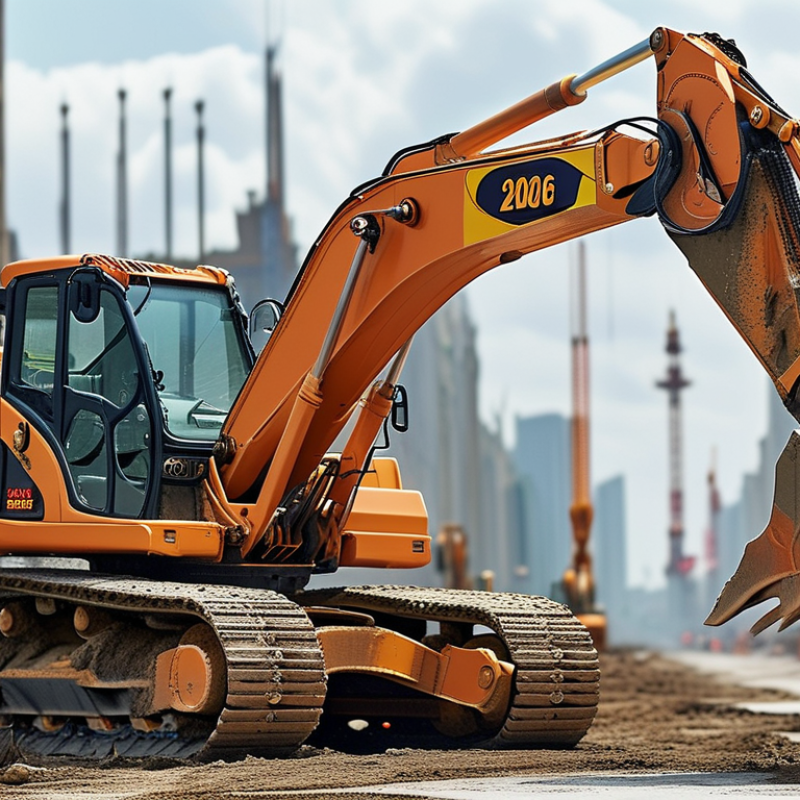
Building equipment is the machinery, systems, and tools used to construct, operate, and maintain buildings. Its scope covers earthmoving, lifting, concrete handling, access, electrical, HVAC, plumbing, fire protection, and building controls. Mobile machines work across changing sites. Fixed systems support daily building performance. The boundary is not perfectly clean.
Core functions include moving materials, forming structures, controlling indoor conditions, protecting occupants, and measuring performance. A crawler excavator prepares foundations, while a concrete pump delivers material into narrow spaces. Lifting equipment must match load, height, reach, and ground conditions. Ventilation equipment manages airflow, humidity, and indoor pollutants. Experienced procurement teams also check service access, spare parts, noise, and operator training.
The International Energy Agency reports that buildings consume about 30% of global final energy. UNEP’s 2024 Global Status Report for Buildings and Construction reported 32% of global energy use and 34% of global carbon dioxide emissions from the sector in 2023. These figures make equipment efficiency a purchasing issue, not a cosmetic upgrade. Global buyers should compare output, lifetime energy use, safety controls, and local maintenance capability. Energy labels can help, but they rarely describe full site performance. Classification also varies between suppliers and regions. That imperfection deserves review. A machine may meet its specification yet perform poorly under dust, heat, or unstable power conditions.
Construction projects worldwide depend on equipment matched to ground conditions, material flow, and project scale. Earthmoving machines, including excavators, loaders, bulldozers, and graders, prepare sites and maintain accurate levels. Cranes and telehandlers lift structural materials safely across busy work zones. Concrete mixers, pumps, and batching systems support foundations, floors, bridges, and utility structures. Compaction rollers and paving machines help create stable roads and hardstandings. Generators, compressors, and water pumps provide essential site services where infrastructure remains limited.
Equipment selection should follow a documented assessment, not a catalogue list. Experienced project teams review soil strength, lifting height, access width, fuel availability, maintenance support, and operator competence. On a high-rise site, lifting capacity and wind controls matter greatly. On a remote road project, transportability and dust resistance may matter more. I have seen schedules suffer when a machine looked powerful but could not reach the working area. Bigger is not always better. Reliable records, inspections, and clear load calculations reduce avoidable risk. Local regulations and site-specific safety procedures must guide every decision.
Tips: Compare total operating cost, not only purchase price. Check spare-part access before mobilization. Ask for service records and independent safety documentation. Keep backup plans for wet weather and delivery delays. A practical trial can reveal problems that specifications hide. Even careful planning misses something sometimes; review performance weekly and adjust the equipment mix when conditions change.
| Equipment Type | Primary Construction Applications | Typical Capacity or Operating Range | Best-Suited Project Stages | Key Buyer Selection Criteria | Common Safety and Compliance Considerations | Typical Procurement Model |
|---|---|---|---|---|---|---|
| Crawler and Wheeled Excavators | Earthmoving, trenching, foundation excavation, grading, demolition, and material handling with compatible attachments. | Mini units commonly use buckets below 0.3 m³; medium and large units often use buckets from approximately 0.5 to 3.5 m³. | Site preparationFoundationsUtilities | Operating weight, digging depth, bucket capacity, hydraulic flow, travel configuration, fuel or battery system, and attachment compatibility. | Operator protection, rollover protection, hydraulic hose condition, exclusion zones, lifting limits, and local machinery requirements. | Direct purchase, rental, used-equipment purchase, or project-based leasing. |
| Wheel Loaders | Loading aggregates, soil, demolition waste, and construction materials; stockpile management and short-distance site transport. | Common construction models have bucket capacities of approximately 1.5 to 6.0 m³, depending on operating weight and application. | EarthworksMaterial handlingQuarries | Bucket breakout force, rated payload, tipping load, cycle time, tire size, ground clearance, and fuel efficiency. | Load limits, visibility, pedestrian separation, reversing controls, braking performance, and work-surface stability. | Purchase or short- and long-term rental. |
| Tower Cranes | Vertical and horizontal lifting of concrete elements, reinforcement, formwork, façade materials, and mechanical equipment. | Maximum lifting capacity commonly ranges from about 4 to 20 tonnes; maximum load decreases as the working radius increases. | High-rise structuresCommercial buildingsInfrastructure | Maximum load, tip load, jib length, hook height, foundation or tie-in requirements, erection method, and wind limits. | Load charts, anti-collision systems, wind monitoring, certified erection, inspection records, and operator qualification. | Project rental, rental with erection service, or capital purchase for fleet operators. |
| Mobile and Crawler Cranes | Heavy lifting, structural installation, bridge work, precast placement, plant maintenance, and equipment positioning. | Typical construction fleets cover lifting capacities from roughly 25 to more than 500 tonnes, depending on configuration. | Structural erectionPrecast installationIndustrial projects | Rated capacity by radius, boom length, counterweight, roadability, outrigger footprint, terrain capability, and transport requirements. | Lift planning, ground-bearing assessment, rigging certification, outrigger setup, weather restrictions, and exclusion zones. | Specialist lifting contractor, daily rental, or project-based hire. |
| Ready-Mix Concrete Trucks | Transporting fresh concrete from a batching plant to foundations, slabs, columns, walls, pavements, and precast facilities. | Drum capacities commonly range from approximately 6 to 12 m³; actual load depends on concrete density and local road regulations. | Concrete worksFoundationsRoad construction | Drum volume, discharge speed, route access, axle configuration, washout system, delivery scheduling, and temperature control. | Truck stability, reversing procedures, washout-water management, traffic controls, and concrete quality documentation. | Usually supplied as a ready-mix delivery service rather than purchased by the project owner. |
| Concrete Pumps | Placing concrete at height, depth, or distance where direct discharge from a mixer truck is impractical. | Line and boom pumps commonly deliver approximately 30 to 180 m³ per hour; maximum reach varies by boom and pipeline configuration. | High-rise constructionLarge slabsFoundations | Output rate, vertical and horizontal reach, pipeline diameter, aggregate size, site access, setup footprint, and washout facilities. | Pipeline pressure, clamp security, hose whip prevention, stable outriggers, communication procedures, and trained operators. | Specialist subcontracting, daily hire, or purchase for frequent concrete operations. |
| Asphalt Pavers | Placement of asphalt mixtures for highways, urban roads, airport surfaces, parking areas, and industrial yards. | Paving widths commonly range from approximately 2.5 to 12 m; production depends on material supply and paving depth. | Road buildingPavementsResurfacing | Basic and maximum paving width, hopper capacity, screed heating, grade control, traction, operating speed, and material compatibility. | Hot-material handling, traffic separation, visibility, burn prevention, screed safety, and compliance with paving specifications. | Purchase, seasonal rental, or roadwork subcontracting. |
| Compactors and Rollers | Compaction of soil, granular bases, asphalt layers, embankments, and trench backfill. | Drum widths often range from about 1.0 to 2.2 m; operating weights commonly range from approximately 1.5 to 20 tonnes. | EarthworksRoad constructionSite finishing | Static and dynamic force, drum type, vibration frequency, amplitude, working width, water-spray system, and gradeability. | Vibration exposure, edge stability, reversing alarms, operator visibility, slope limits, and compaction testing procedures. | Purchase or rental, often combined with earthworks equipment. |
| Scissor Lifts and Boom Lifts | Elevated installation, façade work, electrical and mechanical services, maintenance, painting, and interior fit-out. | Working heights commonly range from approximately 6 to 45 m; platform capacities often range from about 230 to 450 kg. | Fit-outFaçade worksMaintenance | Working height, outreach, platform capacity, indoor or outdoor rating, terrain capability, power source, and transport dimensions. | Guardrails, harness requirements where applicable, emergency lowering, wind limits, ground conditions, and operator training. | Short-term rental is common; purchase is used for regular maintenance or specialist contractors. |
| Telehandlers and Rough-Terrain Forklifts | Lifting pallets, blocks, formwork, roofing materials, and other loads across uneven construction sites. | Typical rated capacities range from approximately 2.5 to 5 tonnes; maximum lift heights commonly range from 6 to 20 m. | Material handlingStructural worksRoofing | Rated capacity at reach, lift height, attachment options, stabilizers, turning radius, terrain performance, and load-chart clarity. | Load stability, attachment locking, visibility, slope operation, pedestrian separation, and limits for suspended loads. | Rental, purchase, or fleet leasing. |
| Drilling Rigs and Piling Equipment | Bored piles, driven piles, ground anchors, soil investigation, geothermal drilling, and foundation stabilization. | Equipment selection varies widely; common foundation systems drill or install piles from less than 0.5 m to more than 2 m in diameter. | Deep foundationsGround engineeringGeotechnical work | Drilling diameter and depth, torque, crowd force, soil capability, noise and vibration limits, mast height, and spoil management. | Underground service surveys, temporary works design, spoil control, lifting procedures, noise limits, and borehole records. | Specialist subcontracting or project-based equipment hire. |
| Generators and Temporary Power Systems | Providing electricity for site offices, lighting, pumps, tools, welding equipment, tower cranes, and temporary facilities. | Portable systems commonly range from approximately 10 kVA to more than 2,000 kVA; sizing must account for starting currents and load diversity. | All project stagesRemote sitesEmergency power | Prime or standby rating, fuel autonomy, emissions requirements, noise level, synchronization, voltage, load management, and enclosure protection. | Earthing, cable protection, fuel storage, exhaust ventilation, electrical inspection, fire prevention, and emissions compliance. | Rental with fuel and maintenance service, purchase, or hybrid temporary-power contract. |
| Air Compressors | Operating pneumatic tools, shotcrete equipment, abrasive blasting systems, instrumentation, and drilling tools. | Portable construction compressors commonly deliver approximately 2 to 30 m³ per minute at working pressures around 7 to 30 bar. | Civil worksDemolitionMining and tunneling | Free-air delivery, working pressure, duty cycle, air quality, portability, fuel or electric power, and altitude performance. | Pressure-vessel inspection, hose restraint, noise control, condensate handling, and protection from moving components. | Rental, purchase, or bundled supply with pneumatic tools. |
| Site Dumpers and Articulated Haulers | Moving excavated soil, aggregates, demolition debris, and construction materials across rough or unpaved terrain. | Site dumpers commonly carry about 1 to 10 tonnes; larger articulated haulers may carry more than 30 tonnes. | Bulk earthworksQuarriesInfrastructure | Payload, body type, tipping height, turning radius, ground clearance, traction, gradeability, and site haul-road conditions. | Overloading prevention, rollover protection, haul-road design, reversing controls, seat belts, and edge protection. | Purchase or rental, usually coordinated with excavators and loaders. |
Note: Capacity and operating figures are representative industry ranges. Actual specifications depend on equipment configuration, local regulations, site conditions, material properties, and manufacturer certification.
Global buyers are comparing excavators, wheel loaders, cranes, and concrete pumps more carefully. Each equipment type serves different site conditions. Capacity should match the workload, ground conditions, and transport limits.
A 20-ton excavator may be excessive for urban drainage work. A small loader may struggle on a large aggregate site. Review rated load charts, bucket volume, reach, and hourly output. Actual productivity matters more than impressive specifications.
Safety deserves equal attention. Check emergency controls, visibility, stability systems, guarding, and documented inspection records. Operators also need clear manuals and practical training.
Efficiency includes fuel use, cycle time, maintenance access, and downtime risk. A machine that saves fuel but needs frequent repairs may cost more overall. Small details matter.
Tips: Request test data, service histories, spare-part plans, and safety certificates before purchasing. Compare total ownership cost, not only the quotation.
Ask whether technicians can diagnose common faults remotely. A scoring sheet helps, but it can still miss local realities. Visit a working site when possible.
Watch the machine during loading, lifting, or pouring. Cost estimates are never perfect, especially when soil, weather, and operator skill change. Allow a realistic contingency.
Global buyers in 2026 are comparing more than excavators, cranes, loaders, generators, and HVAC systems.
Regional standards can change the real cost of each machine. Voltage, frequency, emissions limits, noise rules, and safety guards may differ between markets. A unit suitable for one country may need rewiring, software changes, or additional testing elsewhere.
Compliance should be checked before the purchase order.
Request technical files, test reports, installation instructions, and maintenance records from the supplier. Confirm whether the equipment needs local certification, energy labeling, or inspection at the port. Details decide clearance.
Customs documents should match the product description, serial number, declared value, and applicable tariff classification. Missing information can delay delivery and increase storage fees.
Import planning also requires practical experience.
Check container dimensions, lifting points, fuel restrictions, insurance terms, and spare-part availability. Large equipment may need a route survey before inland transport. Electrical equipment should be tested against the destination grid, not only the factory standard.
A checklist can still miss local interpretations. That is a weakness worth admitting. Buyers should consult qualified engineers, customs professionals, and local authorities when requirements remain unclear.
Keep written records of every confirmation, including who approved the specification and when. This creates a reliable audit trail and reduces disputes after arrival.
Building equipment in 2026 is becoming more connected, electric, and data-driven. The GlobalABC and UNEP 2024 Global Status Report states that buildings and construction consume 32% of global energy and produce 34% of global carbon emissions. This pressure is changing purchasing decisions for cranes, excavators, lifts, HVAC systems, and material-handling equipment. Buyers now examine energy use, operating data, and service access alongside capacity.
Connected equipment is moving from an optional feature to a practical control layer. Sensors can track vibration, temperature, fuel use, and battery health. Predictive maintenance may reduce unexpected downtime, although results depend on clean data and disciplined inspections. Artificial intelligence can support scheduling and fault detection, but it cannot replace experienced operators. Not yet.
Electrification is also reshaping equipment fleets. The International Energy Agency reports that buildings account for about 30% of global final energy consumption and 26% of energy-related emissions. Efficient heat pumps, electric lifts, battery-powered compact machines, and smart controls can reduce site emissions. Digital twins and Building Information Modeling are improving coordination before equipment arrives on site. Yet charging capacity remains uneven across regions. A technically advanced machine can still become an expensive idle asset when power, training, or spare parts are unavailable. Global buyers should test real operating conditions, not only showroom specifications.
Technology Trends Shaping Building Equipment in 2026
Heating, cooling, lighting, and heat-pump systems remain key equipment priorities for global buyers in 2026. The benchmarks below show the scale of energy demand or technology adoption associated with each category. Because the indicators use different reference bases, the percentages should not be added together.
Sources: International Energy Agency, “The Future of Heat Pumps” and “Space Cooling”; UNEP Global Status Report for Buildings and Construction; International Energy Agency, “Lighting”.
: Earthmoving machines prepare sites and maintain levels. Cranes, telehandlers, mixers, pumps, rollers, generators, compressors, and water pumps support different work stages.
Assess soil strength, lifting height, access width, fuel supply, maintenance support, and operator skills. Bigger is not always better. A powerful machine may still fail if it cannot reach the work area.
A high-rise project needs strong lifting capacity and wind controls. A remote road project may need transportable, dust-resistant equipment. Wet ground can also change the equipment mix.
Request technical files, test reports, installation instructions, and maintenance records. Keep written approval records. These records can support inspections and reduce disputes.
Incorrect product descriptions, serial numbers, values, or tariff classifications can delay clearance. Check container size, lifting points, fuel restrictions, insurance, and inland transport routes.
Compare purchase price, fuel or electricity use, servicing, spare parts, transport, and downtime. A cheap machine may become costly without local support.
Sensors can monitor vibration, temperature, fuel use, and battery health. Useful data needs regular inspections. Poor data can create false confidence.
No. It can assist scheduling and fault detection. Operators still need judgment, especially during changing ground or weather conditions.
Confirm charging capacity, battery performance, local training, and spare-part access. An advanced machine can sit idle without reliable power.
Trials reveal access, reach, noise, charging, and maintenance problems hidden by specifications. Specifications are not the whole story. Review performance weekly and adjust when conditions change.
This guide explains Building Equipment as the machinery, tools, and systems used to support construction, installation, maintenance, and site operations. It introduces major equipment categories for global projects, including earthmoving machines, lifting equipment, concrete and material-handling systems, access platforms, power solutions, and compact tools. It also examines how each type contributes to productivity, safety, accuracy, and project continuity across residential, commercial, infrastructure, and industrial applications.
For international buyers, selecting suitable equipment requires careful evaluation of operating capacity, job-site conditions, safety features, energy efficiency, maintenance requirements, total ownership cost, and operator training. The guide also highlights the importance of regional technical standards, certification, documentation, customs procedures, and after-sales support when importing equipment. Looking toward 2026, key technology trends include intelligent monitoring, automation, electric and low-emission power systems, remote diagnostics, connected fleet management, and data-based preventive maintenance. Together, these developments are helping construction companies improve performance, reduce waste, and make more informed purchasing decisions.

HME Machinery