7 Best Curb Paver Suppliers for Global Buyers?

Time:2026-10-05 Author:Aria
0%

Choosing among the 7 Best Curb Paver Suppliers for Global Buyers requires more than comparing catalog prices. Buyers must examine compressive strength, water absorption, freeze-thaw performance, color consistency, mold precision, and delivery reliability. A well-made Curb Paver should fit tightly beside asphalt or concrete, with clean joints and stable edges after heavy traffic.

Market evidence supports this careful approach. Grand View Research’s concrete pavers market analysis identifies infrastructure development, residential construction, and landscaping as major demand drivers. IMARC Group also highlights urban renovation and outdoor improvement projects as important market influences. However, these reports often combine several paver categories. Their figures should guide decisions, not replace supplier verification.

David R. Smith, a former technical director associated with the Interlocking Concrete Pavement Institute, is widely linked to the practical principle, “The pavement is only as good as the base beneath it.” That reminder matters for curb applications. Even premium units can fail when drainage, bedding sand, or subgrade preparation is poor.

This guide compares seven suppliers through a global buyer’s lens. It considers manufacturing experience, independent testing, export packaging, technical documentation, minimum order quantities, and after-sales support. Samples matter. So do factory videos, batch records, and references from similar climates.

No ranking is perfect.

Supplier information can change. Regional standards also differ. Buyers should confirm current certifications, project capacity, lead times, and local installation requirements before signing a purchase agreement. The strongest supplier is not always the cheapest. It is the one that delivers consistent Curb Paver quality from the first shipment to the last.
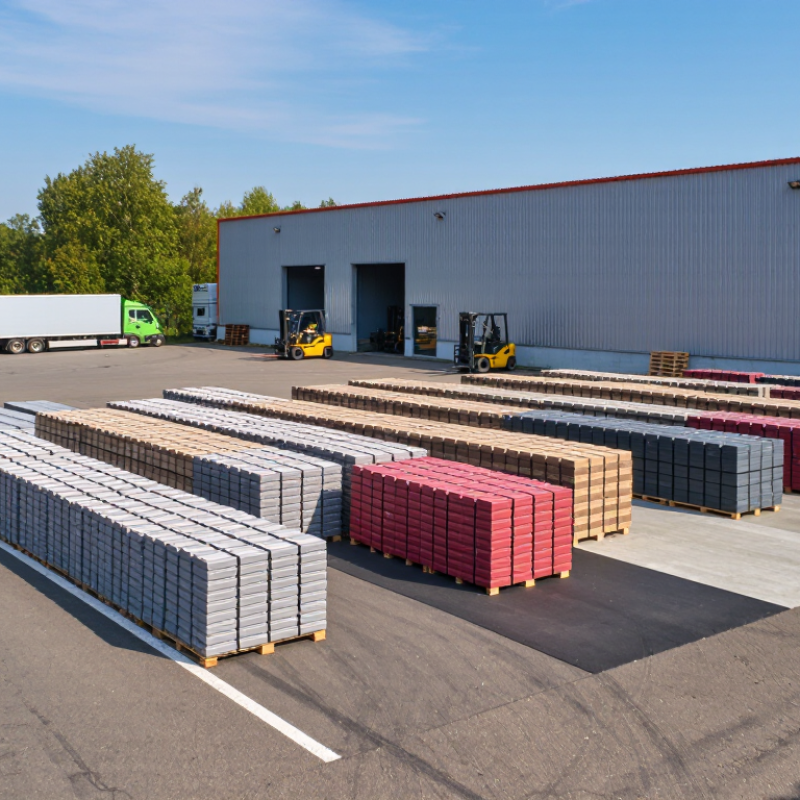
7 Best Curb Paver Suppliers for Global Buyers?

What Makes a Curb Paver Supplier Reliable for Global Buyers

7 Best Curb Paver Suppliers for Global Buyers?

A reliable curb paver supplier proves quality before requesting a large order. Global buyers should ask for technical sheets, product samples, and recent testing records. These documents should state dimensions, concrete strength, water absorption, surface finish, and color tolerance. Small differences matter when pavers must align beside long roads. A professional supplier also explains production limits clearly. Honest answers are more valuable than attractive promises.

Export experience is another practical signal. Reliable suppliers use strong pallets, moisture protection, corner guards, and clear carton markings. They should provide loading photos and accurate packing lists before shipment. Consistent communication also reduces costly surprises across time zones. Ask how the supplier handles damaged goods, shade variation, and delayed containers. Their response reveals operational maturity. Check references from buyers in different climates, not only nearby customers.

Price alone can mislead. A cheaper curb paver may have weaker edges, uneven thickness, or poor packaging. Those defects increase installation labor and replacement costs. Factory audits, independent inspections, and pre-shipment checks add useful protection. Still, no supplier is flawless. Even experienced exporters can misread a drawing or underestimate seasonal demand. I would require written approvals for samples, tolerances, packaging, and delivery dates. One overlooked detail can affect an entire project. Buyers should also reassess suppliers after every shipment, because reliability must be demonstrated repeatedly, not claimed once.

What Makes a Curb Paver Supplier Reliable for Global Buyers?

This 100-point procurement scorecard prioritizes the factors international buyers typically verify before selecting a curb paver supplier. Product conformity and delivery performance receive the highest weight because they directly affect construction quality, project schedules, and total landed cost.

Key Criteria for Comparing Curb Paver Quality, Design, and Durability

Choosing among the 7 best curb paver suppliers for global buyers requires more than comparing catalog photographs. Quality begins with material density, accurate dimensions, and consistent curing. Ask suppliers for compressive strength, water absorption, abrasion, and freeze-thaw test results. Independent laboratory reports are more reliable than general claims.

Design should suit the project, not only the showroom. Check edge profiles, surface texture, color stability, and available corner pieces. A paver may look attractive in dry weather but become slippery after rain. Request physical samples and compare them under daylight, moisture, and repeated handling.

Small color differences can become obvious across a long curb line. Installation guidance also reveals supplier experience. Clear tolerances, packaging details, and replacement procedures support more dependable purchasing.

Tips: Confirm the production date and batch number before ordering. Review pallet protection, container loading, and export documentation. For durability, match the paver to local traffic, climate, and deicing conditions. Experienced buyers often order a small trial batch first. It costs more initially, but it can expose weak edges, uneven coloring, or poor sizing before full production. One limitation remains: laboratory performance cannot fully predict every jobsite problem. Soil movement, rushed installation, and inadequate drainage may shorten service life. Ask practical questions, keep written specifications, and choose a supplier willing to discuss failures as openly as successes.

Seven Leading Curb Paver Suppliers and Their Core Strengths

Global buyers often compare curb paver suppliers by strength, not catalog size. A large precast manufacturer may offer consistent dimensions, automated production, and stable export capacity. A regional concrete specialist can provide faster delivery and better knowledge of local soil conditions. A natural-stone supplier brings distinctive textures and colors, although shade variation requires careful approval. An interlocking paver producer usually excels in modular designs, replacement convenience, and efficient pallet packing.

A recycled-material supplier may reduce virgin aggregate use and support environmental targets. However, buyers should request test data rather than trust broad sustainability claims.

A custom-mold supplier is valuable for drainage channels, curved edges, or heritage-style profiles. Its strength is flexibility, but custom tooling can increase lead times.

A large construction-material distributor may combine several product lines, local warehousing, and reliable after-sales support. That convenience can offset a slightly higher unit price.

In practical purchasing, I check compressive strength, water absorption, freeze-thaw performance, edge tolerance, and skid resistance. Samples should be inspected in daylight. Small differences matter.

Ask for production dates, pallet protection details, and replacement procedures.

One common mistake is choosing the lowest quoted price before calculating breakage, inland transport, and installation waste. Another is assuming a beautiful surface will remain unchanged in heavy traffic.

Supplier claims still need independent verification. Even experienced buyers can miss drainage compatibility when reviewing only product photos. A short pilot installation often reveals joint movement, color matching, and handling problems before a full shipment.

International Pricing, Certifications, Customization, and Export Services

7 Best Curb Paver Suppliers for Global Buyers?

International Pricing, Certifications, Customization, and Export Services

Choosing among seven curb paver suppliers requires more than comparing the lowest unit price. Request an itemized quotation showing mold costs, packaging, inland transport, and payment terms. Confirm whether pricing is EXW, FOB, or CIF. A pallet may look inexpensive until ocean freight and import duties change the landed cost. Ask for a recent production sample. Small color differences can become obvious across a long driveway.

Certifications deserve careful checking. ISO 9001 can indicate documented quality procedures, but it does not prove every paver meets local requirements. Request test reports for compressive strength, water absorption, slip resistance, and freeze-thaw performance. Reports should identify the tested product and laboratory. Regional compliance may differ. That detail is easy to miss. It should not be.

Reliable suppliers usually support custom dimensions, edge profiles, surface textures, and color matching. Confirm mold ownership, minimum order quantities, and sample approval in writing. Export experience also matters. Look for accurate HS codes, commercial invoices, packing lists, fumigation documents when required, and reinforced pallet packing. Photos of container loading can reveal weak protection. In my experience, communication speed is useful, but technical accuracy matters more. No supplier is perfect. I would still question unclear tolerances, vague delivery dates, and promises without evidence. A practical shortlist should balance price, documentation, customization control, and dependable after-sales response.

How to Select the Best Curb Paver Supplier for Your Project

7 Best Curb Paver Suppliers for Global Buyers?

Choosing among seven curb paver suppliers requires more than comparing catalog prices. Start with project conditions, including traffic load, freeze-thaw cycles, drainage, and installation methods. Ask for compressive strength, water absorption, dimensional tolerance, and abrasion data. A supplier should explain testing methods, not only display attractive numbers. Request physical samples before placing a large order. Hold them beside your planned paving units. Color and edge texture can change under outdoor light.

Look for manufacturing experience in similar climates and public works. Ask for recent project references, production capacity, and quality records. Reliable suppliers can describe batch control from raw material storage to pallet wrapping. They should confirm mold consistency and curing conditions. Check whether packaging protects corners during ocean transport. A damaged shipment creates delays and hidden labor costs. I once accepted a low quotation without checking pallet design. Several corners arrived chipped. That mistake changed my supplier checklist.

Evaluate communication before signing. Clear drawings, sample approvals, lead times, and replacement terms reduce disputes. Confirm export documents and realistic delivery windows. Certifications matter, but verify their scope and issuing body. An impressive certificate may cover another product. Use a small trial order when possible. Measure delivered pieces and record breakage rates. A supplier who welcomes inspection usually understands accountability. Still, no checklist removes every risk. Local installers may reject a profile that looked perfect on paper. Leave room for field feedback, especially around joint fit and curb transitions. Choose evidence over confident promises.

FAQS

What documents should a reliable curb paver supplier provide?

Request technical sheets, product samples, and recent testing records. These should show dimensions, concrete strength, water absorption, finish, and color tolerance. Clear evidence matters.

Why are physical samples important before a large order?

Samples reveal edge texture, thickness, and color under outdoor light. Place them beside your planned paving units. Printed images can hide small differences.

How can buyers evaluate a supplier’s production quality?

Ask about raw material storage, mold consistency, curing conditions, and batch control. Request factory quality records and dimensional measurements. Numbers without testing methods are weak evidence.

What packaging details protect curb pavers during export?

Strong pallets, moisture protection, corner guards, and clear carton markings reduce transport damage. Request loading photos and accurate packing lists. Corners fail first.

Should buyers choose the lowest quotation?

Not always. A cheaper paver may have weak edges, uneven thickness, or poor packaging. These defects can increase installation labor and replacement costs.

What project conditions should influence supplier selection?

Consider traffic loads, freeze-thaw cycles, drainage, and installation methods. Ask for compressive strength, water absorption, and abrasion data. Local climate changes performance.

How can buyers reduce delivery and communication risks?

Confirm drawings, sample approvals, lead times, packaging details, and delivery dates in writing. Ask how delayed containers or damaged goods are handled. Silence is concerning.

Is a small trial order worth using?

Yes, when possible. Measure delivered pieces and record breakage rates before expanding the order. I once ignored pallet design, and several corners arrived chipped. That mistake still affects my checklist.

How should buyers verify certificates and project references?

Check the certificate’s scope, issuing body, and covered product. Ask for recent references from different climates and similar public works. Nearby success may not transfer.

Can any supplier guarantee perfect performance?

No supplier is flawless. Drawings can be misread, demand can be underestimated, and field installers may reject an unsuitable profile. Reassess performance after every shipment. Reliability must be demonstrated repeatedly.

Conclusion

Choosing the right Curb Paver supplier is essential for projects that require reliable performance, attractive design, and long-term value. A dependable supplier should offer consistent product quality, accurate dimensions, strong resistance to weather and traffic, and clear technical documentation. Global buyers should compare materials, surface finishes, color options, load capacity, installation compatibility, and durability under different climates. Production experience, quality-control procedures, responsive communication, and a proven ability to meet delivery schedules are also important indicators of reliability.

The leading suppliers typically distinguish themselves through specialized manufacturing capabilities, flexible design support, stable export services, and practical customization options. Buyers should also review international pricing, minimum order quantities, packaging standards, certifications, payment terms, and after-sales assistance before making a decision. The best choice will balance product performance, appearance, total landed cost, production capacity, and compliance with the project’s technical requirements. By evaluating suppliers systematically and requesting samples or detailed specifications, global buyers can select a Curb Paver partner that supports efficient installation and dependable long-term results.


Aria

Aria

Aria is a dedicated marketing professional with a deep passion for innovative strategies and a keen understanding of our company's product offerings. With a wealth of experience in the industry, Aria excels at crafting engaging content that highlights the unique features and benefits of our......