Best Asphalt Paver Manufacturers in China?

Time:2026-09-25 Author:Madeline
0%

Choosing the best Asphalt Paver manufacturers in China takes more than comparing prices or glossy brochures. Buyers need to understand how each machine fits the work ahead. Road width, paving depth, daily output, and site conditions all matter. Small details matter, too. A screed that heats evenly, controls that respond smoothly, and tracks that handle uneven ground can shape the finished surface.

This guide introduces manufacturers and the questions worth asking before requesting a quotation. Compare working widths, engine options, paving capacity, and available configurations. Ask for clear technical specifications, operating manuals, and details about replacement parts. Check what training and after-sales support are available in your region. These points are easier to verify than broad claims about performance. If possible, review a machine in operation or speak with a current user.

A low purchase price may look attractive. But parts availability, service response, and operator training can affect costs over time. Look closely at what is included in the offer. Some details may be unclear until you ask. That is a limitation of any online comparison, and it deserves attention. The most suitable manufacturer will depend on your project, budget, and support needs. Use the company profiles below as a starting point, then confirm specifications and service arrangements directly with each supplier.
Best Asphalt Paver Manufacturers in China?

What Asphalt Pavers Do and Where They Are Used

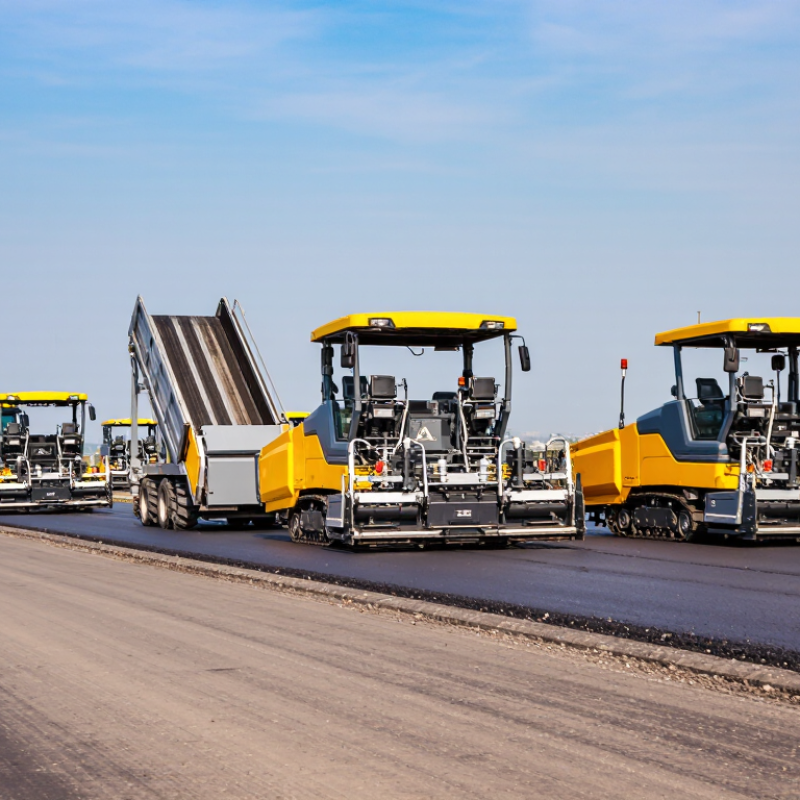
Asphalt pavers place and pre-compact hot-mix asphalt across roads, bridges, airports, and industrial yards. Their screed controls paving width, layer thickness, and surface profile. A sensor-guided paver can follow a stringline, curb, or digital terrain model. This matters when a few millimeters affect drainage and ride quality.

The National Asphalt Pavement Association reports that asphalt covers about 94% of paved roads in the United States. China’s Ministry of Transport reported more than 180,000 kilometers of expressway by the end of 2023. These figures show why pavers remain central to large road programs. A highway project may use a wide screed for continuous output, while an urban repair crew needs compact dimensions and quick turning. Airport work demands stable mat thickness. Parking areas need maneuverability more than extreme production speed.

Field results depend on more than machine size. Mix temperature, truck spacing, roller timing, and operator control often decide pavement quality. A paver can maintain a clean edge beside a concrete curb, but poor handwork may still leave segregation. That assumption is too neat. Bigger equipment is not always better. On narrow streets, excessive width can create wasted passes and uneven joints. Buyers should examine local aggregate, climate, service access, fuel use, and control systems before comparing specifications. The best choice is practical, not merely powerful.

What Asphalt Pavers Do and Where They Are Used

Asphalt pavers receive, spread, and pre-compact hot-mix asphalt before final compaction by rollers. The chart shows representative paving widths commonly required for major applications: urban streets, highway lanes, airport runways, and industrial yards. Actual widths vary according to project design, machine configuration, and screed extension.

How to Evaluate Asphalt Paver Manufacturers in China

Best Asphalt Paver Manufacturers in China?

How to Evaluate Asphalt Paver Manufacturers in China

Evaluating an asphalt paver manufacturer takes more than comparing prices or brochure specifications. Start with the machine’s working details: paving width, operating speed, screed heating, and adjustment range. Ask how the paver performs with the mix and road conditions you expect. Numbers need context.

Request clear technical documents, maintenance schedules, and records from machines already in service. During a demonstration, watch the screed respond to changes in speed and material flow. Check the finished mat for consistent thickness, smooth edges, and visible surface marks. Ask operators what requires daily attention. Small details matter.

Support can determine whether a machine stays productive after delivery. Confirm parts availability, technician training, response times, and the process for diagnosing faults remotely. Compare warranty terms carefully, and ask which components are excluded. Ask for proof. A polished demonstration cannot show performance across an entire paving season, so leave room for uncertainty. One overlooked detail can become an expensive delay. Request references from comparable projects, then verify that the equipment and service described match your needs.

Leading Chinese Manufacturers and Their Product Ranges

Chinese asphalt paver manufacturers typically offer tracked and wheeled models, from compact machines for urban repairs to high-output units for highways. Product ranges may include adjustable screeds, extension kits, heated screeds, and automatic grade-control systems. Check working width, paving thickness, hopper capacity, and transport dimensions against the job, not just headline output.

China’s Ministry of Transport reported 183,600 kilometres of expressways in its 2023 Statistical Bulletin on Transport Industry Development. That network gives useful context for sustained paving demand, but it does not prove that every manufacturer’s machine suits every project. Catalog figures can look reassuring; real performance also depends on mix temperature, crew coordination, and maintenance. A specification sheet is not a site test.

Tips: Ask for a live demonstration using a comparable asphalt mix. Watch how evenly the screed leaves the mat, especially near joints and edges. Confirm local parts availability and technician response times. A lower purchase price may cost more later if downtime is frequent. Be cautious here.

Comparing Paver Technology, Support, and Export Experience

When comparing asphalt pavers from China, look beyond engine power and maximum paving width. Check screed heating, crown adjustment, and whether operators can regulate material flow smoothly. A steady auger and responsive sensors matter on uneven approaches and long paving runs. Ask for test footage showing startup, turning, and stopping. Small details count.

Reliable support includes clear manuals, wiring diagrams, parts lists, and remote troubleshooting in a shared language. Confirm which wear parts are stocked, how quickly they can ship, and whether technicians can guide calibration after installation. Request references from buyers working with similar mixes, climates, and daily hours. Export experience also shows in packaging, documentation, and practical communication. Ask to review crating details, spare-parts packing, and commissioning checklists.

Compare warranty exclusions and response times in writing. A polished specification sheet is useful, but it cannot prove uptime on a demanding job. Factory demonstrations have limits; site conditions, fuel quality, and operator habits can change results. Vague answers about parts delivery deserve scrutiny, though even capable suppliers may face delays. That is worth checking.

How to Select a Chinese Asphalt Paver Manufacturer

Choosing a Chinese asphalt paver manufacturer should begin with your project conditions, not a polished brochure. Define paving width, expected output, transport limits, and the types of roads you maintain. Then compare these needs with the machine’s operating range. Ask for full specifications, including screed options, heating methods, and daily service points. Details matter. A factory demonstration can show paving consistency, mat thickness, and how quickly operators can adjust the screed. Bring someone who understands your mix and site conditions. A smooth test on an easy surface proves little about performance on a demanding job.

Check how the manufacturer controls production and tests completed machines. Request inspection records, component details, and references from customers with similar workloads. If possible, visit the production facility and look at assembly quality, wiring protection, and access to routine maintenance parts. Ask what the warranty covers, how replacement parts are shipped, and who handles technical questions after delivery. Get these answers in writing. A low purchase price may become costly when a small part takes weeks to arrive. Still, no checklist can guarantee trouble-free operation; judge the supplier by specific evidence, not confident promises.

Best Asphalt Paver Manufacturers in China? - How to Select a Chinese Asphalt Paver Manufacturer

Evaluation Dimension What to Compare How to Verify Why It Matters
Project and paver type Match the machine configuration to the work: highway paving, urban roads, parking areas, or smaller repair jobs. Compare tracked and wheeled configurations where both are offered. Give suppliers your project type, expected work schedule, site access limits, and paving plan; request a written configuration proposal. A suitable machine depends on job conditions and required output, not country of origin alone.
Paving width Check the standard screed width and the available extension arrangement. Confirm the minimum and maximum operating widths for the exact configuration. Request the screed specification sheet and a drawing showing the proposed working configuration. Working width affects lane coverage, joint planning, and the number of passes needed.
Layer thickness and paving capacity Compare the stated paving thickness range and rated material-handling capacity. Ask which operating conditions and material assumptions apply to published capacity figures. Ask for the relevant product documentation and, where possible, a demonstration using a comparable mix and paving condition. Rated capacity is not the same as guaranteed site output; actual results depend on mix, layer, width, haulage, and operating conditions.
Screed and compaction Review screed type, heating arrangement, crown adjustment, and available tamper or vibration functions. Inspect the screed specification, operating controls, and maintenance instructions; confirm which features are included in the quotation. Screed setup and consistent operation contribute to mat quality and surface finish.
Engine and emissions Confirm engine model, rated power, fuel requirements, and the emissions standard applicable to the destination market. Check engine documentation and emissions certificates against local import and job-site requirements. Regulatory requirements differ by market; confirm compliance before ordering.
Controls and grade management Compare the standard control system and compatibility with the grade or slope sensors and external systems required for the project. Request a list of standard and optional equipment, interface details, and a demonstration of the proposed setup. Compatibility should be confirmed for the complete machine configuration rather than assumed from a general product description.
Transport and dimensions Compare transport dimensions, operating weight, loading points, and any components that must be removed for shipping. Obtain a shipping configuration drawing and confirm transport limits with your freight provider. Transport requirements affect logistics, delivery cost, and site access.
Quality assurance Review documented production inspection, functional testing, and final machine inspection procedures. Request sample inspection records and agree in writing on pre-shipment inspection criteria. Documented checks make the delivered configuration and condition easier to verify.
Parts and service support Check parts availability, parts identification, technical support channels, service documentation, and support arrangements in your region. Ask for a parts list for routine maintenance, response procedures, and written confirmation of what support is available after delivery. Support capability can affect machine uptime over its service life.
Warranty and commercial terms Compare warranty duration, covered components, exclusions, claim procedure, payment terms, and delivery terms. Review the written contract and warranty document; do not rely only on verbal assurances. Clear terms help prevent misunderstandings about coverage, responsibilities, and delivery.
Final acceptance Define the agreed machine configuration, supplied accessories, documentation, and acceptance checks before production or shipment. Use a signed specification and inspection checklist; record any deviations and their resolution. A written acceptance process helps ensure the delivered machine matches the purchase agreement.
Selection note: There is no single “best” manufacturer for every project. Compare quotations against the same machine configuration and verify specifications, compliance, support, and commercial terms directly with each supplier. Product capabilities vary by model and configuration.

FAQS

What does an asphalt paver do?

It spreads and pre-compacts hot-mix asphalt. Its screed helps control paving width, layer thickness, and surface shape.

Where are asphalt pavers commonly used?

They work on roads, bridges, airport surfaces, industrial yards, and parking areas. Narrow repair sites often need compact machines that turn easily.

How should I choose a paver’s size?

Match the working width and transport dimensions to the project. A wide machine may waste passes on a narrow street.

Which screed features are worth checking?

Review heating, extension options, and crown adjustment. Watch whether the screed leaves an even mat near edges and joints.

Does a larger machine always produce better paving?

No. Mix temperature, truck spacing, roller timing, and operator control also affect the finished surface. Bigger is not always better.

What should I look for during a machine demonstration?

Use a comparable asphalt mix if possible. Watch startup, turning, stopping, and how evenly material flows across the mat.

How can I assess service support?

Ask about stocked wear parts, technician response times, manuals, and calibration help. Get warranty limits and response commitments in writing.

What should I check when arranging equipment delivery?

Review crating details, spare-parts packing, documentation, and commissioning steps. Even capable suppliers may face delays, so check the details carefully.

Conclusion

An Asphalt Paver lays and distributes hot-mix material to create smooth, consistent road surfaces. These machines are used in highway construction, urban street projects, parking areas, and other paving work. When assessing manufacturers in China, buyers should consider more than price: machine capacity, paving width, operating controls, component quality, fuel efficiency, and ease of maintenance all affect long-term performance.

Chinese manufacturers offer a range of pavers for different project sizes and working conditions. Compare their paving technology, available configurations, operator support, spare-parts access, and experience serving overseas customers. Before selecting a supplier, define your project requirements and budget, review technical specifications, and ask about training, warranty coverage, and after-sales service. The right choice is a reliable machine and support package that suits your work, rather than simply the lowest-cost option.

Madeline

Madeline

Madeline is a dedicated marketing professional with a wealth of expertise in our company's core offerings. With a keen understanding of the industry, she brings a unique perspective to her role, consistently delivering high-quality content that highlights the superior aspects of our products. As......