Choosing the right Road Marking Machine is a practical decision, not a simple equipment purchase. A machine may look powerful in a showroom, yet struggle on rough asphalt, narrow urban lanes, or damp surfaces. The real test appears at 6 a.m., when operators need clean lines, steady pressure, and minimal setup time.
Industry evidence supports this careful approach. The Federal Highway Administration’s Pavement Marking Handbook and the 2023 Manual on Uniform Traffic Control Devices emphasize visibility, consistency, material compatibility, and maintenance. Grand View Research also reports continued growth in the global road-marking materials market, driven by infrastructure renewal and safety investment. These trends suggest stronger demand for reliable equipment, but market forecasts vary. They should guide research, not replace field testing.
Pavement-marking specialist Paul Carlson has stated, “Pavement markings are the most visible traffic control device on the roadway.” That reminder changes how buyers should compare machines. Spray width, bead distribution, pressure control, paint recovery, operator visibility, and cleaning time all matter. So does the road surface.
A perfect machine does not exist.
The best choice depends on project scale, marking material, climate, maintenance access, and crew experience. This guide examines those factors through an evidence-based lens. It also questions a common assumption: higher output does not always mean higher productivity. A machine that leaves uneven edges or requires frequent repairs can quietly increase costs, delay closures, and weaken road-user confidence.
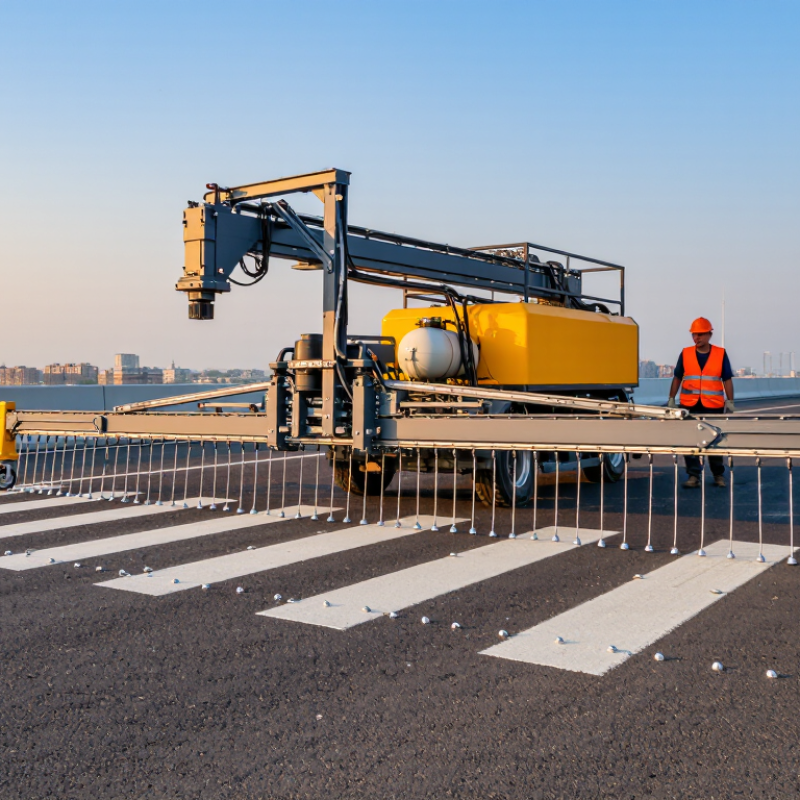
Choosing the Best Road Marking Machine: Understand Road Marking Machine Types and Their Applications
Road marking machines differ by material, surface, and project size. Airless spray machines suit highways, parking lots, and long center lines. They apply paint quickly and create clean edges. Cold paint systems work well for routine maintenance and urban roads. Thermoplastic machines use heated material for durable lines at busy junctions. They need careful temperature control. Two-component machines are useful for thick, highly reflective markings, although their setup takes longer.
Application conditions matter as much as machine type. A walk-behind unit offers better control around crossings, arrows, and narrow lanes. Ride-on equipment reduces fatigue on large sites. For rough asphalt, choose a machine with adjustable pressure and stable wheels. Check nozzle width, bead dispenser accuracy, tank capacity, and cleaning access. During field checks, I have seen excellent machines perform poorly because operators ignored surface moisture. That mistake is easy to repeat.
Tips: Match the machine to daily output, not occasional peak demand. Test a small section before full application. Watch the line at different speeds. If the stripe becomes uneven, reduce speed or adjust pressure. Keep records of paint use, drying time, and weather conditions. These details improve future decisions. A quieter machine may also be valuable near hospitals or residential streets. Specifications help, but practical trials reveal weaknesses that brochures often miss.
Choosing the best road marking machine starts with the pavement, not the equipment catalogue. Inspect the surface in daylight before selecting any machine. Check for cracks, loose aggregate, oil stains, dust, old markings, and uneven repairs. A dry-looking surface can still hold moisture. That detail matters. Rough asphalt may require a stronger spray system or a material designed for thicker coverage. Smooth concrete may need careful surface preparation for reliable adhesion.
Project requirements should guide the machine’s working width, material capacity, and application method. Measure the planned line width and marking length accurately. Note curves, arrows, pedestrian crossings, parking bays, and restricted access areas. A compact machine can offer better control in narrow spaces. Larger projects may need higher output and fewer refills. Traffic conditions also affect the choice. Short working windows demand quick setup, steady pressure, and simple cleaning procedures. Always compare the layout with local road authority specifications.
Test the equipment on a small area first. Apply a ten-metre line and inspect its edges, thickness, and consistency. Watch how the material behaves around cracks and patched sections. If the line feathers, the pressure or surface may be wrong. If coverage looks thin, the selected setting may need adjustment. I have learned that rushing this test creates avoidable repairs. Even experienced operators can misjudge pavement moisture or material temperature. Keep a written record of nozzle settings, weather, and drying time for future work.
Choosing the best road marking machine starts with its power system. Electric units produce less noise and suit depots, tunnels, and short urban jobs. Gasoline-powered systems usually offer longer field endurance. Hydraulic drives can handle thicker materials, but they demand stricter maintenance. Power changes the workflow. Check operating hours, recharge time, fuel access, and generator capacity before choosing. The FHWA Pavement Marking Handbook identifies spray, extrusion, and screed application as common methods. Spray systems suit fast paint application, while extrusion handles thermoplastic more steadily. Typical thicknesses range from about 15–25 mils for paint to 90–125 mils for thermoplastic, according to FHWA guidance. That difference affects heating, pressure, and cleaning requirements.
Operating features should match the road, not the sales brochure. Look for adjustable line width, stable glass-bead delivery, pressure control, and simple hose flushing. FHWA’s 11th edition MUTCD specifies a 4-inch minimum for standard longitudinal markings in many applications, so accurate width control matters. NCHRP Report 853 also emphasizes consistent application and retroreflectivity monitoring when evaluating marking performance. A practical inspection should check the first 30 meters for skips, uneven edges, and weak bead coverage. Small defects become obvious under headlights. Battery equipment may appear cheaper, yet cold weather and repeated high-pressure spraying can reduce usable runtime. I would not ignore that limitation. Teams sometimes choose maximum output and overlook operator fatigue, visibility, and cleanup time. Cleaning remains decisive. A machine that saves ten minutes during application may lose an hour through difficult maintenance.
Compare power systems, marking methods, and operating features using typical values for walk-behind and ride-on road marking equipment.
Airless spray machines generally provide higher working speeds and adjustable line widths, while thermoplastic systems create thicker, more durable markings but require heating equipment. Battery-powered machines offer lower operating noise and reduced local emissions, whereas petrol-powered systems are better suited to longer continuous operation. Values shown are typical operating ranges converted to representative comparison figures; actual performance depends on material, surface condition, nozzle size, traffic-control requirements, and machine configuration.
How to Choose the Best Road Marking Machine?
Precision begins with the spray system, not the machine’s advertised speed. Choose equipment with adjustable pressure, stable nozzle control, and visible width settings. A clean 10-centimeter line should remain consistent around bends and uneven pavement. Field crews should test paint flow on rough asphalt before full operation. The FHWA’s Manual on Uniform Traffic Control Devices, 11th Edition, stresses consistent markings for predictable driver guidance. That requirement makes calibration essential, although real sites rarely behave perfectly.
Durability depends on frame strength, pump quality, and protection from dust and moisture. NCHRP research on pavement marking materials shows that wear varies with traffic volume, climate, surface texture, and application thickness. Therefore, a powerful machine cannot compensate for poor preparation. Maintenance should be simple: flush the system, inspect filters, and replace worn seals after each shift. Downtime is expensive. More importantly, blocked nozzles can create weak markings that fade unevenly. That problem is easy to underestimate.
Tips: Compare cleaning time, spare-part access, and operator training requirements. A compact machine may improve control on narrow roads, while larger equipment can reduce labor on long routes. Safety also matters. The WHO Global Status Report on Road Safety 2023 records approximately 1.19 million annual road deaths worldwide, making clear visibility a serious responsibility. Select machines with guarded moving parts, stable handles, emergency shutoff controls, and low vibration. Operators still need reflective clothing and traffic protection. Technology helps, but it does not replace judgment.
| Machine Category | Typical Applications | Common Line-Width Range | Practical Output Range | Precision and Control | Durability | Maintenance Requirements | Key Safety Considerations | Best Choice When |
|---|---|---|---|---|---|---|---|---|
| Walk-Behind Airless Sprayer | Parking lots, pedestrian crossings, factory floors, small roads, and touch-up work. | 5–30 cm, depending on the spray tip and guard configuration. | Approximately 300–1,000 m²/h in practical site conditions. | 4/5 Adjustable pressure and interchangeable tips provide good line control. Manual guidance can affect straightness. |
4/5 Fewer drive components and a relatively simple frame support routine field use. |
Flush the pump and hose after each use; inspect filters, tips, guards, wheels, and hose connections regularly. | Use suitable respiratory and eye protection, control overspray, keep the spray tip pointed away from people, and relieve pressure before servicing. | A contractor needs a versatile, portable machine for varied small- to medium-scale marking jobs. |
| Ride-On Airless Sprayer | Large parking areas, airports, highways, logistics yards, and extensive pavement marking projects. | 10–40 cm, with multiple guns available on some configurations. | Approximately 800–2,500 m²/h, depending on layout and the number of spray guns. | 5/5 Consistent travel speed, adjustable gun positioning, and optional automatic line controls improve repeatability. |
5/5 Designed for high utilization, but tires, pumps, drive systems, and spray assemblies require scheduled inspection. |
Daily cleaning is required; inspect hydraulic or drive systems, filters, hoses, spray tips, batteries, and fluid levels according to the service schedule. | Requires operator training, high-visibility clothing, warning lights or barriers, safe reversing procedures, and careful control around workers and traffic. | High productivity and consistent lines are more important than compact size or low initial complexity. |
| Thermoplastic Screed or Extrusion Machine | Durable center lines, edge lines, pedestrian crossings, symbols, and high-wear road markings. | 5–30 cm for standard lines; wider markings may require specialized equipment. | Approximately 150–600 m²/h, depending on heating time, bead application, pattern, and road conditions. | 5/5 Produces thick, well-defined lines when material temperature, shoe height, and travel speed are correctly controlled. |
5/5 Thermoplastic markings generally provide strong wear resistance and reflectivity when properly installed. |
Remove cooled material from the screed or extrusion shoe; inspect heaters, temperature controls, bead dispensers, and material passages. | Hot material can cause severe burns. Use heat-resistant gloves, face protection, protective clothing, ventilation, and strict hot-surface procedures. | Long service life and high visibility are priorities, especially on busy roads and high-traffic surfaces. |
| Two-Component Plural-Component Sprayer | Long-life markings, high-build lines, textured markings, and demanding highway or airport applications. | 10–50 cm, depending on the mixing system, spray configuration, and material formulation. | Approximately 500–1,500 m²/h in suitable operating conditions. | 5/5 Accurate proportioning and controlled application can produce uniform thickness and strong edge definition. |
5/5 Equipment is built for demanding work, while cured two-component materials generally offer strong chemical and abrasion resistance. |
Strict flushing and material-ratio checks are essential; inspect pumps, mixing chambers, valves, filters, hoses, and spray tips after use. | Use chemical-resistant gloves, eye and face protection, suitable respiratory protection, ventilation, spill controls, and correct material-handling procedures. | High performance, chemical resistance, and extended marking life justify more complex operation and servicing. |
| Manual Aerosol or Small Canister Marker | Small symbols, temporary markings, utility locating, minor repairs, and short-duration layout work. | 2–15 cm, generally controlled by the selected nozzle or marking head. | Approximately 50–250 m²/h, depending on the task and canister capacity. | 3/5 Simple to operate but more affected by hand movement, canister pressure, and operator consistency. |
3/5 Suitable for light-duty work; consumables and small application parts may require frequent replacement. |
Clean the marking head, replace blocked nozzles, store containers correctly, and check the trigger or valve assembly. | Keep away from ignition sources, use ventilation, wear eye protection and gloves, and follow the coating safety data sheet. | Portability, low setup time, and low project volume are the main requirements. |
Choosing the best road marking machine starts with your actual workload, not the lowest price. A small contractor may need a compact spray unit for parking lots and short maintenance jobs. A highway crew usually needs higher output, larger material capacity, and stable line control. Write down weekly marking distance, surface types, line widths, and available operators. Start with records. These details prevent an attractive machine from becoming expensive storage.
Tips: Compare the full ownership cost. Include the purchase price, transport, fuel or power, cleaning supplies, replacement parts, and operator training. Ask how quickly common components can be inspected and replaced. Accessible filters and simple pressure controls can save hours during busy work. Request clear technical documents and maintenance schedules before paying. Test the controls in person when possible.
Long-term value depends on durability, adjustment range, and support quality. Choose a frame that tolerates daily vibration and wheels that track accurately on uneven pavement. Adjustable spray pressure and line width can support changing contracts without another purchase. However, more features are not always better. Extra systems may increase training time and repair costs. I once favored a cheaper unit, then underestimated cleaning time after each shift. That mistake reduced productivity and made the real cost obvious. Leave room in the budget for spare parts, routine servicing, and unexpected downtime.
Choose electric power for tunnels, depots, and short urban jobs. Gasoline systems usually support longer field operation. Hydraulic drives handle thicker materials but require stricter maintenance. Check operating hours, charging time, fuel access, and generator capacity.
Spray systems apply paint quickly across larger areas. Extrusion applies thermoplastic more steadily and consistently. Screed systems can support controlled material placement. Material thickness affects heating, pressure, and cleaning needs.
Look for adjustable line width and stable glass-bead delivery. Pressure control helps maintain even coverage. Simple hose flushing can reduce end-of-shift cleaning time. Small control errors become obvious under headlights.
Inspect the first 30 meters before continuing the full job. Look for skips, uneven edges, and weak bead coverage. Many standard longitudinal markings require accurate four-inch control. Retroreflectivity monitoring also helps evaluate long-term performance.
Record weekly marking distance, surface types, line widths, and available operators. Include parking lots, roads, and other regular work areas. Start with records. This prevents an attractive machine from becoming expensive storage.
Include purchase, transport, fuel or electricity, cleaning supplies, and replacement parts. Operator training and routine servicing also affect the real cost. Keep money available for downtime. The cheapest unit may not stay cheap.
Not always. Cold weather can reduce usable battery runtime. Repeated high-pressure spraying may drain power faster than expected. Check charging time and daily distance before choosing one.
Cleaning is decisive after every shift. A machine may save ten application minutes, then lose an hour during maintenance. Accessible filters and simple controls can shorten repairs. I once underestimated cleanup time. That mistake deserves reflection.
Choosing the right Road Marking Machine requires a clear understanding of the project, pavement conditions, and expected workload. Start by comparing machine types and their applications, such as equipment designed for small maintenance tasks, large construction projects, or specialized line marking. Consider whether the surface is asphalt, concrete, smooth, rough, dry, or uneven, as these factors affect paint adhesion and machine performance. Project size, line width, marking material, and required working speed should also guide your selection.
Next, evaluate the machine’s power system, marking method, control features, and ease of operation. A suitable model should provide accurate lines, consistent paint distribution, stable performance, and convenient adjustments. Durability, cleaning requirements, replacement parts, operator safety, and routine maintenance are equally important for long-term value. Finally, compare the purchase cost with operating expenses, productivity, and service life. The best choice is not always the cheapest option, but the machine that reliably meets current needs while supporting future projects within your budget.

HME Machinery