Choosing the right Asphalt Equipment can shape every stage of a paving project. It affects production speed, surface quality, fuel use, and operator safety. Roadwork rarely forgives poor preparation. A paver may appear powerful, yet perform poorly on narrow streets or uneven ground. A roller may seem suitable, but fail to reach the required density. Small details matter.
An informed choice begins with the project itself. Review the asphalt mix, paving width, expected output, terrain, and working climate. Measure the site carefully. Consider transport limits, maintenance access, and available operators. Field experience shows that equipment matching often matters more than impressive horsepower. Numbers can mislead. A machine’s capacity should match the crew’s realistic daily target, not an optimistic brochure estimate.
Reliable decisions also require evidence. Compare manufacturer specifications, service records, warranty terms, parts availability, and local dealer support. Check controls, visibility, vibration settings, tire condition, and emergency features before purchase or rental. This guide examines common Asphalt Equipment and explains where each option performs best. It also considers lifecycle cost, not only the initial price. No selection method is flawless. Unexpected weather, delayed materials, and changing project demands can disrupt even careful plans. That weakness deserves attention. The goal is not to choose the largest machine, but the most suitable one. With practical evaluation and professional guidance, contractors can reduce downtime, protect surface quality, and build a more dependable paving process.
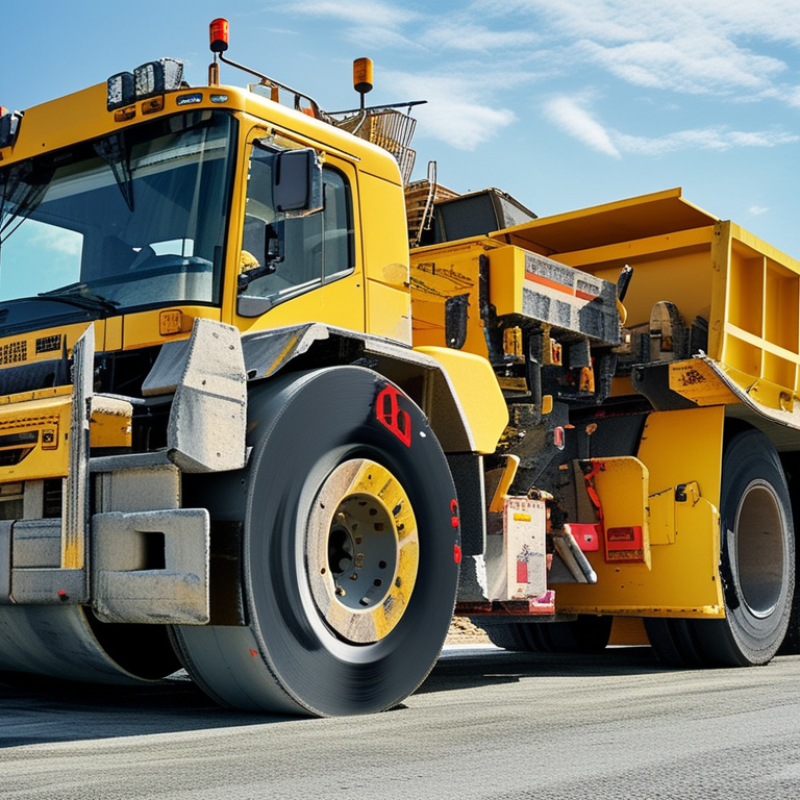
Choosing asphalt equipment starts with the project, not the machine. Define the paving area, layer thickness, target output, and construction schedule. A narrow driveway needs different equipment from a multi-lane road. Measure the working width carefully. Small errors can create uneven joints or repeated passes.
Check the asphalt mix temperature, required compaction level, and available delivery time. Hot material cools quickly, especially during windy weather. The paving crew must match equipment capacity with the plant’s production rate. Too much capacity wastes fuel and space. Too little capacity creates delays and weak compaction. That balance is easy to misjudge.
Study the working conditions before selecting equipment. Inspect ground stability, slopes, turning areas, overhead clearance, and access for transport vehicles. Wet soil may limit heavy equipment, while soft edges can reduce safe maneuvering space. Consider ambient temperature, rainfall, dust, and nearby traffic. Operators also need clear visibility and practical control layouts. Maintenance access matters on long shifts. A blocked filter or worn screed can stop progress unexpectedly.
Experience shows that plans often ignore small site restrictions. I once underestimated turning space on a tight repair site. The crew lost time repositioning equipment. A simple site sketch would have exposed the problem earlier. Record fuel access, power availability, spare parts, and operator skill. Then compare those facts with equipment specifications and local paving requirements. Leave some capacity for delays, but avoid choosing a machine far beyond the project’s real needs.
| Project Requirement or Working Condition | Typical Data Range or Situation | Recommended Equipment Type | Key Selection Criteria | Practical Recommendation |
|---|---|---|---|---|
| Small repair and maintenance work |
Potholes
Utility cuts
Short work zones Individual repair areas commonly range from a few square meters to several hundred square meters. |
Compact asphalt paver, asphalt hot box, plate compactor, or walk-behind roller | Low transport weight, narrow operating width, quick start-up, and easy access to confined areas | Choose compact equipment when mobility and access are more important than maximum hourly output. |
| Residential streets and local roads | Paving widths commonly range from approximately 2.5 to 4.0 m, with moderate daily production. | Compact or mid-size asphalt paver with tandem vibratory roller | Adjustable screed width, smooth material flow, good visibility, and precise low-speed control | A machine with a practical paving width close to the road width can reduce unnecessary passes and material waste. |
| Urban arterial roads | Frequent intersections, traffic restrictions, utility covers, curbs, and changing paving widths | Versatile asphalt paver, tandem roller, and pneumatic tire roller where permitted | Fast width adjustment, high maneuverability, low operating noise, and accurate edge control | Prioritize compact dimensions, precise steering, and rapid relocation between short work sections. |
| Highway and major road construction | Long continuous paving sections, high material demand, and paving widths commonly above 4 m | High-capacity asphalt paver supported by tandem vibratory rollers and, when suitable, pneumatic rollers | Continuous material delivery, wide screed capability, high torque, automatic grade and slope control, and strong compaction performance | Match the paver, asphalt plant, haul trucks, and rollers as one production system to avoid interruptions. |
| Asphalt layer thickness | Thin overlays may be about 25–50 mm; common structural lifts may be about 50–100 mm or more, depending on design. | Adjustable-screed paver and roller selected for the specified lift thickness | Screed range, vibration frequency, amplitude, static linear load, and ability to achieve target density without over-compaction | Use the project mix design and target density to determine roller size, pass count, and operating settings. |
| High daily production target | Continuous paving with a stable supply of hot mix asphalt and limited waiting time | High-output paver, material transfer support where required, and coordinated roller train | Hopper capacity, conveyor rate, screed heating, paving speed, fuel efficiency, and service access | Equipment capacity should exceed the planned production rate enough to handle normal delays without creating segregation or cooling. |
| Low-temperature or windy conditions | Rapid heat loss from the mix, especially with thin lifts, long haul distances, or strong wind | Paver with effective screed heating and rollers positioned close behind the paver | Thermal control, short material travel time, fast roller response, insulated transport, and temperature monitoring | Reduce unnecessary delays and confirm that the mix temperature remains within the supplier's approved paving range. |
| Hot weather conditions | High ambient temperature, strong solar radiation, and extended working shifts | Standard paver and roller fleet with reliable cooling and dust protection | Engine cooling capacity, hydraulic protection, operator comfort, dust filtration, and heat-resistant hoses and seals | Check cooling systems, maintain clean radiators, and schedule work to support consistent compaction and operator safety. |
| Soft or weak underlying surface | Low bearing capacity, possible rutting, moisture sensitivity, or uneven settlement | Tracked paver or low-ground-pressure paver, followed by a carefully selected roller combination | Ground pressure, traction, stability, vibration control, and risk of pushing or deforming the layer | Do not use heavy vibratory equipment solely to compensate for inadequate base preparation; verify the foundation first. |
| Tight curves, steep grades, or restricted access | Narrow lanes, sharp bends, ramps, bridges, tunnels, or limited turning space | Compact paver, articulated or highly maneuverable roller, and equipment with precise low-speed control | Turning radius, gradeability, traction, braking, operator visibility, and transport dimensions | Confirm the machine's operating width and transport height before mobilization, especially for tunnels and urban sites. |
| Dense-graded asphalt mixture | Relatively stable mix with a broad range of aggregate sizes and conventional compaction requirements | Vibratory tandem roller, often supported by a pneumatic tire roller where specified | Adjustable vibration frequency and amplitude, drum width, tire load, and water or release system | Establish a roller pattern during the trial section and adjust speed, vibration, and pass count to meet density targets. |
| Stone mastic or gap-graded mixture | Coarse aggregate structure and mix-specific compaction behavior | Vibratory tandem roller selected according to the approved mix design | Controlled vibration, suitable static load, drum surface condition, and ability to prevent excessive crushing or surface distortion | Follow the mix designer's compaction window and avoid settings that can damage aggregate or disturb the surface texture. |
| Need for smoothness and accurate profile | Projects with strict ride-quality, crossfall, thickness, or elevation requirements | Paver with automatic grade and slope control, supported by a smooth-drum finishing roller | Sensor compatibility, screed stability, hydraulic response, longitudinal control, and measurement capability | Use consistent material delivery and avoid stopping the paver whenever practical to minimize bumps and joints. |
| Limited transport and storage capacity | Remote projects, small contractors, restricted site entrances, or frequent equipment relocation | Trailerable compact paver and roller with practical transport dimensions | Operating weight, legal transport width, loading method, fuel use, maintenance access, and spare-part availability | Compare total mobilization cost, not only the purchase or rental price, before selecting a larger machine. |
| Long haul distance from asphalt plant | Extended truck travel time, traffic delays, or intermittent material delivery | Paver with adequate surge capacity and coordinated haulage; material transfer equipment may be beneficial | Hopper capacity, thermal uniformity, transfer rate, truck exchange time, and resistance to segregation | Balance truck numbers and paver speed so the paver can operate steadily without frequent stops. |
| Dusty, wet, or abrasive environment | Quarry roads, unpaved approaches, rainy conditions, or sites with high aggregate dust | Heavy-duty paver and roller with protected electrical, hydraulic, and filtration systems | Sealing quality, air filtration, corrosion protection, drainage, tire or drum condition, and service intervals | Inspect filters, joints, hoses, and electrical connections more frequently than under normal site conditions. |
| Night work or poor visibility | Restricted traffic windows, low-light conditions, or work near active traffic | Equipment with high-output work lights, clear operator sightlines, alarms, and reliable control interfaces | Lighting coverage, backup visibility, reflective markings, low glare, emergency controls, and operator ergonomics | Include lighting and traffic-management requirements in the equipment plan rather than treating them as optional accessories. |
| Frequent equipment use throughout the year | Multiple projects, long operating hours, and high annual utilization | Durable production-class equipment with accessible service points and diagnostic systems | Lifecycle cost, fuel consumption, maintenance intervals, uptime, component durability, and operator training requirements | Evaluate total cost of ownership, including fuel, maintenance, transport, downtime, and resale value. |
: Measure the paving area, layer thickness, working width, target output, and construction schedule. A narrow driveway needs different equipment. Small errors can create uneven joints and extra passes.
Inspect ground stability, slopes, turning space, overhead clearance, and transport access. Wet soil may restrict heavy equipment. Soft edges reduce safe maneuvering space. Make a simple site sketch.
Compare equipment output with plant production and truck arrival times. Excess capacity wastes fuel. Limited capacity causes delays and weak compaction. Hot mix cools quickly in windy weather.
Batch plants suit frequent mix changes and precise production. Drum plants support steady output over long paving runs. Check moisture, aggregate grading, binder temperature, and haul distance.
Recycling equipment should process reclaimed asphalt consistently and avoid overheating aged binder. Cold recycling can reduce hauling and energy use. It is not a shortcut. Moisture control remains essential.
Match screed width with the lane width and production rate. A high-output paver may waste resources when trucks arrive unevenly. Measure the working width carefully.
Steel-wheel rollers help create a smooth surface. Pneumatic rollers can knead and seal some mixtures. Monitor roller passes, surface temperature, and density behind the paver.
No. Use intelligent compaction data when available, but confirm performance with a test strip. I would not trust a perfect-looking specification alone. Conditions can change quickly.
Include fuel, labor, maintenance, wear parts, transport, training, downtime, and resale value. A cheaper machine may consume more fuel. Quiet costs can reduce profit.
Ask about technician availability, spare-parts response times, warranty coverage, diagnostics, manuals, and training. A delayed part can stop work. Support must be practical.
Check capacity, control compatibility, attachments, and power requirements. Flexible equipment may support later growth. Expansion plans can be wrong. Avoid paying for capacity you will not use.
Choosing the right Asphalt Equipment begins with a clear understanding of the project’s requirements, site conditions, material specifications, production volume, and expected working environment. Equipment should be compared according to its role in mixing, paving, compaction, or recycling, while considering capacity, compatibility, mobility, precision, and overall operating performance. Selecting machinery that matches the project scale and workflow can improve productivity, quality, and job-site efficiency.
A complete evaluation should also include fuel consumption, maintenance frequency, safety features, ease of operation, and the level of training required for operators. Beyond the initial purchase price, decision-makers should consider total ownership costs, replacement parts, technical support, equipment durability, and future expansion plans. The best Asphalt Equipment is not simply the most powerful option, but the solution that delivers reliable performance, practical operating costs, and long-term value under actual project conditions.

 HME Machinery