A Road Milling Machine is more than a machine with a rotating drum. It is a precision tool that removes damaged asphalt, controls pavement depth, and prepares a clean surface for renewal. On a busy highway, its cutter teeth meet the pavement with constant vibration, dust, heat, and pressure. Small differences in milling depth can affect material use, ride quality, and project costs.
Reinhard Wirtgen, founder of the Wirtgen Group, once stated, “Milling is the first step in road rehabilitation.” That sentence remains useful, although it does not explain everything. The machine’s value also depends on operator skill, drum condition, water management, conveyor performance, and after-sales support. A powerful model can still perform poorly when maintenance is ignored.
This Top 10 Road Milling Machine Manufacturers Worldwide overview examines the companies shaping this demanding sector. It considers milling width, cutting depth, productivity, fuel efficiency, machine control, recycling compatibility, and global service networks. Field experience matters here. Product brochures rarely show a worn drum at the end of a twelve-hour shift.
Real projects are less perfect.
Road temperature changes. Operators make adjustments. Transport delays happen. These details can influence results as much as horsepower. Therefore, the ranking should not be treated as an absolute verdict. Regional road standards, contractor experience, spare-parts access, and project size may change the best choice. A compact cold planer may suit urban repairs, while a high-capacity machine may perform better on long motorway sections. This practical perspective helps readers compare manufacturers with greater confidence, technical discipline, and realistic expectations.
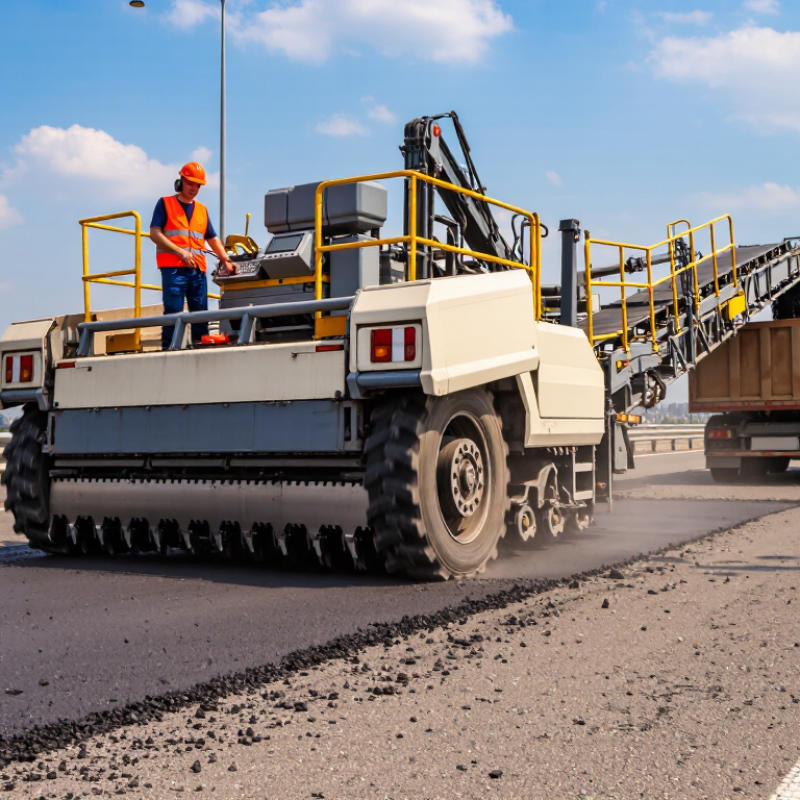
Road milling machines are often grouped by cutting width, but the 350–2,200 mm range is a practical buying guide, not a universal industry standard. Compact machines around 350–600 mm suit narrow repairs and utility trenches. Mid-width units can cover street lanes and patching work. Machines near 1,000–2,200 mm remove wider pavement strips with fewer passes. Width changes everything.
The National Asphalt Pavement Association’s 2023 Asphalt Pavement Industry Survey reports that about 96.3 million tons of reclaimed asphalt pavement were used in asphalt mixes that year. That figure highlights why milling depth and material handling matter alongside width. A narrow drum can help crews work around manholes and curbs. A wide drum may reduce overlap on open roads, but needs room to maneuver and haul away milled material.
A width label alone can mislead. Drum configuration, cutting depth, machine weight, and transport limits affect real productivity. Check the site plan, too. A 2,000 mm machine may look efficient on paper, yet be awkward on a tight urban street. Buyers should compare stated cutting width with the actual job, not assume wider always means better.
Manufacturer-neutral classification by cutting width. Figures are indicative ranges for commonly available machine classes; specifications vary by model, configuration, and operating conditions. This table is not a manufacturer ranking.
| Class | Cutting Width | Typical Maximum Milling Depth | Indicative Operating Mass | Indicative Engine Power | Typical Applications | Key Operational Advantage |
|---|---|---|---|---|---|---|
| 1 | 350 mm | Up to approximately 100 mm | Approximately 4–8 t | Approximately 40–75 kW | Narrow trenches, utility cuts, and confined repairs | Compact footprint for restricted work areas |
| 2 | 500 mm | Up to approximately 150 mm | Approximately 5–10 t | Approximately 50–100 kW | Pavement patching and narrow urban lanes | Useful balance of maneuverability and cutting capacity |
| 3 | 600 mm | Up to approximately 200 mm | Approximately 6–12 t | Approximately 60–120 kW | Road shoulders, patching, and small-area resurfacing | Fits jobs requiring more coverage than narrow-cut units |
| 4 | 1,000 mm | Up to approximately 300 mm | Approximately 12–20 t | Approximately 100–250 kW | Urban streets, intersections, and medium-sized projects | Versatile working width for general road rehabilitation |
| 5 | 1,200 mm | Up to approximately 300 mm | Approximately 14–24 t | Approximately 130–300 kW | City roads and medium-width lane milling | Higher coverage while retaining job-site flexibility |
| 6 | 1,300 mm | Up to approximately 300 mm | Approximately 16–27 t | Approximately 150–350 kW | Urban arterial roads and full-lane rehabilitation | Practical middle class for varied road widths |
| 7 | 1,500 mm | Up to approximately 300 mm | Approximately 18–30 t | Approximately 180–400 kW | Multi-lane roads and larger resurfacing projects | Efficient lane-width coverage on medium to large jobs |
| 8 | 1,800 mm | Up to approximately 330 mm | Approximately 22–36 t | Approximately 250–500 kW | High-volume urban roads and regional highways | Broad cuts reduce passes on larger work areas |
| 9 | 2,000 mm | Up to approximately 330 mm | Approximately 25–40 t | Approximately 300–550 kW | Highway lanes and major road rehabilitation | Designed for high daily production on long runs |
| 10 | 2,200 mm | Up to approximately 330 mm | Approximately 28–45 t | Approximately 350–600 kW | Wide highway sections and large-scale milling contracts | Very wide drum supports fewer passes across broad surfaces |
Note: Maximum depth, mass, and engine power depend on machine design, drum setup, optional equipment, and local specifications. Confirm exact values in the relevant technical data sheet before procurement or project planning.
A 350–600 mm drum can fit utility trenches and work around manholes or curbs. Check site clearance first.
Widths near 1,000–2,200 mm can remove broad pavement strips with fewer passes. They need room to turn and enough hauling capacity. Not always better.
No. Drum setup, cutting depth, machine weight, transport limits, and site layout all affect output. A wide unit can struggle on a tight street.
Some models can reach about 350 mm in one controlled pass. Daily output also depends on cutter spacing, ground conditions, and conveyor capacity.
No. High power can help maintain drum speed in demanding material, but may increase fuel use and maintenance needs. Match power to the workload.
Look for a rigid frame and accurate depth control. Automatic leveling can help maintain an even profile on uneven pavement.
Milled material must move continuously. Conveyor capacity affects loading, and wet material can cause clogs. In 2023, asphalt mixes used about 96.3 million tons of reclaimed pavement.
Compare jobsite records for production rate, fuel use, and tool wear. Field trials reveal visibility, noise, and service access better than brochures. Local parts support is easy to underestimate.
This article presents a practical overview of the Top 10 Road Milling Machine manufacturers worldwide, focusing on product capability, global reach, and engineering performance rather than brand promotion. It classifies machines by cutting width, from compact 350 mm units for confined repair work to large 2,200 mm models designed for high-volume pavement removal. The ranking considers machine output, fleet scale, engine power, production capacity, and after-sales service coverage across major construction markets.
The technical comparison examines milling depths of up to 350 mm, power ratings exceeding 1,000 kW, cutting efficiency, operator control, and adaptability to different road conditions. It also reviews regional manufacturing footprints, cold recycling systems, material recovery solutions, and compliance with increasingly demanding emission standards. Together, these factors help contractors evaluate a Road Milling Machine based on productivity, transport flexibility, maintenance support, environmental performance, and long-term operating value.

 HME Machinery