Why Choose a Chip Sealer for Global Packaging Needs?

Time:2026-10-10 Author:Isabella
0%

Global packaging is under pressure to become faster, safer, and more resource-efficient. Smithers’ The Future of Global Flexible Packaging to 2028 estimates that the flexible packaging market will exceed $300 billion by 2028. This growth reflects rising demand for lightweight pouches, snack bags, pet-food packs, and specialty films. Each package still needs a dependable closure. That is where a Chip Sealer can provide practical value.

A Chip Sealer uses controlled heat and pressure to create consistent seals across many flexible materials. In a busy production area, operators can adjust temperature, sealing time, and conveyor speed for different bag sizes. The result is a neat seal that helps protect chips from moisture, oxygen, and handling damage. PMMI industry research also identifies automation, labor efficiency, and packaging flexibility as continuing priorities for manufacturers. A reliable sealing system supports all three.

However, equipment selection should not rely on speed alone. Seal width, film structure, cleaning access, power standards, and maintenance support affect performance across regions. A machine that works well on a thin snack pouch may require different settings for laminated or recyclable film. That detail is often underestimated. The World Packaging Organisation’s Global Packaging Trends report highlights sustainability and waste reduction as major industry concerns, but better sealing does not automatically make packaging sustainable. Material choice still matters. Therefore, choosing a Chip Sealer requires testing, operator training, and measurable quality checks. It is a practical investment, though not a perfect answer. Real production conditions can reveal weaknesses that brochures rarely mention.
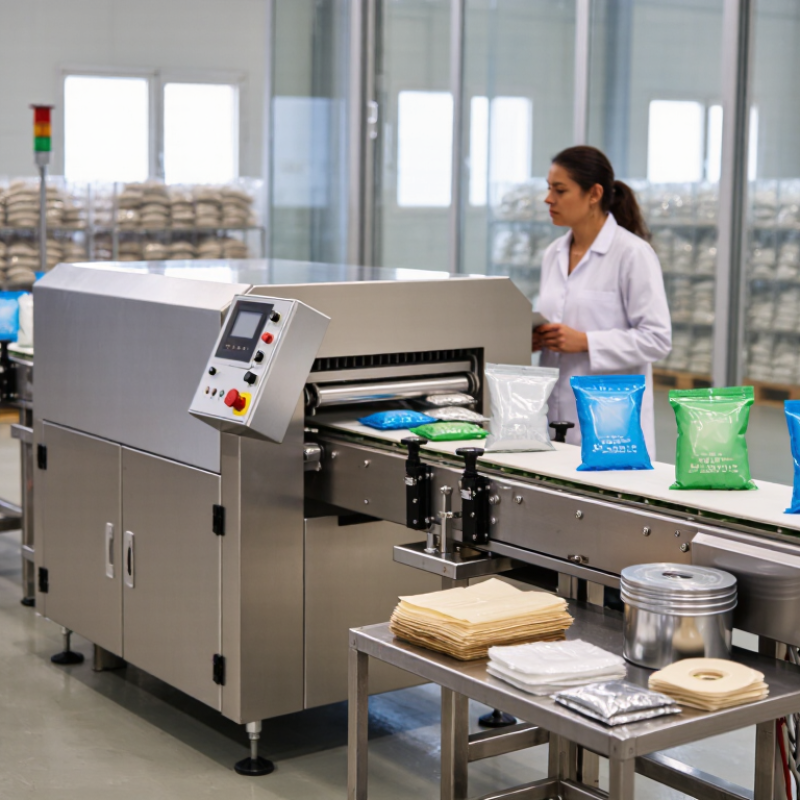
Why Choose a Chip Sealer for Global Packaging Needs?

What Is a Chip Sealer and How Does It Work?

A chip sealer closes flexible snack pouches with controlled heat and pressure. It seals the open film above the product, creating a tight, protective edge. The machine usually includes heated bars, a conveyor, temperature controls, and a timing system. Some models also print batch details during the sealing cycle.

The process is simple but precise. An operator places the filled pouch between the sealing jaws. Heat softens the inner film layer, while pressure joins the layers together. After cooling briefly, the seal becomes firm and resistant to ordinary handling. Correct temperature, pressure, and dwell time matter greatly. Too much heat can wrinkle or burn the film. Too little heat may create a weak channel.

Small details affect real production. Dusty seal areas can cause leaks, even when the machine appears calibrated. Operators should check seal width, pouch alignment, and temperature readings throughout a shift. A practical test involves gently pulling the sealed edge and inspecting it for gaps. Testing should follow the packaging material supplier’s guidance and local requirements. The method is dependable, but it is not flawless. Film thickness can vary between production batches, and settings may need adjustment. That limitation deserves attention before scaling packaging across different facilities.

Key Features That Support Global Packaging Requirements

A chip sealer supports global packaging needs through precise, adjustable sealing performance. Different countries may use different films, bag sizes, and production speeds. A reliable machine should offer adjustable temperature, conveyor speed, and sealing pressure. These controls help protect chips from moisture, air, and accidental leakage.

In practical production, stainless steel construction improves hygiene and cleaning efficiency. A clear control panel reduces training time for operators in different regions. Safety guards, emergency stops, and stable temperature sensors also support dependable daily use. Voltage compatibility matters too. Without it, installation can become unexpectedly difficult. However, no sealer performs perfectly with every packaging film. Testing remains essential.

Tips: Test several sample bags before full production. Check seal strength after cooling. Record temperature and speed settings. Keep spare heating elements available. Small adjustments often prevent large waste.

For global distribution, consistent sealing records can improve quality control and supplier communication. Batch coding options may help teams trace production details more accurately. Easy access to sealing belts and heating parts can shorten maintenance downtime. Some packaging lines need wider seals, while others require compact equipment for limited space. A careful evaluation should consider local power standards, operator skills, cleaning routines, and expected output. Real-world results depend on material quality and correct calibration, not only machine specifications.

Packaging Materials and Products Compatible with Chip Sealers

A chip sealer supports many packaging materials when its heat, pressure, and dwell time match the seal layer. Common options include polyethylene, polypropylene, and laminated plastic films. These materials can protect chips, crackers, dried fruit, coffee, and other dry products from moisture and air.

Foil-laminated films offer stronger light and oxygen protection. Paper bags with an inner plastic lining may also work, but the paper surface itself usually cannot form a dependable heat seal. Small pouches, flat bags, gusseted bags, and preformed sachets are practical formats. The product should stay below the sealing area. Crumbs and oil can create weak channels.

That detail matters.

Packaging teams should check film thickness, coating structure, and recommended sealing temperature before production. A thicker laminate may need more heat or longer contact time. Excessive heat can wrinkle the film, damage the lining, or distort printed areas. A clean, even seal is more valuable than a fast one.

Small tests help.

Operators can prepare several sample bags, adjust one setting at a time, and inspect the seal after cooling. Pull tests, leak checks, and short storage trials reveal problems that visual inspection misses. In global packaging work, local food-contact rules and recycling requirements also influence material selection. A film that performs well in one market may require review elsewhere. This is an area where assumptions often fail, so documented testing remains essential.

Why Choose a Chip Sealer for Global Packaging Needs? - Packaging Materials and Products Compatible with Chip Sealers

Packaging Material or Product Typical Structure or Format Chip Sealer Compatibility Typical Sealing Range* Suitable Applications Important Considerations
Polyethylene (PE) Bags LDPE or HDPE flexible film and pouches Excellent Approximately 120–180°C Potato chips, snack mixes, bakery items, frozen foods Use a clean, dry sealing area; excessive heat may shrink or distort the film.
Polypropylene (PP) Bags Cast or biaxially oriented polypropylene film Excellent Approximately 130–190°C Crisps, crackers, confectionery, dry snacks Good clarity and stiffness; confirm the film's heat-seal coating and seal initiation temperature.
Polyester-Laminated Pouches PET outer layer with PE or sealant inner layer Excellent, when the inner layer is heat-sealable Approximately 140–200°C Premium chips, nuts, coffee snacks, powdered foods PET itself is not normally the sealing layer; sealing occurs through the compatible inner coating.
Metallized Film Laminates Metallized PET or BOPP laminated to PE or another sealant layer Excellent, with a heat-sealable inner layer Approximately 140–200°C Light-sensitive snacks, chips, nuts, dry ingredients Improves light and gas barrier performance; avoid sealing through product residue or wrinkles.
Paper-Polymer Laminates Paper outer surface with PE or another sealant layer Good, if the polymer layer is exposed at the seal Approximately 130–190°C Dry snacks, bakery products, portion packs, specialty foods Paper alone is not heat-sealable; seal strength depends on the laminate construction.
Coated Aluminum Foil Pouches Aluminum foil laminated with PE, PP, or another sealant Good, with compatible sealing jaws and inner sealant Approximately 150–210°C High-barrier snacks, specialty powders, oxygen-sensitive products The foil is a barrier layer, not the primary sealant; verify heat distribution across the pouch opening.
Stand-Up Pouches Preformed mono-material or multilayer pouch with an open top Excellent for the open top edge Material-dependent, commonly 130–200°C Resealable snack packs, nuts, granola, pet treats The pouch must be held level so the zipper, spout, or gusset does not enter the seal zone.
Inner Liners and Poly Bags Loose PE or PP liner placed inside a paperboard or woven outer package Excellent Approximately 120–190°C Bulk chips, foodservice snacks, agricultural and industrial dry goods Seal the liner separately; do not allow the outer package material to interfere with the heated jaws.
Plastic Sachets and Small Pouches Small PE, PP, or laminated single-use packs Excellent Approximately 120–200°C Seasoning sachets, sample packs, snack portions, condiments Select a narrow or adjustable sealing width to match the pouch dimensions.
Products Requiring Gas-Flushed Packaging Flexible high-barrier pouch sealed after nitrogen or other approved gas flushing Compatible with suitable heat-sealing equipment Material-dependent; commonly 140–200°C Potato chips, extruded snacks, roasted nuts, fragile dry foods The sealer must create a consistent hermetic seal without collapsing the package or trapping product in the seal area.

*Temperature ranges are general starting points for common flexible packaging films. Actual settings depend on film thickness, sealant type, dwell time, pressure, machine design, and product contamination. Always validate seal strength and package integrity with the specific packaging material.

Benefits of Chip Sealers for International Packaging Operations

Chip sealers support international packaging operations by creating consistent, heat-closed bags for snacks and other dry foods. Smithers’ 2024 flexible-packaging forecast expects the sector to grow by roughly 3% annually through 2028. That growth increases pressure on packers to improve speed, hygiene, and seal reliability.

A suitable chip sealer can reduce manual closing work and help standardize production across different facilities. Adjustable temperature, dwell time, and conveyor speed support films with different thicknesses. This matters when export packaging changes between markets. PMMI’s packaging automation research identifies labor availability as a continuing investment driver. Sealing equipment can also limit moisture entry, preserving crisp texture during long transport. Still, a sealer is not magic. Poor film storage, dust, or uneven filling can create weak seals. Operators need documented checks, not assumptions.

Tips: Test every film and product combination before full production. Inspect seal width, strength, and appearance during each shift. Keep sealing surfaces clean and calibrated. The World Packaging Organisation highlights convenience, protection, and shelf life as major packaging priorities. Those goals sound simple, but real operations often miss one. Small temperature changes can matter. Local training also helps, especially when teams operate across several languages and facilities.

Factors to Consider When Selecting a Chip Sealer for Global Use

Why Choose a Chip Sealer for Global Packaging Needs?

Selecting a chip sealer for global use requires more than checking speed and price. Grand View Research valued the global flexible packaging market at approximately USD 268.9 billion in 2023. It also forecasts a 4.7% annual growth rate through 2030. This expansion increases pressure on consistent sealing across different films, climates, and production sites. A suitable machine should support adjustable temperature, pressure, and dwell time. These controls help prevent wrinkles, leaks, and crushed snack pieces.

Film compatibility deserves careful testing. Metallized polyester, polyethylene, and laminated structures can require different sealing windows. Dust from seasoning may also weaken the seal area. Operators should test seal strength using ASTM F88 methods and record results by batch. The machine should accept local voltage standards and display settings clearly. Metric temperature values are preferable for multinational teams. Small details matter.

Compliance can vary by destination. Packaging materials may need food-contact documentation under applicable local requirements. Hygienic design, cleanable surfaces, and traceable settings support safer production. PMMI’s packaging research repeatedly identifies labor availability and automation as major industry concerns. A sealer with recipe storage and fault alerts can reduce training time. However, automation is not a complete answer. A perfect factory trial can still mislead when humidity changes during shipping. Service access, spare-part availability, and language support should be checked before purchase. The lowest price may look efficient. It may not remain efficient.

FAQS

What is a chip sealer?

A chip sealer closes flexible snack pouches with controlled heat and pressure. It creates a tight protective edge above the product. The seal is not permanent against every condition.

How does a chip sealer work?

The operator places a filled pouch between heated sealing jaws. Heat softens the inner film layer. Pressure joins the layers. Brief cooling makes the edge firm.

Which packaging materials can a chip sealer handle?

Suitable materials include polyethylene, polypropylene, and laminated plastic films. Foil-laminated films provide stronger protection from light and oxygen. Paper bags usually need an inner plastic lining. Paper alone rarely seals reliably.

Which products work well with this equipment?

The equipment suits chips, crackers, dried fruit, coffee, and other dry products. Small pouches, flat bags, gusseted bags, and preformed sachets are practical formats. Keep the product below the sealing area.

What settings affect sealing quality?

Temperature, pressure, and dwell time strongly affect seal strength. Too much heat can wrinkle or damage the film. Too little heat may create a weak channel. A thicker laminate may need longer contact.

Why do sealed pouches sometimes leak?

Crumbs, oil, or seasoning dust can remain across the seal area. Film thickness may also vary between production batches. Misalignment can leave gaps near the pouch edge. The machine may appear calibrated, yet leakage still occurs.

How can operators check a pouch seal?

Inspect the seal width and alignment after cooling. Gently pull the sealed edge and look for gaps. Leak checks and short storage trials reveal hidden problems. Visual inspection alone is not enough.

What should teams consider for international production?

Teams should check local voltage, food-contact documentation, recycling requirements, and language support. The machine should display settings clearly and store useful recipes. Service access and spare parts also matter. A low purchase price may not stay economical.

Can one sealing recipe work everywhere?

Not always. Humidity, film structure, and transport conditions can change performance. A successful factory trial may fail during shipping. Teams should test each material and adjust one setting at a time. That extra work feels slow, but skipping it creates greater risk.

Conclusion

A Chip Sealer is a practical packaging machine designed to close bags and pouches by applying controlled heat and pressure to the opening. It supports efficient, consistent sealing for a wide range of packaging operations and can be configured with features such as adjustable temperature, sealing speed, sealing width, and conveyor integration. These functions help businesses maintain reliable packaging quality across different production environments and regional requirements.

Chip Sealers are compatible with many heat-sealable materials, including plastic films, laminated pouches, and coated packaging used for food, industrial goods, household products, and other legal consumer items. For international packaging operations, they can improve productivity, reduce product exposure, minimize material waste, and create a clean, secure seal suitable for transportation and storage. When selecting a Chip Sealer for global use, companies should evaluate packaging material compatibility, voltage and power requirements, machine capacity, sealing performance, ease of operation, maintenance needs, safety features, and adaptability to local production standards.


Isabella

Isabella

Isabella is a dedicated marketing professional with a sharp focus on driving brand growth and engagement through strategic content creation. With an extensive background in digital marketing, she combines her passion for storytelling with her keen understanding of industry trends to deliver......