Explore our industrial-grade road building machinery engineered for maximum field reliability and precise application control.
An In-Depth Engineering Benchmark on Fluid Dynamic Control, Thermal Heat Transfer, and OEM Manufacturing Dynamics
The global demand for reliable transportation infrastructure has propelled the Mechanical Bitumen Sprayer from a secondary paving accessory into a critical engineering system. In modern pavement maintenance—encompassing tack coats, prime coats, surface treatments, and slurry sealing—the binder application rate directly dictates structural durability. Inaccurate bitumen distribution leads to catastrophic pavement failures, including debonding, bleeding, cracking, and water infiltration.
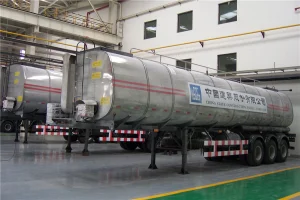
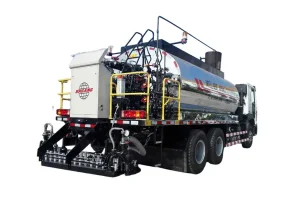
Historically, bitumen distributors relied on simple manual valves and uncalibrated direct-burn heating. Today’s industrial landscape demands extreme precision. Mechanical bitumen sprayers designed by leading OEM factories incorporate positive-displacement gear pumps, closed-loop thermal oil heating circuits, and pneumatic spray bar controls that synchronize liquid asphalt output with vehicle ground speed.
Across North America, Western Europe, and rapidly expanding markets in Southeast Asia, Africa, and Latin America, road authorities are enforcing strict asphalt binder distribution tolerances (typically within ±2% to ±3% of target kg/m²). This regulatory shift has driven civil contractors to seek specialized OEM Mechanical Bitumen Sprayer Manufacturers & Factories capable of delivering custom tank capacities (from 3,000L to 15,000L), dual-heating systems, and robust mechanical drives capable of handling modified bitumen (PMB) and high-viscosity rubberized asphalt.
Contractors prioritize equipment that minimizes thermal degradation of the binder, prevents nozzle clogging during cold starts, and offers low operational downtime in remote project sites.
Achieving a perfectly uniform spray fan requires balancing binder viscosity, pump discharge pressure, nozzle geometry, and spray bar height. Standard mechanical sprayers utilize a triple-overlap fan pattern. If the spray bar height fluctuates due to vehicle weight loss as bitumen is discharged, the overlap ratio breaks down, causing longitudinal streaking. Advanced OEM designs resolve this by utilizing automatic height-adjusting air springs or sensor-guided hydraulic suspension compensation, maintaining exact triple-overlap coverage regardless of tank payload.
How Academic Research and Industrial Infrastructure Create World-Class Machinery Cost Efficiencies
China’s road construction equipment manufacturing cluster leverages an unmatchable supply chain density. From specialized high-pressure asphalt gear pumps manufactured from wear-resistant alloy steel to automatic Italian-brand diesel burners (e.g., Riello or Baltur), Chinese OEM factories source premium components at highly competitive volume pricing, passing direct Total Cost of Ownership (TCO) savings to global buyers.
Leading OEM manufacturers, such as HEM Group, trace their technological foundations back to top-tier highway engineering institutions like Chang'an University. This academic lineage ensures that mechanical dynamics, engine power matching, hydraulic transmission heat dissipation, and digital electronic control systems are grounded in empirical road material science and severe field testing.
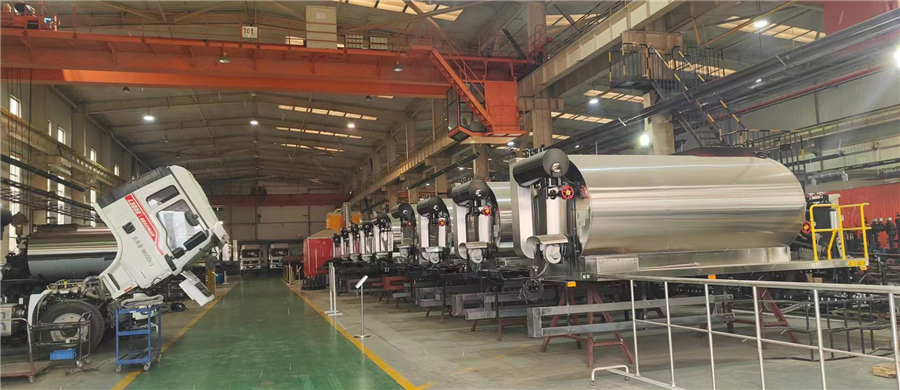
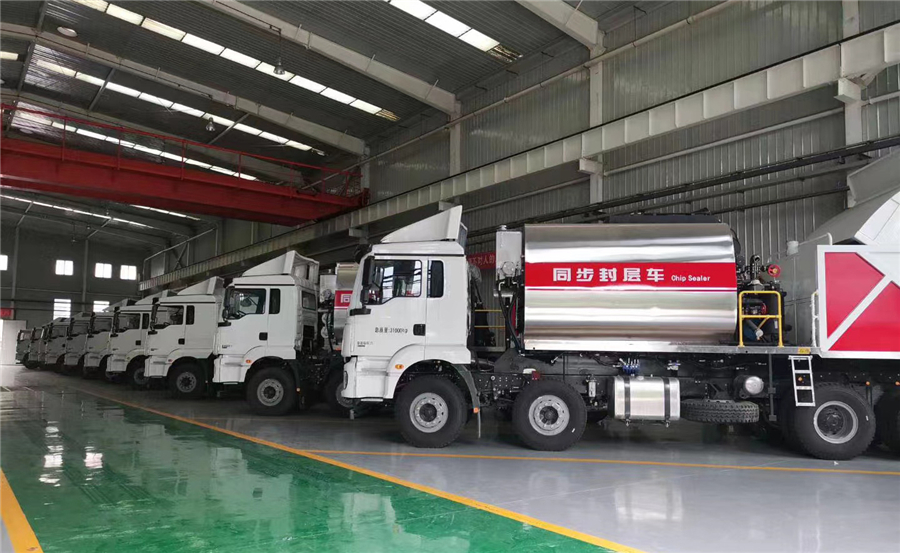
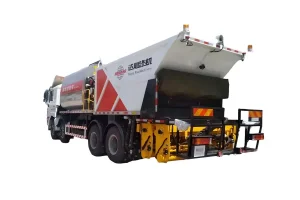
Unlike rigid off-the-shelf Western machinery options, OEM factories in China provide end-to-end custom design capabilities. Whether a buyer requires skid-mounted portable sprayers for urban patching, semi-trailer mounted high-volume long-distance distributors, or truck-mounted chassis integration (Sinotruk, FAW, ISUZU, MAN), OEM engineering teams configure auxiliary diesel engines, tank insulation thickness, and spray bar widths precisely to project specs.
A Granular Breakdown of Mechanical Engineering, Hydraulics, and Thermal Systems
Bitumen must be maintained at exact application temperatures (typically 140°C to 180°C for hot asphalt, and 60°C to 80°C for emulsified asphalt). Premium mechanical sprayers feature a dual heating layout: an automatic high-output diesel burner heating a fire tube within the tank, combined with thermal oil jacketing around the bitumen pump, filter, and spray bar. Thermal oil circulation prevents asphalt from cooling and clogging internal passages when the machine is paused, eliminating the need for high-risk torch manual heating.
The heart of the sprayer is a heavy-duty, self-priming rotary gear pump. Driven either by an independent auxiliary diesel engine via a manual clutch or by a proportional hydraulic motor linked to the chassis PTO (Power Take-Off), this pump delivers consistent volumetric flow. Precise machining tolerances prevent internal slip, allowing the system to pump low-viscosity emulsion as effectively as thick, polymer-modified bitumen (PMB).
The spray bar consists of individually controlled pneumatic spray nozzles spaced at standard 150mm intervals. High-performance OEM sprayers feature a folding hydraulic spray bar extending up to 6.0 meters in width. Operators can select individual nozzle combinations from the cab or rear platform. Specially designed brass or stainless-steel nozzle tips produce a clean, diamond-pattern spray fan without edge dripping or mist atomization drift.
For rubberized asphalt or modified binder formulations, continuous tank agitation is vital to prevent polymer phase separation. OEM mechanical sprayers incorporate heavy-duty internal paddle agitators or continuous high-volume pump recirculation loops. Furthermore, an integrated air-flush and diesel-cleaning circuit allows operators to purge the spray bar and lines within minutes after completing work, preventing hardened asphalt blockages.
Tailoring Bitumen Sprayer Specifications for Global Terrain and Climatic Operational Challenges
Regions: Southeast Asia, Central Africa, Amazon Basin
In humid, high-temperature regions, rapid moisture evaporation during prime coat application over granular sub-bases is critical. Mechanical bitumen sprayers deployed here require anti-corrosive tank coatings, high-efficiency cooling radiators for auxiliary engines, and specialized nozzles designed to spray high-penetration cutback bitumens without vapor lock.
Regions: Central Asia, Andean Plateau, Northern Europe
Operating in sub-zero or high-altitude environments (low oxygen) creates burner ignition issues and rapid bitumen heat loss. OEM factories equip high-altitude sprayers with turbocharged auxiliary engines, extra-thick rockwool tank insulation (up to 100mm), and high-capacity dual burners equipped with automatic altitude compensation controllers.
Regions: Middle East, North Africa, Outback Australia
Desert environments present extreme sand contamination risks. Mechanical sprayers operating in these zones are configured with multi-stage heavy-duty air filtration units for both main and auxiliary power plants, dust-sealed pneumatic control cabinets, and heavy-duty hydraulic oil coolers to prevent thermal shutdown under 50°C ambient temperatures.
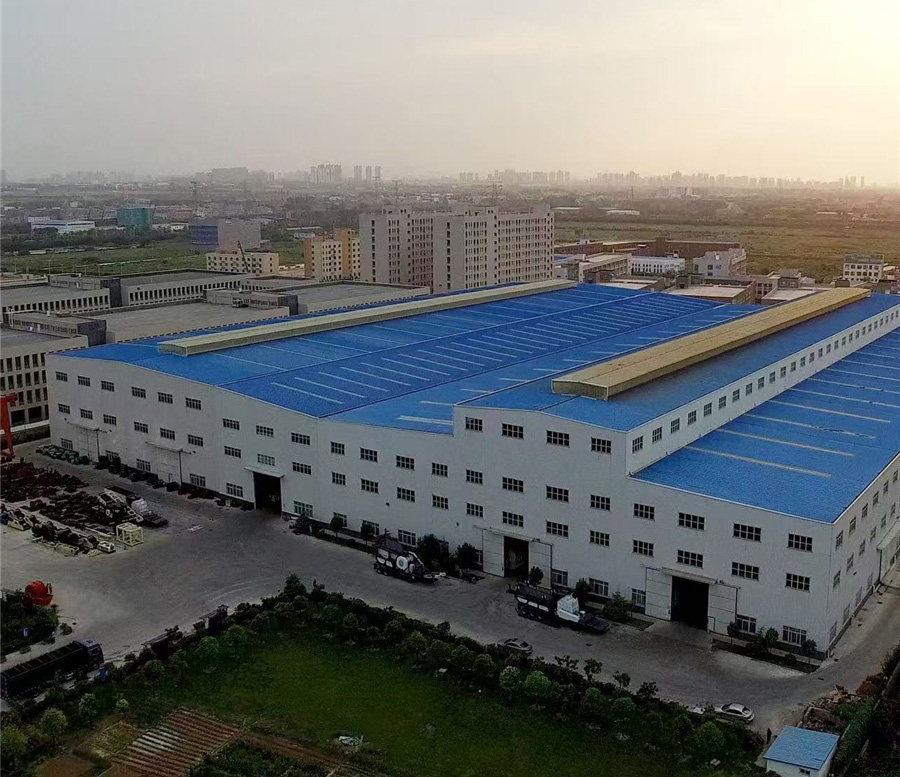
HEM Group was founded by a group of professors from Chang'an University and experts in the road building industry in 1998, originally named Xi'an Hongda Communications Technology Co., Ltd. It is the earliest high-tech enterprise that focuses on independent research and design of road construction equipment in China.
Since its inception, the company has adhered to the principle of being guided by high-tech research and development and aiming to create an international brand for Chinese construction machinery. We focus on the research and development of high-end road maintenance machinery products, and have obtained a series of invention patents and scientific research achievements in mechanical dynamics, engine power matching, hydraulic transmission technology, and digital electronic control technology. In 2006, we were recognized as a "High-tech Enterprise" by the Shaanxi Provincial Department of Science and Technology.
In 2017, to better strengthen international exchanges and trade, the company established a dedicated export sales entity, HME TOP Machinery Equipment Co., Ltd., which is mainly responsible for international technical exchanges, import and export trade of self-operated products, after-sales service, and global technical support.
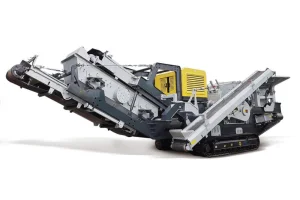
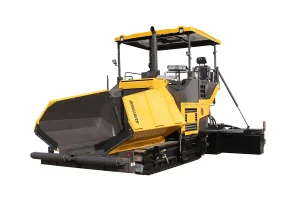
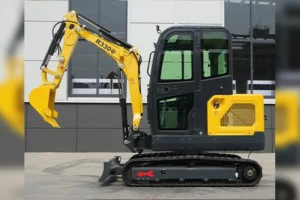
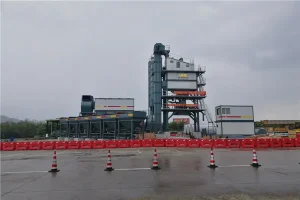
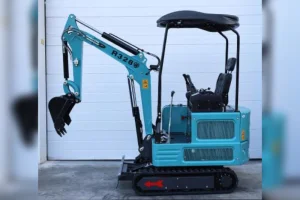
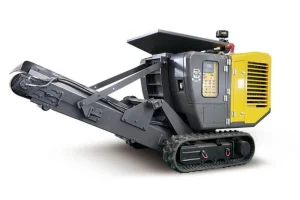
Today, we have developed a complete chain of road construction and maintenance machinery, providing global customers with one-stop solutions. Our core product lines include milling machines, asphalt distributors, asphalt pavers, chip sealers, slurry seal machines, road wideners, paver feeders, mobile crushers, jaw crushers & screening plants, as well as excavators, road rollers, and genuine OEM spare parts.
Proven Expertise, Global Reach, and End-to-End Service Support
Factory with more than 20 years of dedicated engineering experience in R&D, structural design, and machinery production.
Comprehensive technical guidance on road construction technology, asphalt emulsion formulation, and paving processes.
Tailor-made product engineering designs, chassis adaptation, tank sizing, and specialized accessory integration.
Round-the-clock online technical response, remote diagnostics, and prompt on-site technician deployment & operator training.
Established regional service hubs and dedicated teams across Russia, Malaysia, South Africa, Uzbekistan, Ghana, Kenya, Indonesia, and Sri Lanka.
Seamless handling of international export documentation, maritime logistics, customs clearance, and global certificate compliance.
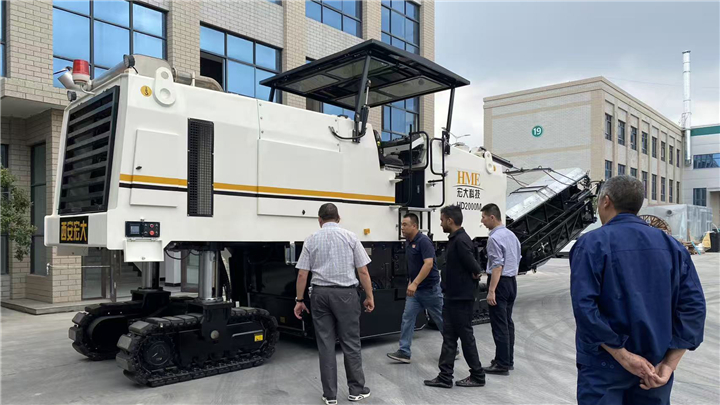
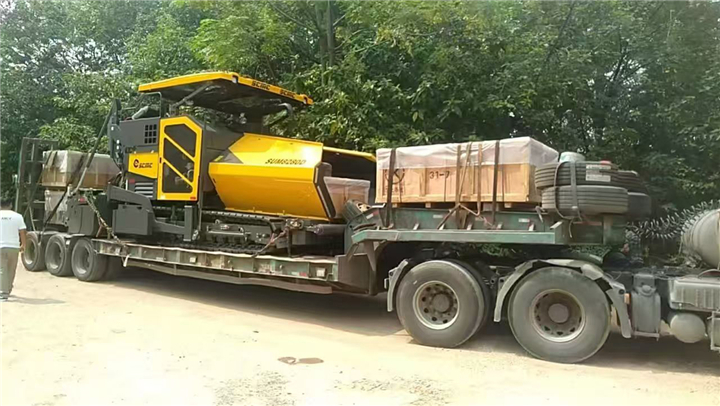
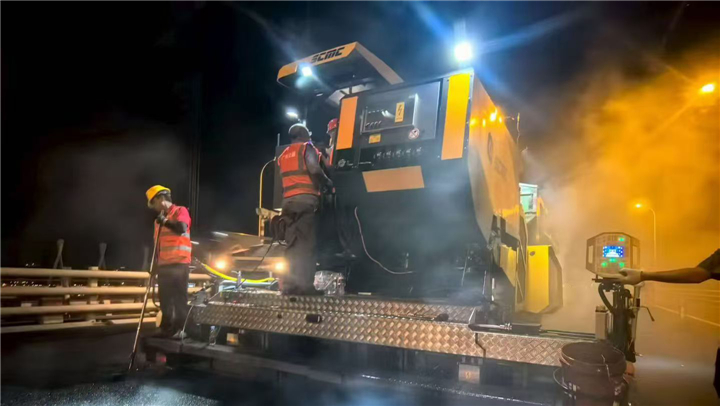
Our road machinery is relied upon by major construction conglomerates and municipal departments across more than 60 countries worldwide.






Key Procurement Considerations for Equipment Directors and Civil Engineering Procurement Officers
When evaluating mechanical bitumen sprayers, initial purchase price represents only 30% to 40% of overall lifecycle expenditure. Fuel consumption of the auxiliary engine, thermal efficiency of the burner system, gear pump seal longevity, and ease of component replacement dictate long-term profitability. High-efficiency heat exchangers designed by OEM manufacturers cut heating fuel consumption by up to 22% annually.
Cross-border equipment buyers must account for local highway axle load limits. OEM suppliers provide precise engineering calculations to balance payload distribution across front and rear axles. Tank volumes must be engineered in accordance with chassis GVWR (Gross Vehicle Weight Rating), preventing safety hazards during transit over steep terrain or unpaved roadbeds.
A major risk in international procurement is non-standard components. Reputable OEM factories utilize internationally recognized hydraulic fittings (ISO/DIN standard), standard pneumatic solenoid valves, and globally available diesel engine models (e.g., Cummins, Deutz, or WEICHAI), guaranteeing fast local procurement of wear parts.
Prior to factory dispatch, industrial sprayers must undergo rigorous static hydrostatic pressure tests, thermal burner testing to verify heating rates (typically 15°C to 20°C per hour rise), and spray pattern calibration using test oil to verify spray bar distribution uniformity.
The Convergence of IoT Telematics, Smart Metering, and Low-Carbon Heating Technologies
Next-generation mechanical sprayers are increasingly replacing traditional mechanical tachometer drives with Doppler radar ground speed sensors and GPS tracking. This ensures spray rate adjustments occur instantly within milliseconds of vehicle acceleration or deceleration, maintaining flawless spray density.
In response to global carbon reduction targets, OEM factories are pioneering hybrid and electric thermal storage heating units. Utilizing plug-in grid power overnight to pre-heat bitumen tanks eliminates diesel burner emissions while equipment is parked at asphalt batch plants.
Integrated IoT controllers automatically upload real-time application rates (kg/m²), bitumen temperature logs, total area sprayed, and GPS coverage maps directly to cloud platforms, giving highway authorities verifiable proof of quality compliance.
Technical and Commercial Solutions for Highway Contractors and Equipment Procurement Managers
A mechanical bitumen sprayer utilizes direct mechanical drives (such as auxiliary engines linked to gearboxes or hydraulic pumps) and operator-managed valve controls to regulate flow. While intelligent distributors use computerized closed-loop feedback systems with PLC touchscreens, modern OEM mechanical sprayers incorporate precision tachometers and flow regulators that achieve near-equivalent spraying accuracy at a significantly lower capital cost and with far simpler maintenance requirements.
Professional OEM manufacturers build Heat Transfer Oil (HTO) jacketed pump casings or integrate exhaust gas/diesel heating bypass loops around the bitumen pump and filter housing. Circulation of heated thermal oil before engaging the pump melts any residual solidified bitumen, preventing shaft shear or pump motor burnout.
Our machinery is engineered to handle hot straight-run asphalt cement (AC), cutback asphalt, emulsified asphalt (cationic and anionic), as well as polymer-modified bitumen (PMB) and crumb rubber asphalt. For high-viscosity modified binders, specialized high-torque hydraulic pumps and reinforced paddle agitators are installed.
Yes. As an OEM manufacturer, we supply detailed chassis mounting drawings and subframe adaptation kits compatible with major international truck chassis brands including SINOTRUK, FAW, SHACMAN, ISUZU, VOLVO, MAN, and MERCEDES-BENZ. Tank capacity, subframe width, and PTO connection points are tailored to your chassis blueprints.
Uniformity is achieved through engineered nozzle spacing (typically 150mm), precise nozzle orifice machining, maintained spray bar pressure, and calculated spray bar height. The nozzle spray patterns overlap in a triple-layer pattern, ensuring that every square meter of road receives identical binder density without striping.
Our machines feature a dual purge system. First, the bitumen pump is reversed to draw remaining asphalt back from the spray bar into the main tank. Second, a compressed air flush combined with a small volume of diesel solvent cleans the spray nozzles and pipe manifold, ensuring clean startup for the next workday.
We offer a 12-month or 2,000-operational-hour global warranty covering core components (pump, burner, hydraulic valves, engine). Spare parts packages are shipped with the machinery, and our global network of engineers provides remote video diagnostics or on-site commissioning and operator training.
Explore additional road engineering and earthmoving solutions engineered for performance and durability.
 HME Machinery