Direct OEM/ODM Supply from Leading Engineering Base in China with Global Certification Standards
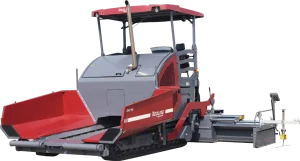
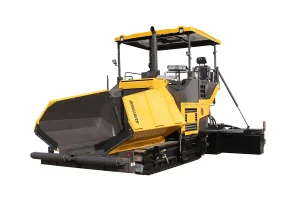
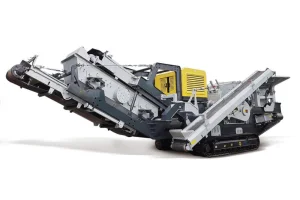
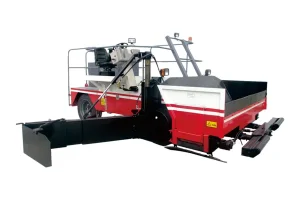
Analyzing Modern Polymer Formulations, Micro-Glass Bead Retroreflectivity, and Autonomous Application Mechanics
In contemporary civil engineering, facility management, and smart city infrastructure development, the search query "China Parking Line Marking Manufacturer & Suppliers" represents far more than a simple product transaction. Global procurement officers, municipal road authorities, and commercial contractors seek heavy-duty reliability, high line precision, mathematical spray consistency, and superior chemical formulation compatibility. Modern parking lots—ranging from multi-level underground commercial garages to heavy-duty industrial logistics hubs—demand specialized line marking machines capable of dispensing thermoplastic resins, cold-applied solvent or waterborne paints, two-component (MMA) polyurethanes, and anti-skid textured coatings.
The global traffic safety market has experienced a technical paradigm shift. Traditional hand-push painting rollers have been replaced by precision-engineered airless hydraulic sprayers and thermostatic melting extruders. Key technological vectors include:
Nighttime safety and autonomous vehicle camera visibility depend on retroreflection, measured in millicandelas per square meter per lux (mcd/m²/lx). Advanced Chinese parking line marking equipment incorporates synchronized glass bead pressure-drop dispensers. The bead applicator fires micro-spheres (conforming to BS EN 1436 and AASHTO M247 standards) directly into the wet binder at a specific velocity, embedding them at precisely 50-60% of their diameter. This geometry maximizes optical refraction, bouncing headlight illumination directly back to driver eye-levels and lidar perception sensors.
Unmatched Supply Chain Synergies, Rigorous Quality Control, and R&D Integration
China's industrial machinery clusters unify raw steel processing, high-pressure hydraulic hose fabrication, Honda/Yamaha engine sourcing, and digital micro-controller programming into localized geographic radii. This drops component sourcing lead times by up to 60%.
Chinese factories excel at custom chassis engineering. Whether clients require specialized double-line spray shoes, custom line width dies (5cm to 45cm), integrated screed heating boxes, or self-propelled ride-on attachments, OEM customization is available at minimal MOQ.
Leading manufacturers maintain close partnerships with university road engineering departments (such as Chang'an University), applying state-of-the-art fluid dynamics, hydraulic load balancing, and digital electronic metering directly into factory mass production lines.
Automated robotic welding, laser cutting, and standardized modular chassis assembly allow Chinese suppliers to offer enterprise-grade line marking equipment at 40% to 60% lower capital expenditure than European or North American alternatives.
Tailored Line Stripping Configurations for Diverse Concrete, Asphalt, and Resin Surfaces
Enclosed subterranean garages feature smooth epoxy-coated or polyurethane floors requiring fast-drying paints with ultra-strong chemical adhesion. Chinese cold-spray airless units with high-atomization tungsten carbide nozzles deliver crisp 10cm stall lines, arrow symbols, and directional pathways without toxic paint mist accumulation.
Industrial distribution centers experience constant wheel-friction from heavy semi-trucks and forklifts. Chinese manufacturers supply heavy-duty thermoplastic screed stripers that lay thick, high-durability lines resistant to tire tearing, hydraulic oil spills, and high static compressive stress.
Street-level curbside parking lines require high nighttime retroreflection and anti-skid performance to prevent motorcycle and pedestrian slipping. Integrated Chinese marking systems combine automatic glass bead drop-dispensing with profiled rumble-line mechanisms for audible driver alerts.
Runway taxiway striping and container yard grid markings demand massive daily throughput. Ride-on dual-gun cold spray machines equipped with computerized line-distance counters allow operators to mark miles of lines per day with millimeter accuracy.
Founded in 1998 by a distinguished group of professors from Chang'an University and senior road construction industry experts, HEM Group (originally Xi'an Hongda Communications Technology Co., Ltd.) stands as China's pioneer in high-tech road building, maintenance, and marking machinery.
Over two decades of rigorous engineering research have produced numerous breakthrough patents in mechanical dynamics, engine power matching, hydraulic transmission technology, and digital electronic control systems. Recognized as a "High-Tech Enterprise" by the Shaanxi Provincial Department of Science and Technology, the group established HME TOP Machinery Equipment Co., Ltd. in 2017 to handle global technical exchanges, export operations, and worldwide technical assistance.
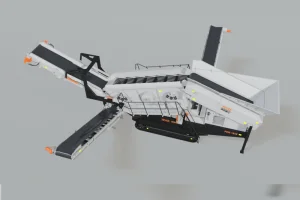
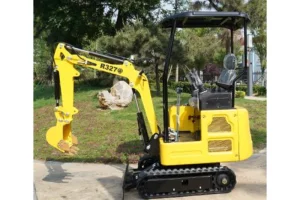
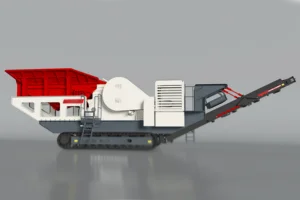
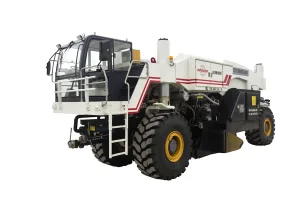
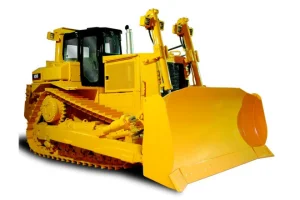
Today, HEM Group delivers a comprehensive, end-to-end machinery ecosystem—from milling machines, asphalt pavers, and chip sealers to specialized line marking units, mini excavators, mobile jaw crushers, and aggregate screening plants.
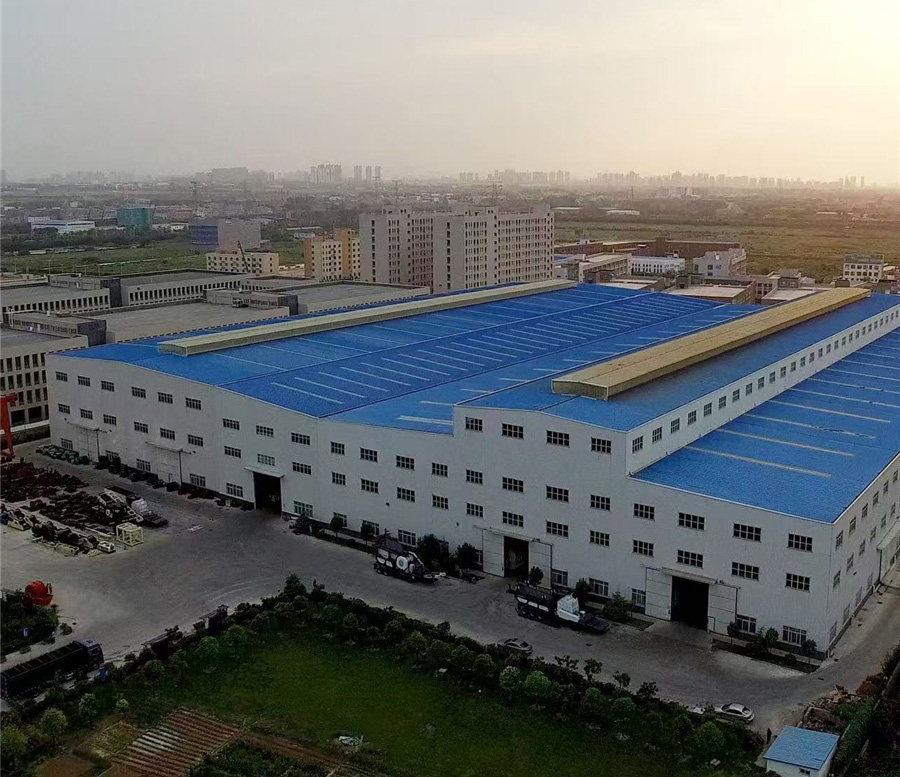
Originated from Chang'an University's premier Highway Engineering Department, embedding theoretical dynamics into rugged machine design.
Dedicated technical service hubs and spare parts warehouses operating across Russia, Malaysia, South Africa, Uzbekistan, Ghana, Kenya, Indonesia, and Sri Lanka.
Machines deployed across India, Sri Lanka, Indonesia, Nigeria, South Africa, Eritrea, Mozambique, Congo, Australia, Fiji, Bolivia, and beyond.
On-site installation, operational crew training, rapid parts supply, and zero-downtime remote diagnostics.
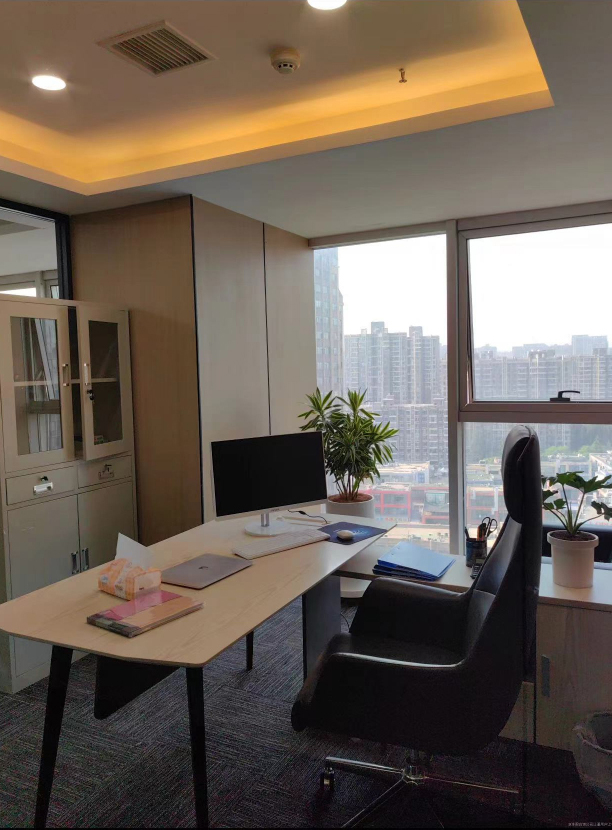
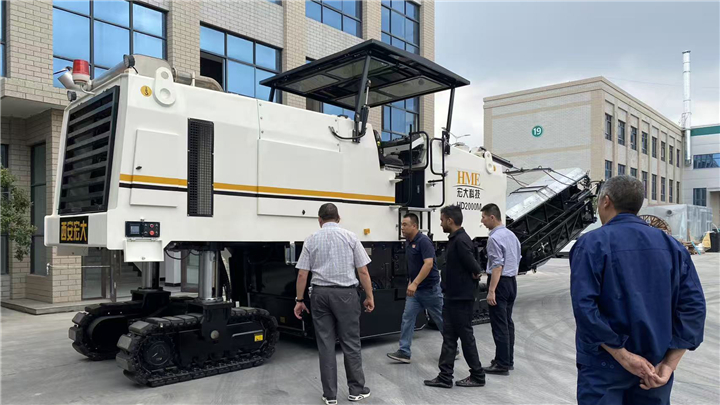
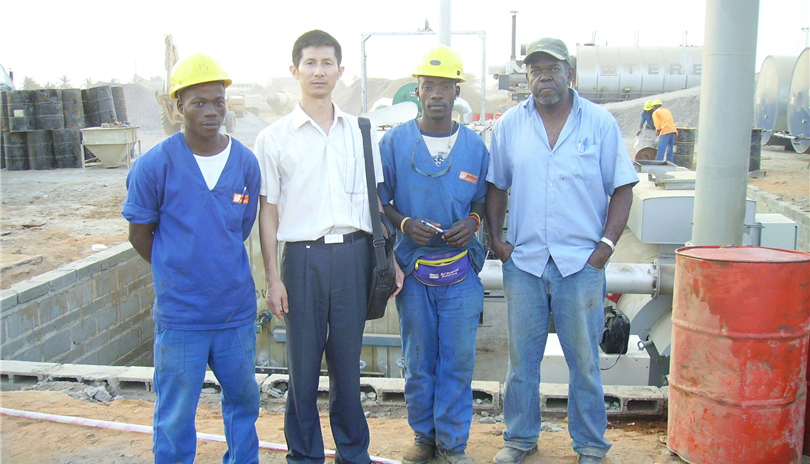
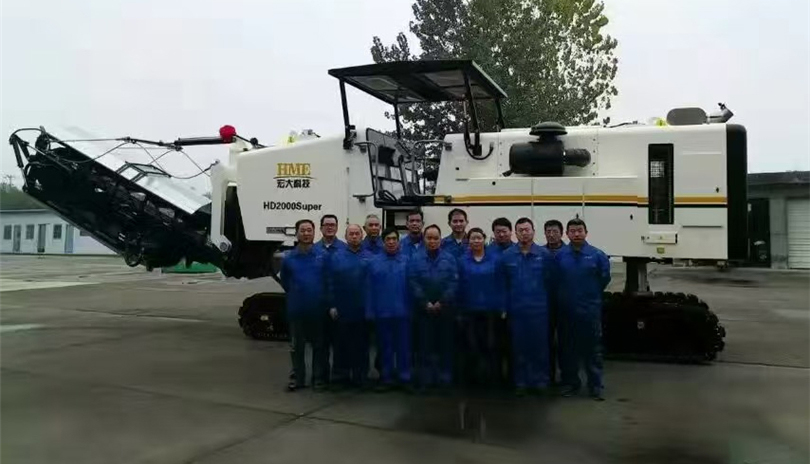
Collaborating with International Road Contractors, Municipal Authorities, and Mining Enterprises
Integrated Machinery for Road Building, Maintenance, Excavation, and Crushing
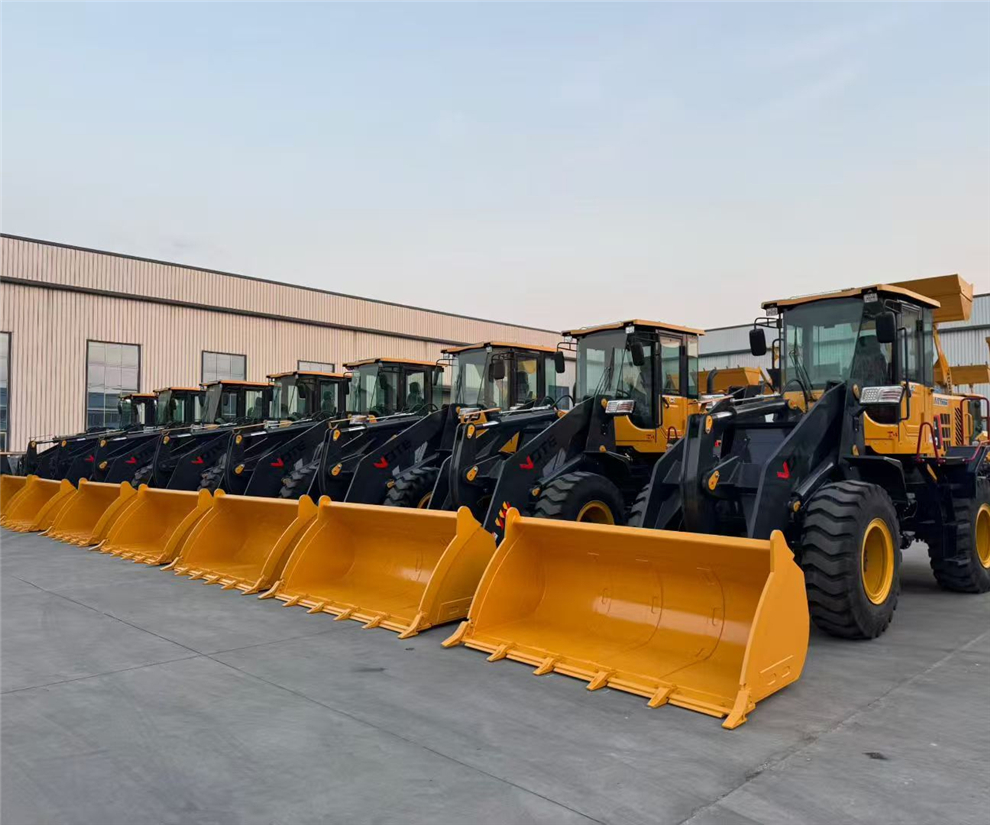
Wheel loaders, backhoe loaders, mini excavators, and walking excavators engineered for severe bridge, tunnel, and parking deck site preparation.
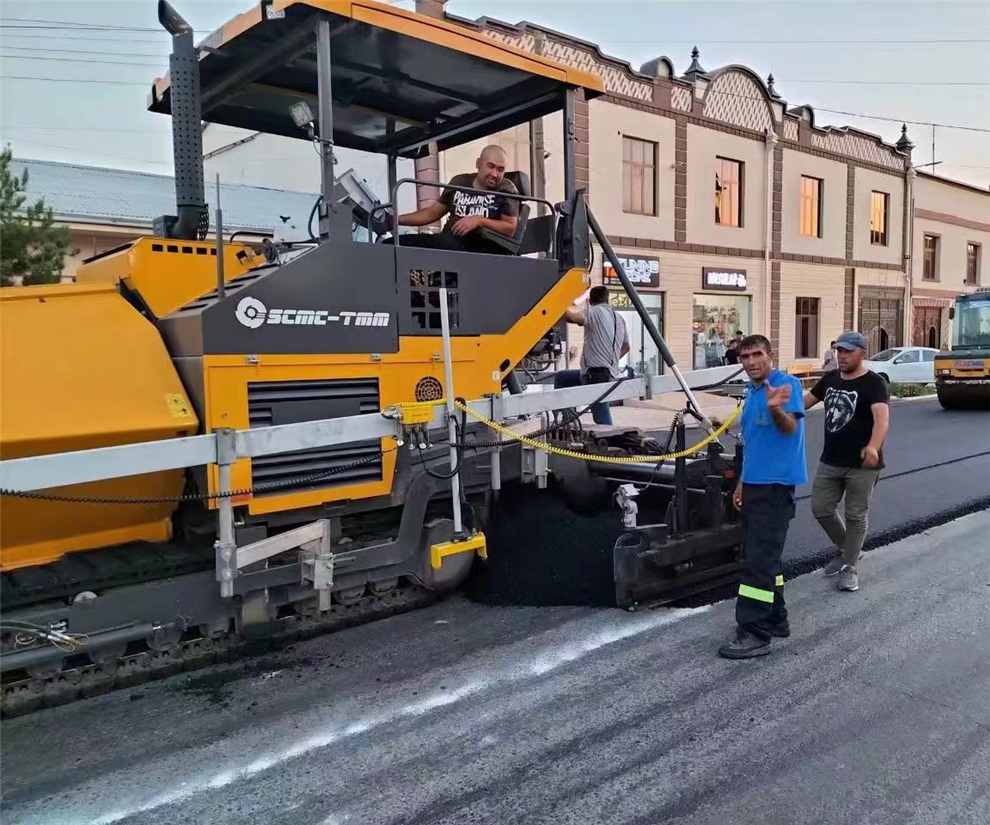
Asphalt mixing plants, pavers, chip sealers, road wideners, bitumen distributors, and slip-form concrete striping pavers.
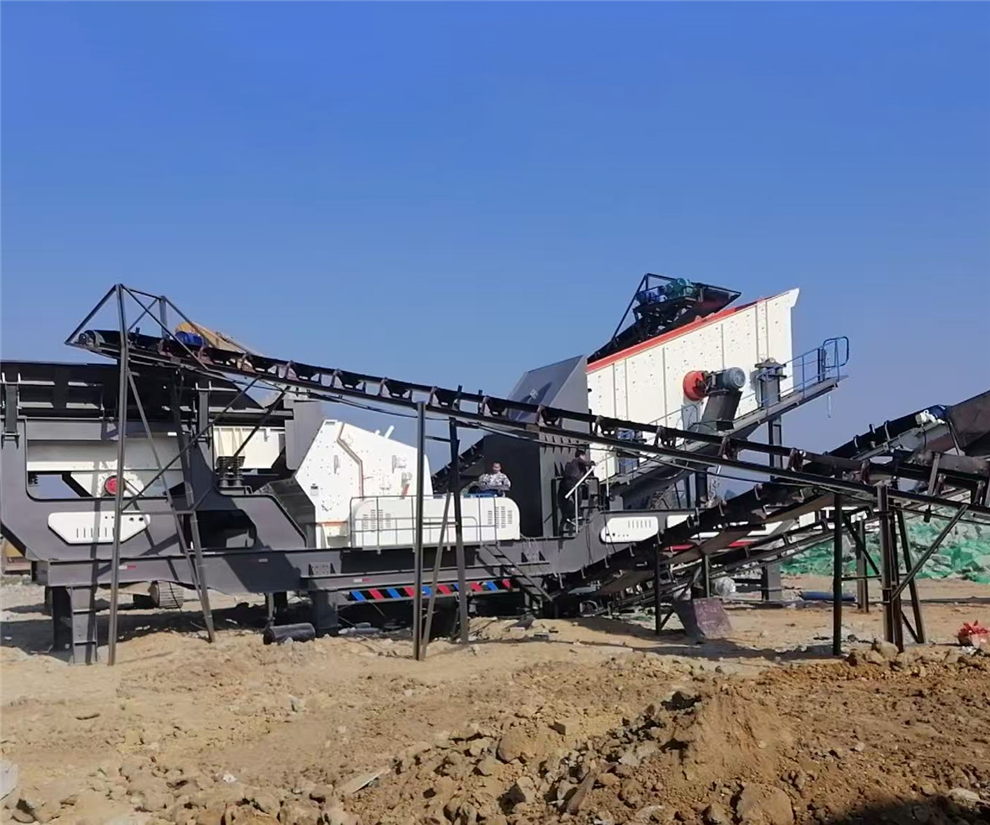
Mobile primary jaw crushers, mobile vibrating screening plants, and heavy-duty impactors for recycled concrete base materials.
Addressing Core Procurement Intent, Operational Parameters, and Equipment Maintenance
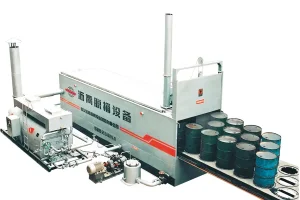
Thermoplastic machines require integrated liquefied petroleum gas (LPG) heating jackets and agitating kettles to melt dry resin powder into liquid at 180-220°C before extruding or screeding lines. Cold spray machines use high-pressure hydraulic pumps (airless technology) to atomize pre-mixed liquid paints (waterborne, acrylic, or solvent) at ambient room temperature directly onto the pavement.
Leading Chinese line marking machines utilize pressurized glass bead dispensers driven by pneumatic or direct chain-link drives linked to machine travel speed. This synchronizes the bead drop rate precisely (typically 180-300 grams per square meter), ensuring beads embed to exactly 50-60% depth into the stripe, satisfying BS EN 1436 and ASTM D4061 requirements.
Yes. Machines come with adjustable screed dies or gun mounting bars capable of producing line widths from 50mm up to 450mm. Dual-gun configurations allow simultaneous double-line painting (e.g., centerlines or boundary borders) with variable spacing adjustment.
Hand-push units are ideal for tight parking stalls and sharp corners in indoor garages. Self-propelled units utilize small gasoline or diesel engines coupled with hydrostatic drives to maintain constant speed on inclines. Ride-on sulky attachments or fully integrated ride-on rigs are deployed for long-distance highway and airport runway applications.
Buyers can customize engine brands (e.g., Honda GX series, Briggs & Stratton, Kohler), hydraulic pump flow rates, paint tank capacities (from 30L to 500L), laser pointer guide assemblies, glass bead hopper capacities, micro-computer line distance controllers, and custom brand color paint finishes.
Thermoplastic striping requires road surface temperatures above 10°C and low humidity to prevent premature thermal shock and flaking. For smooth concrete garage floors, applying a specialized primer coating before thermoplastic laying is critical to guarantee bonding strength exceeding 1.5 MPa.
Direct Procurement from China's Premier Engineering Supplier
 HME Machinery