Heavy-duty engineering solutions built for high-performance Cape Seal applications, bitumen processing, and structural paving.
Understanding the hybrid synergy between Synchronized Chip Sealing and Micro-Surfacing for optimized pavement preservation.
A Cape Seal represents one of the most cost-effective, high-performance surface preservation technologies in modern civil highway engineering. Structurally defined, a Cape Seal consists of a single-layer chip seal (application of polymer-modified asphalt emulsion followed by uniformly graded aggregate chips) covered by a slurry seal or micro-surfacing layer. This hybrid design creates a dense, smooth, durable wearing surface that combines the crack-mitigating elasticity of chip seals with the structural cohesion, skid resistance, and quiet ride quality of micro-surfacing.
The success of an OEM Cape Seal deployment depends heavily on chemical compatibility between bitumen emulsions and mineral aggregates, as well as exact mechanical placement. The baseline chip seal provides mechanical stress-absorbing membrane performance (SAMI), preventing reflective cracking from migrating to the surface. The subsequent slurry or micro-surfacing layer fills the void matrix between the aggregate chips, forming a interlocking mechanical matrix that eliminates tire noise and loose stone risk.
State-of-the-art road maintenance machinery required to deliver consistent, spec-compliant Cape Seal projects.
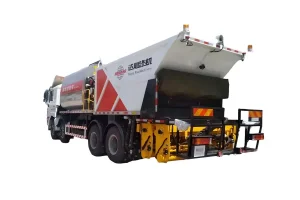
Combines bitumen spraying and aggregate spreading on a single chassis controlled by real-time computer automation. Ensures instant bond between binder and aggregate chips, preventing emulsion cooling before aggregate embedment.
Equipped with continuous-mixing pugmills, dual-shaft agitators, and automatic chemical additive dosing systems to apply polymer-modified micro-surfacing continuously over the cured chip seal substrate.
Feature precision spray bars with independent nozzle control, radar speed sensors, and thermal management systems to ensure uniform binder application rates (liters/m²) accurate within ±1% across varying truck speeds.
| Equipment Type | Key OEM Feature | Application Rate Precision | Target Project Scope |
|---|---|---|---|
| Synchronized Chip Sealer | Dual-servo CAN-bus digital metering | ± 0.02 L/m² Bitumen / ± 2% Aggregate | Highways, Arterial Corridors |
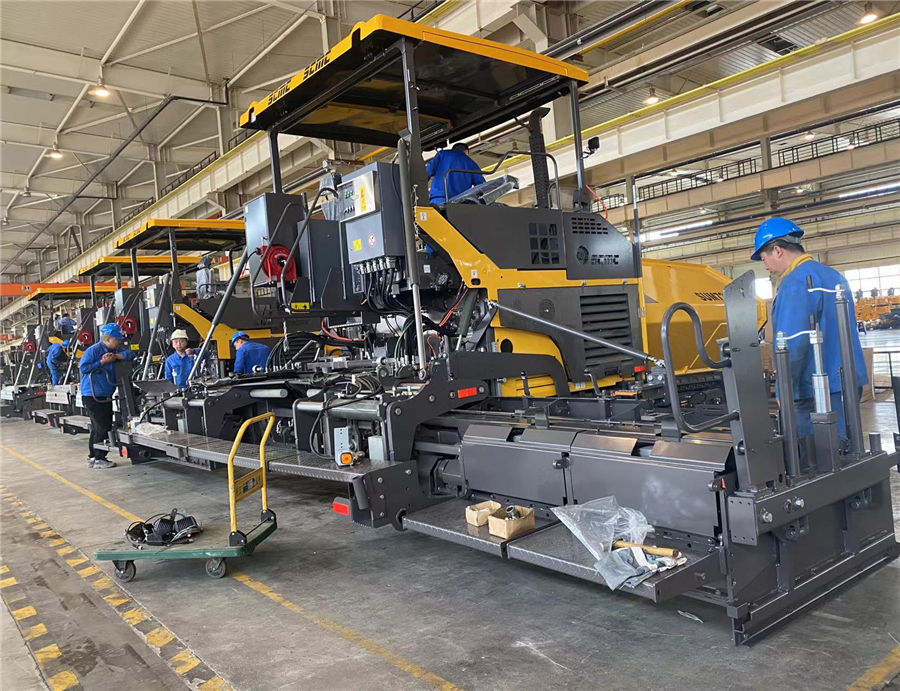
| Micro-Surfacing Paver | Variable width hydraulic screed with double agitator | Continuous mixing 1.5 - 3.5 t/min | Urban Roads, Heavy Freight Lanes |
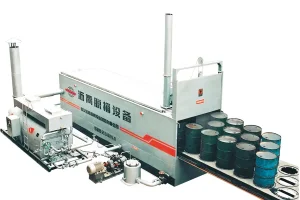
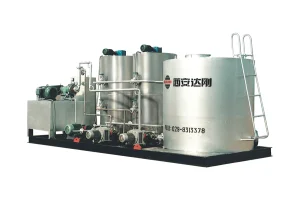
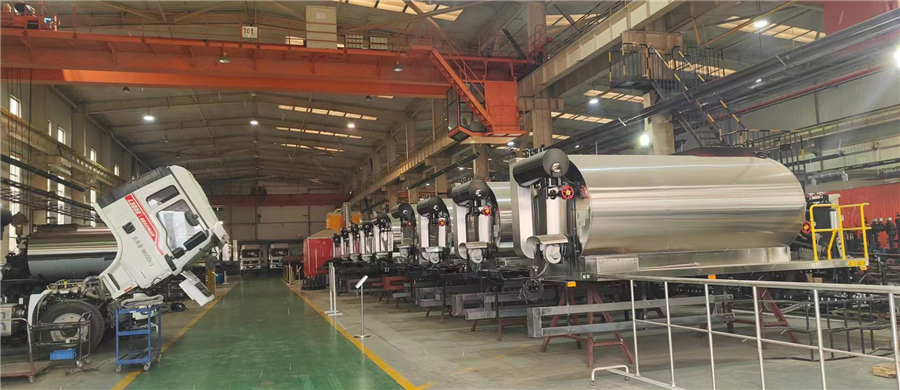
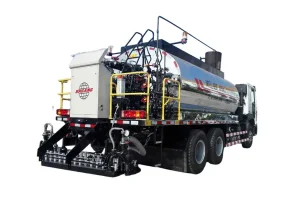
| Intelligent Bitumen Tanker | Thermal oil heating system & high-viscosity pumps | Integrated radar matching flow rate | Intercity Pavement Preservation |
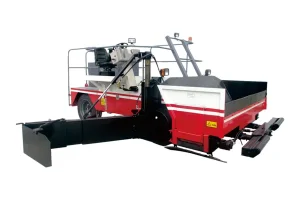
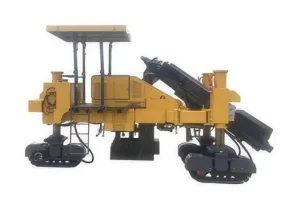
| Road Widener / Shoulder Paver | Telescopic conveyor belt with adjustable strike-off | Width variable from 0.5m to 3.0m | Subgrade & Shoulder Cape Seal Extensions |
Engineering customized Cape Seal solutions tailored to regional climates, subgrade conditions, and traffic load dynamics.
Designed for regions with high solar radiation and extreme thermal cycling (e.g., Middle East, Sub-Saharan Africa). Utilizing high-softening-point SBS polymer-modified emulsions to prevent bleeding and surface tracking up to 70°C surface temperature.
Formulated for northern latitudes experiencing deep frost penetration. Flexible rapid-setting cationic emulsions (CMRS-2h) combined with high-durability basalt aggregates prevent moisture damage and strip resistance caused by de-icing salts.
Engineered for routes with high ESAL (Equivalent Single Axle Load) counts. Utilizes a double-chip seal base followed by a fiber-reinforced micro-surfacing layer to maximize shear strength and structural rut-filling capabilities.
Leveraging 20+ years of Chang'an University academic roots and integrated manufacturing ecosystems.
Founded in 1998 by Chang'an University professors, leading Chinese road machinery innovations with dozens of patents in hydraulic dynamics and digital electronic controls.
100% in-house design and fabrication of core hydraulic manifolds, electrical ECU units, and wear-resistant mixing paddles ensuring long-term spare parts availability.
Every Cape Seal equipment unit undergoes 72 hours of continuous hydraulic stress testing and digital calibration before international shipment, adhering to ISO9001 and CE directives.
Direct supply networks and field service engineers active across Russia, Malaysia, South Africa, Ghana, Kenya, Indonesia, Sri Lanka, and Latin America.
Evaluating economic efficiency, carbon emission reductions, and municipal asset management strategies.
Global transportation departments and private toll road concessions face increasing budget constraints and carbon reduction targets. Traditional reactive maintenance—such as milling and HMA repaving—is increasingly economically unviable for routine surface degradation. Cape Seal applications provide a sustainable alternative aligned with Pavement Preservation Systems (PPS) guidelines.
| Preservation Method | Initial Capital Cost ($/m²) | Expected Lifespan | Embodied Carbon Footprint | Traffic Disruption Time |
|---|---|---|---|---|
| Hot-Mix Asphalt (50mm Overlay) | $18.00 - $25.00 | 12 - 15 Years | High (165°C mixing temp) | 12 - 24 Hours |
| Standard Single Chip Seal | $2.50 - $4.00 | 4 - 6 Years | Very Low (Ambient cold emulsion) | 2 - 4 Hours |
| OEM Cape Seal System | $6.50 - $9.50 | 10 - 14 Years | Low (Cold mix micro-surfacing) | 1 - 3 Hours |
By replacing hot-mix overlays with cold-applied OEM Cape Seal technology, highway authorities reduce total life-cycle greenhouse gas emissions by over 60%, while enabling rapid traffic re-opening within two hours of application.
Pioneering the next generation of intelligent, automated, and zero-carbon pavement maintenance machinery.
Integrating 3D LiDAR surface profiling and GPS-guided autonomous steering to dynamically adjust bitumen emulsion flow and aggregate spread rates per square millimeter in real time.
Developing advanced pump and emulsification systems optimized for 100% bio-based lignin binders and recycled crumb rubber emulsions without risk of pump clogging or phase separation.
Cloud-connected telemetry standard on all OEM units, giving project managers remote real-time metrics on material consumption, batch consistency, GPS tracking, and preventive maintenance alerts.
Engineering excellence since 1998 — Pioneer of Chinese road construction and maintenance machinery.
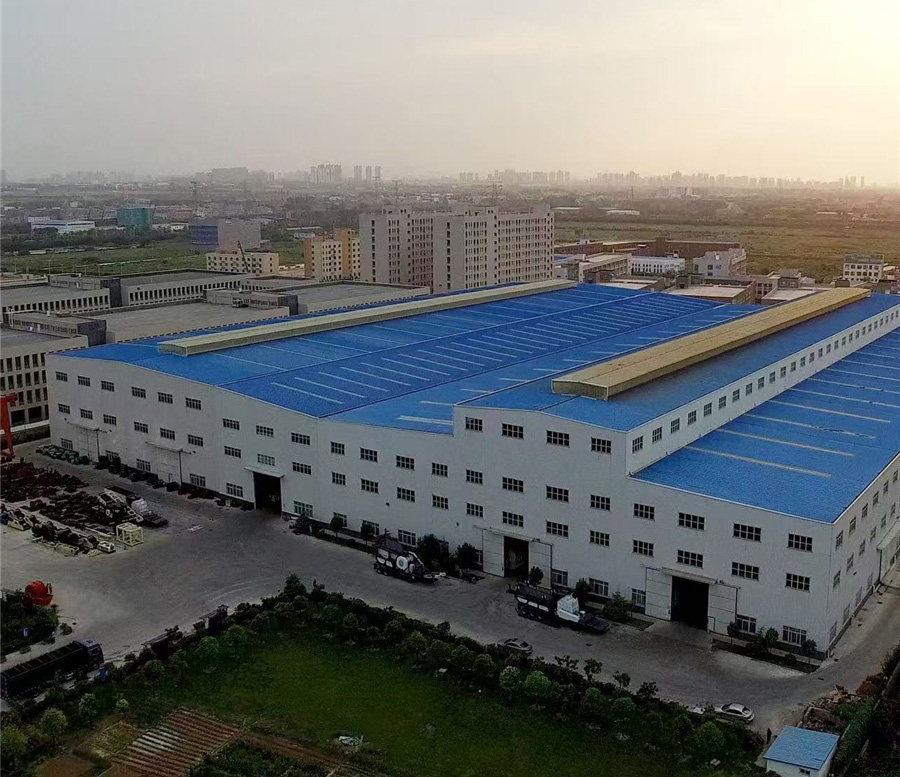
HEM Group was founded by a group of professors from Chang'an University and experts in the road building industry in 1998 (originally Xi'an Hongda Communications Technology Co., Ltd.). It represents the earliest high-tech enterprise focusing on independent research and design of road construction machinery in China.
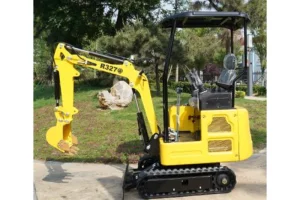
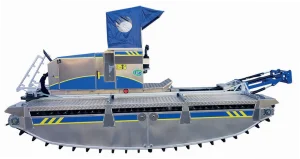
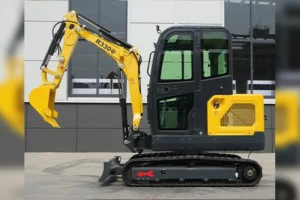
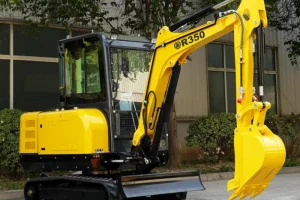
In 2017, HME TOP Machinery Equipment Co., Ltd. was established to handle global exports, technical exchanges, and international customer support. Today, our product portfolio spans road milling machines, asphalt distributors, pavers, chip sealers, slurry seal pavers, road wideners, excavators, and crushing plants.


In-depth technical answers addressing engineering specification, field operation, and machinery selection.
A Chip Seal consists solely of an asphalt binder spray followed by aggregate chips rolled into the binder. While effective for sealing cracks, chip seals leave a rough texture prone to tire noise and loose stone shedding. A Cape Seal applies a secondary layer of slurry seal or micro-surfacing on top of the cured chip seal. The slurry matrix fills the aggregate voids, locking down loose stones and creating a smooth, quiet, impervious wearing surface equal in texture to hot-mix asphalt.
Field specifications generally require the base chip seal to cure for 48 hours to 14 days under ambient traffic depending on binder type (rapid-setting cationic vs. polymer modified) and environmental humidity. However, with synchronized machinery and fast-breaking polymer modified emulsions (PME), the curing window can be reduced to as little as 24 hours without binder displacement.
HEM Group offers over 20 years of dedicated engineering backed by Chang'an University highway engineering research. As a direct OEM manufacturer, we control every subsystem—from CAN-bus digital controllers to high-viscosity asphalt pumps. This ensures end-to-end quality control, competitive factory-direct pricing, custom hydraulic configurations, and guaranteed long-term spare parts supply without agent markups.
In accordance with ISSA A143 and ASTM D6372 standards, polymer-modified cationic emulsified asphalts such as CQS-1hP or LMCQS-1h (Latex-Modified Cationic Quick-Set) are recommended for the slurry/micro-surfacing top layer, while CRS-2P (Cationic Rapid Set Polymer Modified) is optimal for the chip seal base.
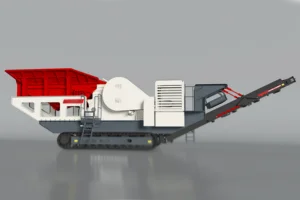
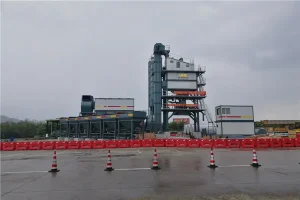
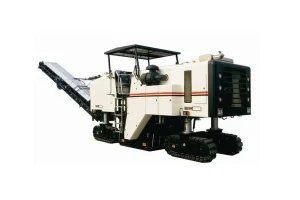
Complete heavy machinery portfolio supporting global infrastructure projects from subgrade preparation to final surface sealing.
 HME Machinery