 HME Machinery
Directly manufactured solutions designed for extreme thermal consistency, uniform bitumen spraying, and heavy-duty highway infrastructure engineering.
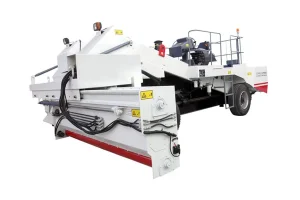
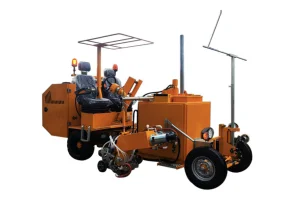
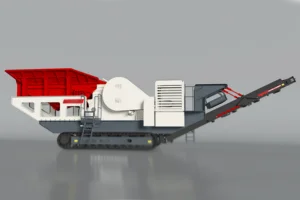
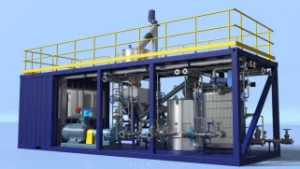

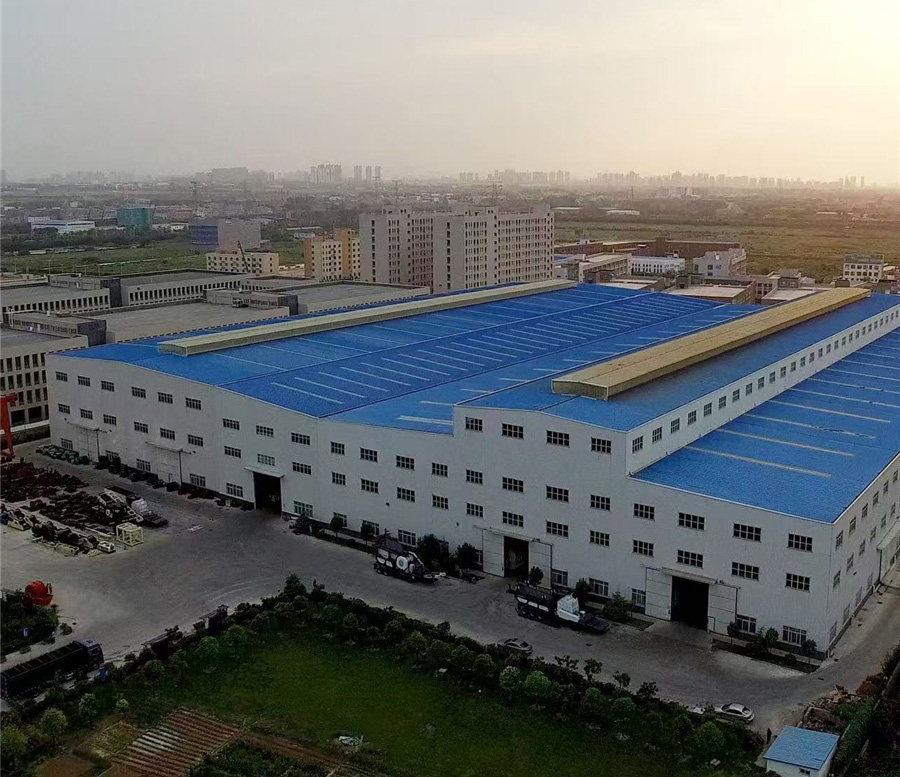
Established by Chang'an University professors and highway technology specialists in 1998, pioneering computer-controlled asphalt spraying and synchronized paving machinery across six continents.
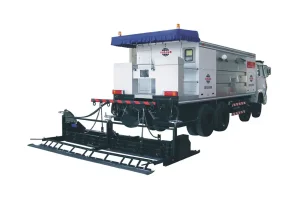
In modern asphalt pavement engineering, the structural durability of highways, airport taxiways, and municipal thoroughfares relies heavily on the bond quality between granular aggregate bases and asphalt layers. An Acmar Sprayer (commonly designated as an intelligent bitumen distributor, asphalt pressure distributor, or tack coat sprayer) functions as the core industrial unit responsible for applying precise quantities of hot liquid asphalt, emulsified bitumen, or polymer-modified asphalt (PMA) onto roadbeds before paving operations begin.
Achieving structural longevity requires an unwavering level of spraying accuracy, thermal preservation, and volumetric flow dynamic balance. A variation of even 0.05 kilograms per square meter ($kg/m^2$) in tack coat density can induce delamination, premature fatigue cracking, or slippage under heavy traffic loading. Leading Acmar sprayer manufacturers and factories in China—spearheaded by engineering enterprises such as HEM Group—have transformed traditional manual valve distributors into fully automated, PLC-controlled micro-metering systems capable of real-time compensation based on vehicle speed, oil viscosity, and environmental conditions.
Unlike conventional asphalt sprayers that rely on fixed engine RPMs and manual valve levers, advanced Chinese-manufactured Acmar sprayers utilize closed-loop hydraulic feedback systems paired with high-precision radar speed sensors. When the distributor truck accelerates or decelerates, the central digital controller dynamically adjusts hydraulic pump displacement within milliseconds, ensuring exact binder distribution across varying travel speeds.
Equipped with custom pneumatic spray nozzles positioned at calibrated angles (typically 15° to 30°), the spray bar generates a seamless triple-overlap fan pattern. This structural alignment eliminates streak formation, shadow spots, and un-coated strips during high-speed applications.
Featuring dual diesel burners paired with thermal heat-transfer oil circulating lines throughout the tank walls, spray bar, and asphalt pump. This design prevents thermal shock, eliminates asphalt clogging inside valves, and maintains binder operating temperatures up to 200°C.
An integrated touchscreen terminal located inside the cab allows operators to select preset bitumen application rates ($0.2kg/m^2$ to $3.0kg/m^2$), adjust active spray widths in 200mm increments, and monitor real-time tank volumes via high-accuracy radar level sensors.
The demand for high-capacity, heavy-duty asphalt sprayers has experienced rapid growth across emerging economies and developed industrial nations alike. Infrastructure modernization initiatives in Southeast Asia, Sub-Saharan Africa, Latin America, and Central Asia require robust road construction machinery capable of enduring continuous operation under hostile ambient temperatures and demanding terrain conditions.
Engineering buyers prioritize five crucial factors when procuring Acmar sprayers on an international scale:
Combining rigorous academic research in road mechanics with industrial-scale manufacturing supply chains to deliver uncompromised quality.
China's road construction machinery sector has undergone a massive transformation over the past two decades. Fueled by the construction of over 177,000 kilometers of national expressways within China, domestic OEMs have refined their structural designs, hydraulic efficiency, and electronic control reliability to meet rigorous engineering standards.
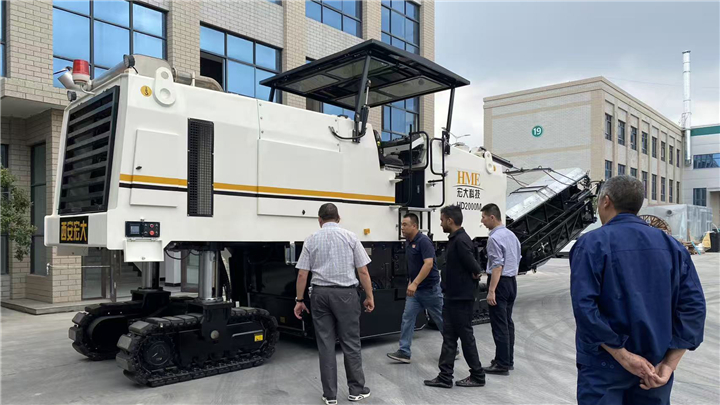
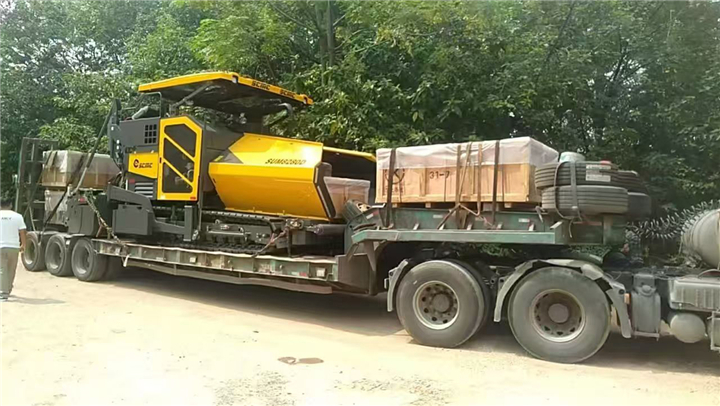
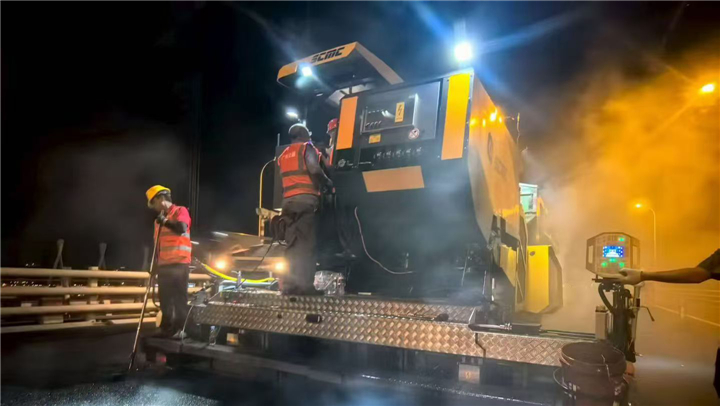

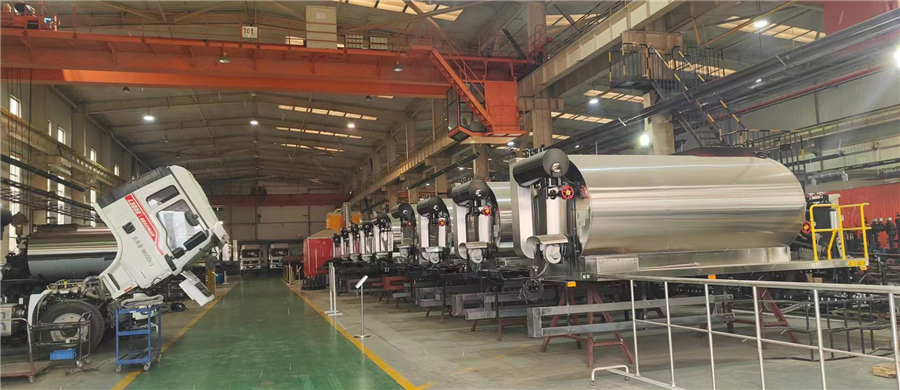
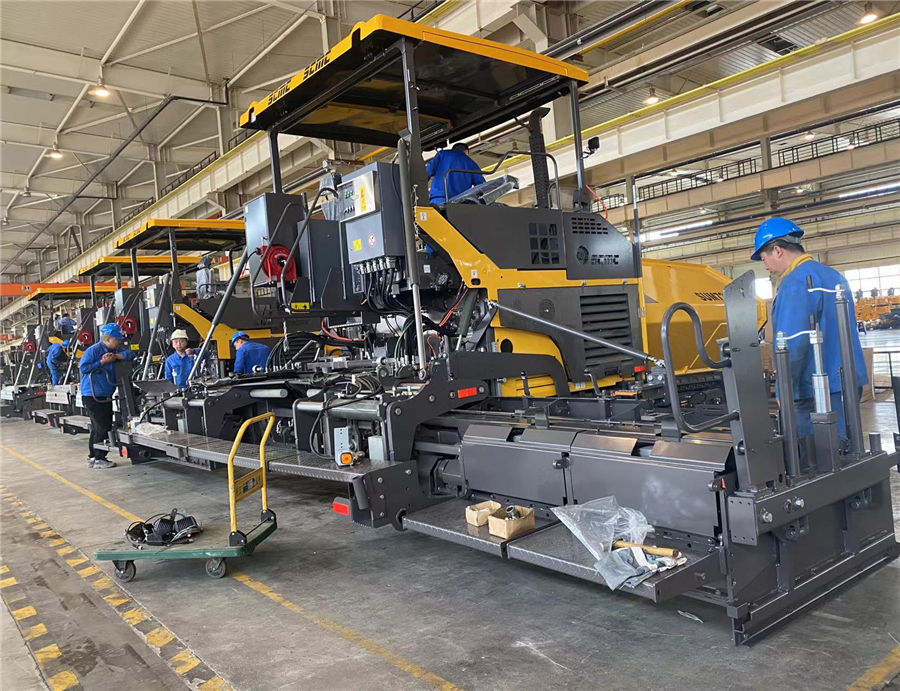
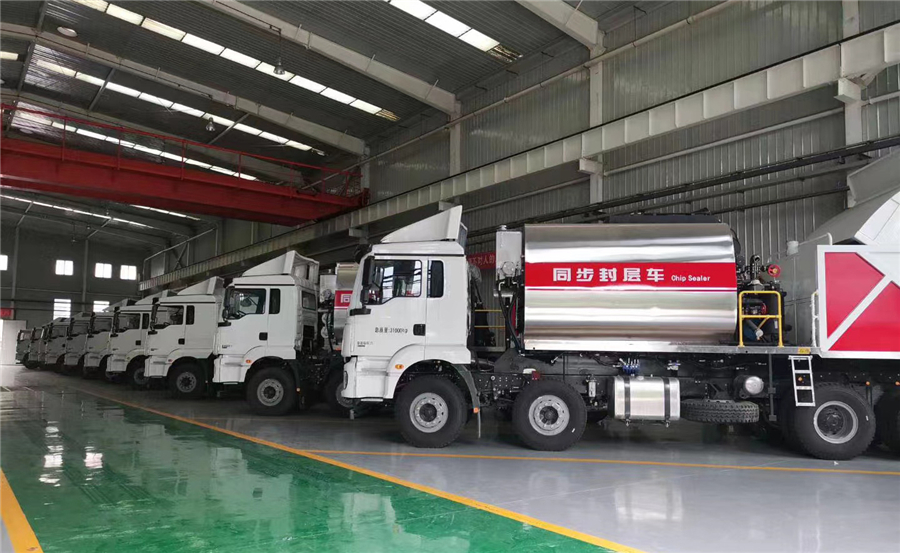
Versatile operation across diverse climate zones, highway specifications, and preventive maintenance projects.
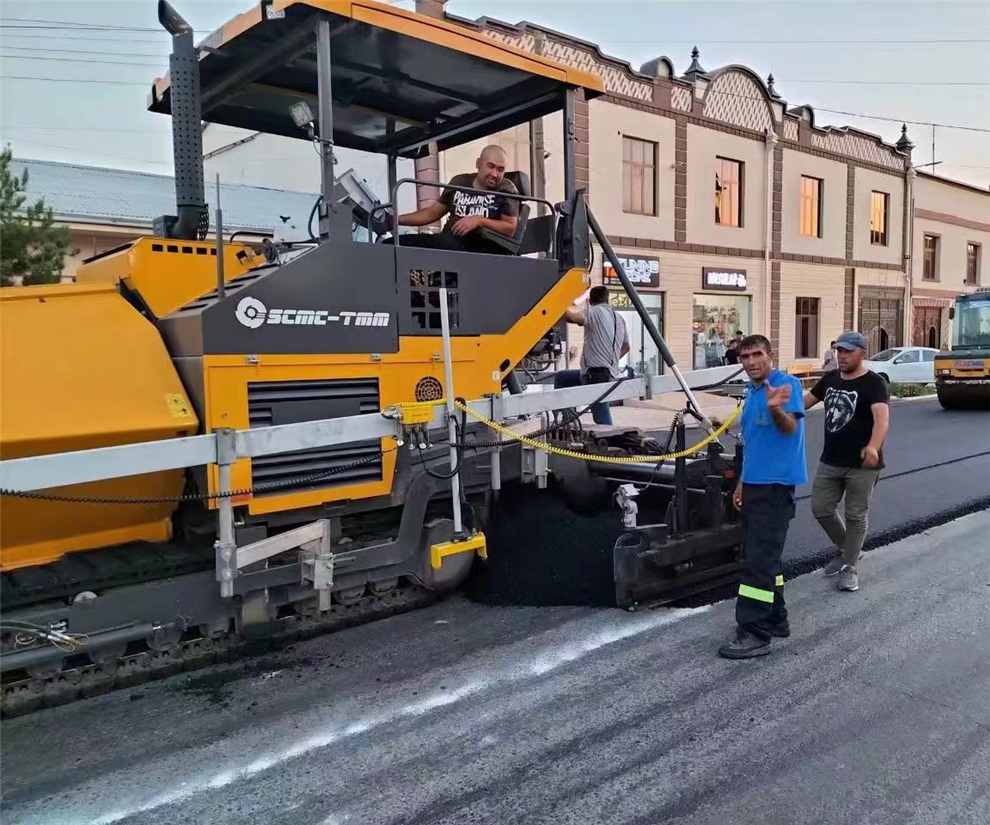
Applying uniform tack coat layers ($0.3 - 0.6 kg/m^2$) between lower asphalt lift courses and upper friction courses on major intercity highways to ensure maximum shear strength and load transfer capability.
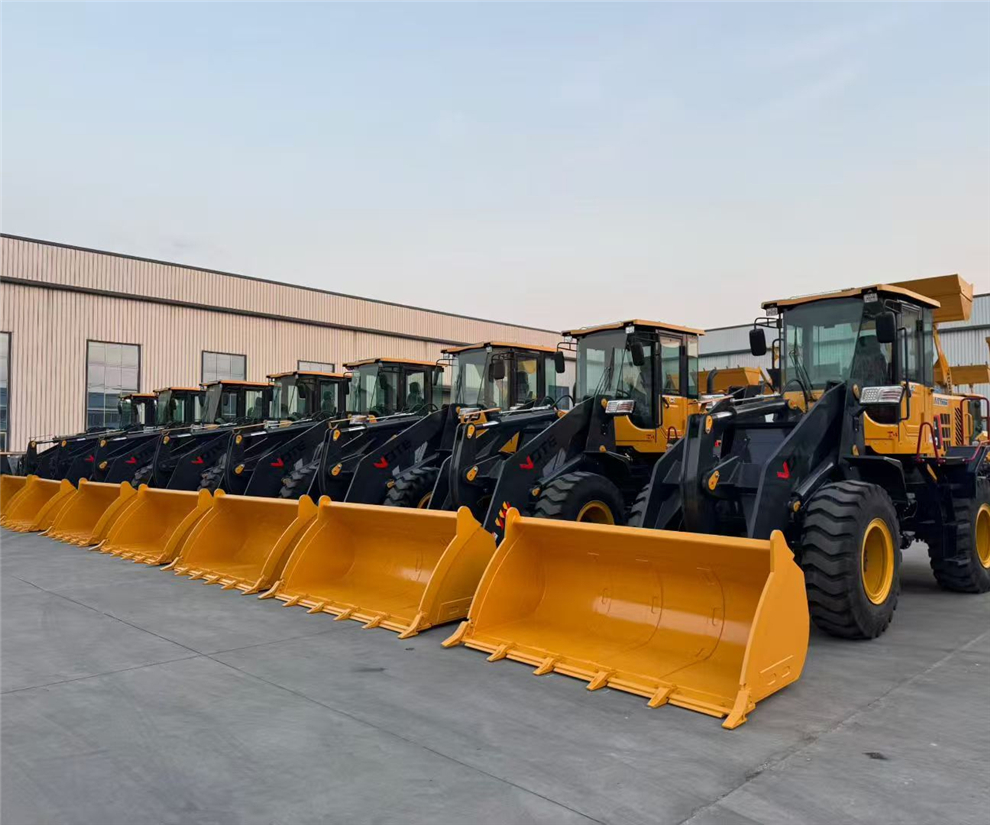
Partnered alongside aggregate chip spreaders for single or double chip sealing projects. Provides instant waterproof sealing over cracked pavement surfaces, restoring skid resistance at minimal cost.
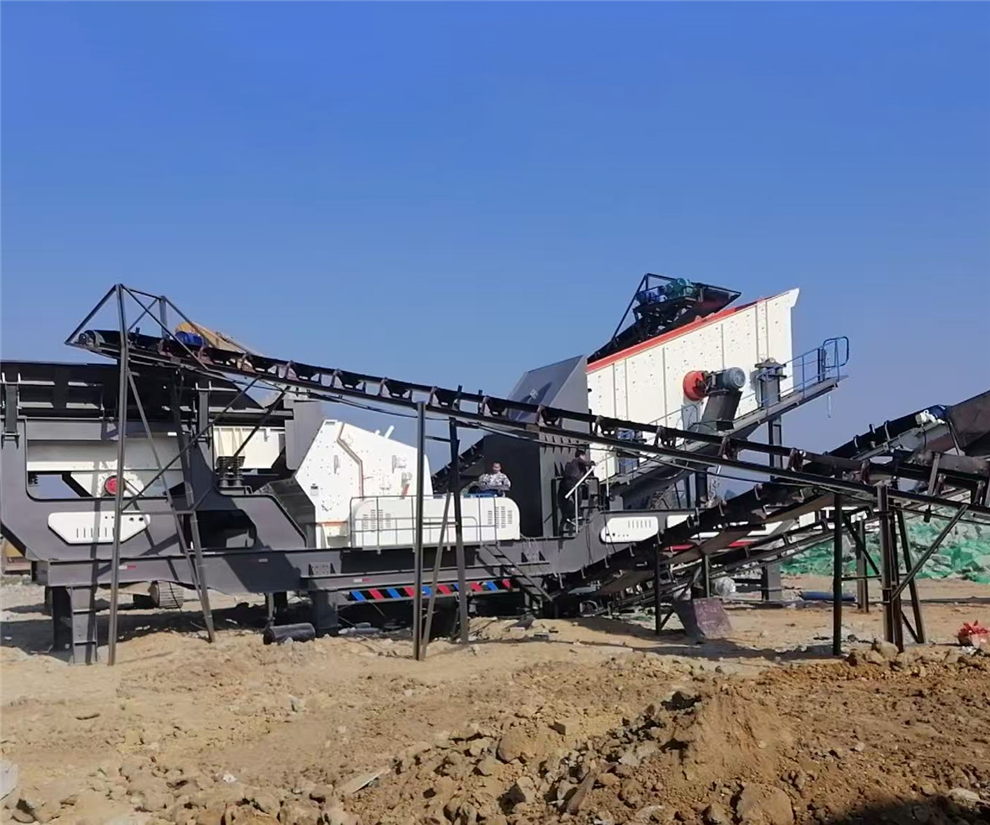
Precision spraying of high-viscosity polymer-modified asphalt (PMA) designed to withstand immense wheel loads, thermal expansion cycles, and jet fuel exposure without binder bleeding or stripping.
HEM Group machinery is actively deployed across Southeast Asia, Africa, the Middle East, South America, and Eastern Europe, supported by localized distribution and service centers.
Localized spare parts inventory hubs, rapid technician deployment, and training support available across Russia, Malaysia, South Africa, Uzbekistan, Ghana, Kenya, Indonesia, Sri Lanka, and beyond.








As global environmental regulations tighten and road construction specifications demand longer pavement lifespan, the market for Acmar sprayers is undergoing four pivotal technological shifts:
Integration of forward-facing optical cameras that scan existing roadbed widths in real-time, automatically expanding or contracting hydraulic spray bars and dynamically controlling individual nozzle solenoids without operator manual input.
Real-time data streaming over 5G networks sending GPS mapping, total bitumen volume sprayed ($liters/m^2$), tank thermal histories, and pump pressure metrics directly to engineering quality control dashboards on remote job sites.
Transitioning from conventional burner systems toward hybrid electric thermal oil heating systems powered by onboard generator sets, eliminating smoke emissions during urban nighttime maintenance operations.
Expert responses addressing procurement, operational calibration, maintenance, and engineering specifications for Acmar sprayers.
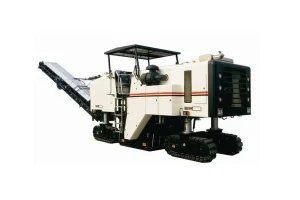
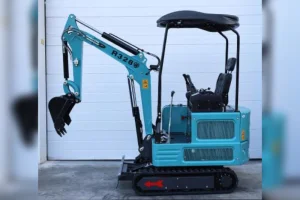
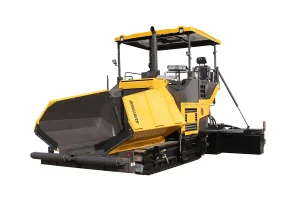
Complete line of road surface equipment, crushing plants, excavators, and line marking machinery manufactured by HEM Group.