Factory-direct solutions designed for maximum application uniformity, automated rate metering, and rapid surface penetration.
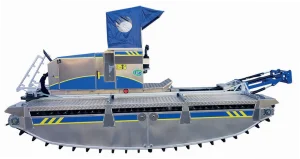
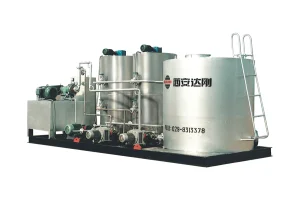
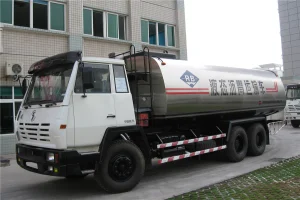
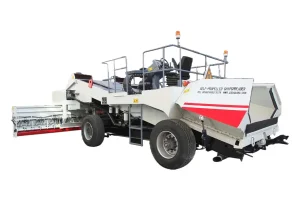
Under the technical guidance established by highway engineering professors from Chang'an University since 1998, HME TOP Machinery provides empirical engineering solutions to asphalt surface oxidation, aggregate raveling, and micro-fissuring.
Founded in 1998 as Xi'an Hongda Communications Technology Co., Ltd. by distinguished professors from Chang'an University (China's premier institution for highway engineering), our engineering foundation integrates deep structural mechanics, polymer chemistry, and dynamic hydraulic delivery systems.
Recognized as a certified "High-tech Enterprise" by the Shaanxi Provincial Department of Science and Technology in 2006, HME maintains decades of invention patents across engine power matching, electro-hydraulic proportional control, and precise bitumen atomization metering.
In 2017, HME TOP Machinery Equipment Co., Ltd. was established to streamline international technology exchange, direct factory exporting, and local field support across more than 60 countries across Southeast Asia, Africa, Central Asia, and Latin America.
Fog sealing is a cost-effective preventive maintenance technique that involves applying a diluted, slow-setting, or rapid-curing cationic/anionic emulsified asphalt binder directly onto an existing asphalt pavement surface without aggregate cover. By penetrating surface voids (0.5mm to 3.0mm depth), fog seals lock in loose aggregate, seal hairline cracks, replenish lost volatile light fractions (maltenes), and restore waterproofing integrity before major structural distress occurs.
Achieving an optimal fog seal requires balancing breaking speeds, dynamic viscosity, surface tension, and polymer modification. As a factory supplier, HME formulates and manufactures specialized emulsification systems engineered for specific asphalt pavement densities.
Utilizing positively charged quaternary ammonium surfactants, cationic emulsions form immediate electro-chemical bonds with negatively charged silica-rich basalt and granite aggregates. This causes rapid demulsification ("breaking"), allowing quick water evaporation and minimal traffic delay (often under 2 hours).
Infused with 3% to 5% Styrene-Butadiene-Styrene (SBS) or Neo-Asphalt latex modifiers, polymer-modified fog seals enhance high-temperature rut resistance (up to +76°C) while maintaining low-temperature ductility (down to -28°C), preventing surface tracking under heavy axle loads.
Formulated with bio-based or aromatic maltene oil fractions, rejuvenating fog seals restore the chemical ratio of Asphaltenes to Maltenes within aged, brittle binders. They penetrate up to 5mm deep into the pavement matrix to reverse oxidative hardening.
| Property Parameter | Standard CSS-1h Emulsion | Polymer-Modified CQS-1h | Bio-Rejuvenating Seal Binder |
|---|---|---|---|
| Saybolt Furol Viscosity @ 25°C (s) | 15 - 100 s | 20 - 90 s | 15 - 50 s |
| Residue by Distillation (%) | ≥ 57% | ≥ 60% | ≥ 62% |
| Penetration of Residue (25°C, 100g, 5s) | 40 - 90 dmm | 40 - 75 dmm | 100 - 200 dmm |
| Ductility @ 25°C (cm) | ≥ 40 cm | ≥ 60 cm | ≥ 100 cm |
| Typical Application Rate (L/m²) | 0.23 - 0.45 L/m² | 0.18 - 0.35 L/m² | 0.15 - 0.30 L/m² |
| Full Cure Time to Traffic | 2.0 - 4.0 Hours | 1.0 - 2.5 Hours | 3.0 - 5.0 Hours |
Deploying high-quality fog seal asphalt at the optimal point in a pavement’s degradation curve yields a 1:6 ROI compared to structural mill-and-overlay interventions.
A asphalt pavement loses approximately 40% of its structural quality in the first 75% of its lifespan. If preventive maintenance like Fog Sealing is performed when the PCI is between 70 and 85, the surface integrity is restored instantly at a fraction of the cost. Waiting until PCI drops below 40 necessitates deep lift rehabilitation costing up to $35/m², whereas timely fog sealing costs under $1.50/m².
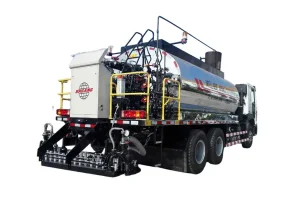
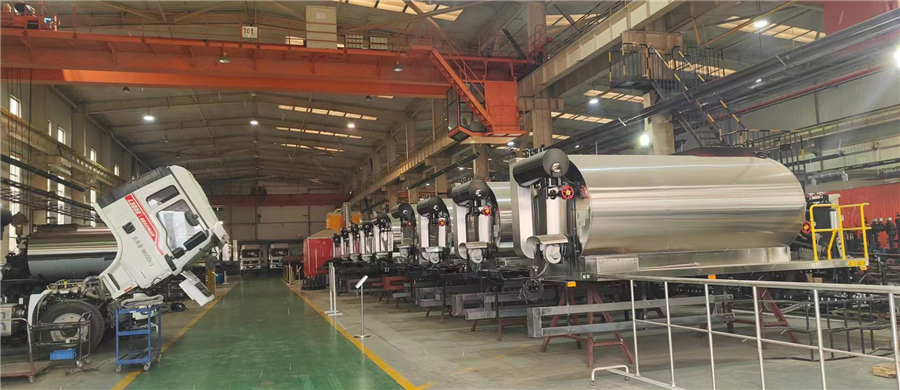
Superior fog seal application relies entirely on precision spraying hardware. HME intelligent bitumen distributors feature computer-controlled spray bars, real-time radar velocity tracking, and zero-overlap triple-spray nozzle technology.
Equipped with specialized Siemens PLC controllers and doppler radar speed sensors, HME spray bars adjust asphalt discharge volume in real time relative to vehicle travel speed, guaranteeing an application tolerance within ±1.5% accuracy.
Integrated heat exchanger systems utilize automated oil heating burners and internal agitators to maintain consistent bitumen emulsion temperatures (60°C to 80°C), preventing thermal degradation or premature emulsion breaking inside the tank.
Precision-engineered brass nozzles are individually computer-actuated to ensure exact 100% spray fan overlap across widths up to 6.0 meters, completely eliminating streaking, ridging, or lean spots during application.
Pavement preservation protocols must adjust to ambient humidity, thermal expansion stresses, and traffic shear forces. HME fog seal solutions are operational across diverse global climates.
Challenge: Extreme UV radiation accelerates binder oxidation, causing severe micro-cracking and loss of light oils.
HME Solution: High-penetration modified cationic emulsions with anti-aging organosilane additives that withstand ambient operational temperatures exceeding 50°C without soft tracking.
Challenge: Water ingress into open void structures freezes and expands, causing severe block cracking and surface spalling.
HME Solution: Hydrophobic polymer fog seals that achieve a 99.4% moisture barrier sealing efficiency, preventing micro-water accumulation inside void networks.
Challenge: Strict lane closure timeframes demand rapid-cure formulations to prevent urban traffic gridlock.
HME Solution: CQS-1h rapid-setting polymer fog seals paired with ultra-fine friction sand dusting systems, allowing lane reopening within 60 to 90 minutes post-spraying.
Challenge: Foreign Object Debris (FOD) generated by loose aggregate unraveling poses extreme danger to jet engines.
HME Solution: High-viscosity resin-encapsulating fog seal coatings that lock down surface aggregate particles and seal high-stress taxiway shoulders.
Pioneering sustainable, intelligent, and carbon-neutral road infrastructure solutions for global construction markets.
Integrating LiDAR pavement scanner modules directly to bitumen distributor spray bars to automatically adjust local emulsion dosage based on real-time micro-crack density mapping.
Transitioning from petroleum distillates to 100% bio-derived vegetable oil and tall-oil ester rejuvenators, reducing lifecycle greenhouse gas emissions by over 45%.
Developing TiO2 micro-pigmented fog seal coatings that reflect infrared solar radiation, mitigating Urban Heat Island (UHI) effects and lowering surface temperatures by up to 12°C.
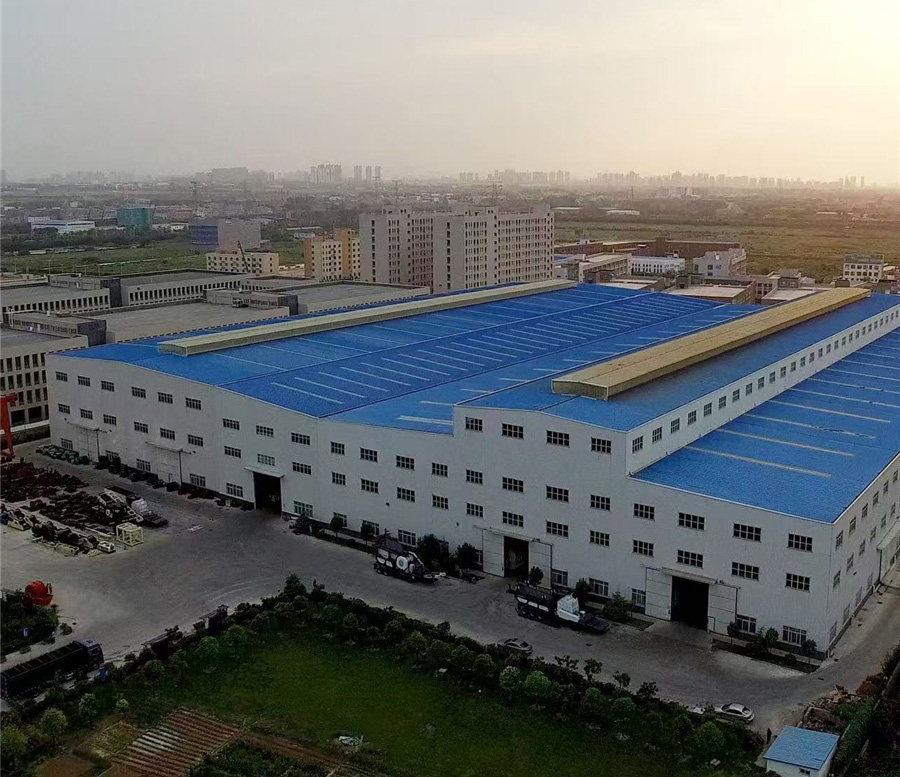
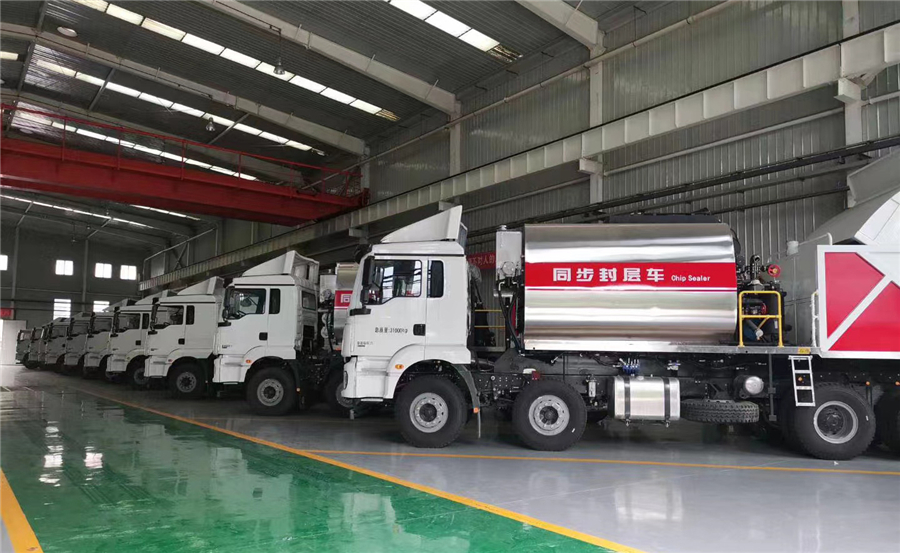
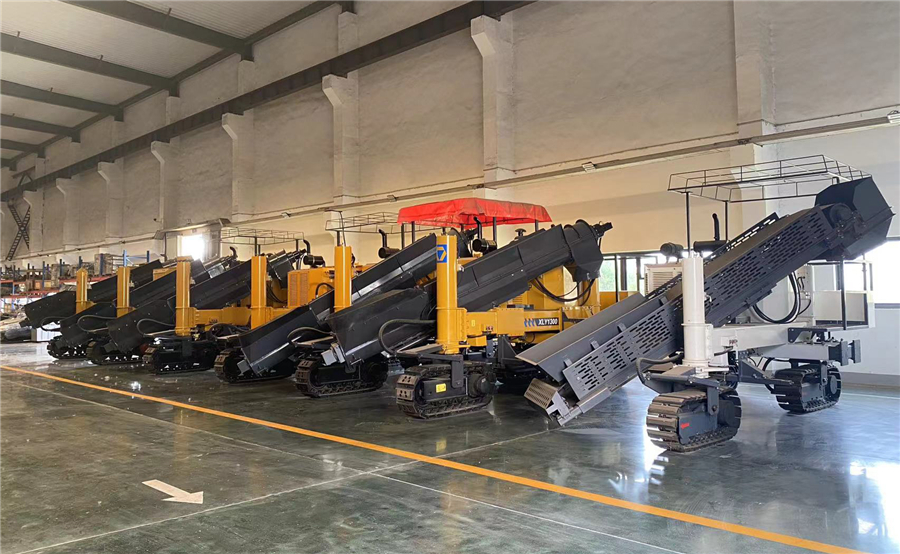
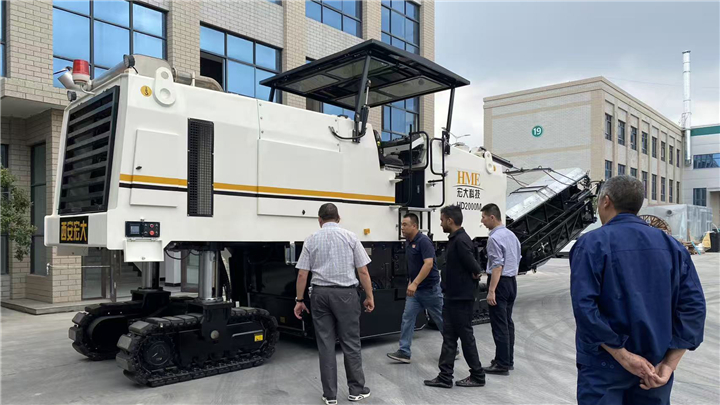
Operating from a state-of-the-art 5000+ M² modern production facility, HME guarantees rigid quality control, scalable OEM manufacturing, and rapid global component logistics.
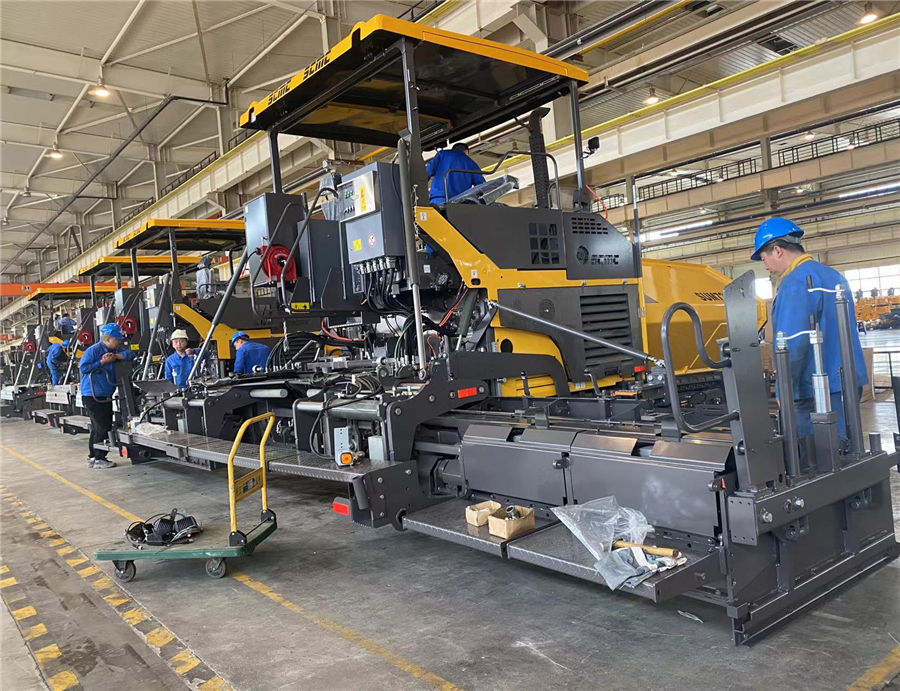
Equipped with modern CNC plasma cutters, robotic welding bays, dynamic balancing rigs, and automated emulsion shear testing labs ensuring ISO 9001 and ISO 14001 compliance across all assembly lines.
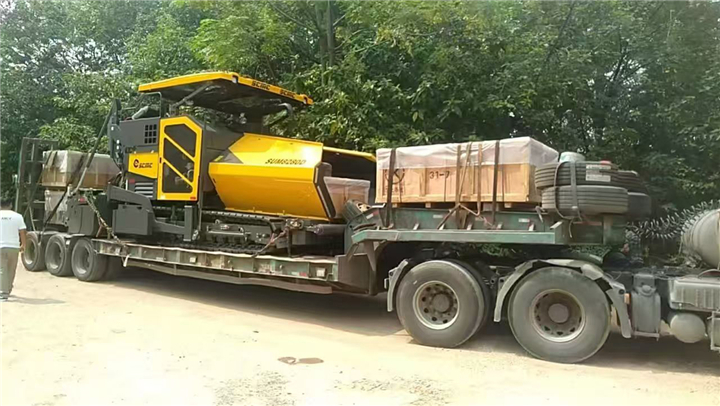
With an annual throughput capacity exceeding 5,000 equipment units and auxiliary machinery, HME provides reliable delivery timelines for large-scale municipal bids and multi-national contractor fleet orders.
By producing critical hydraulic, electronic control, and bituminoid delivery subsystems in-house, HME eliminates third-party component bottlenecks, offering OEM replacement parts at cost-effective factory prices.
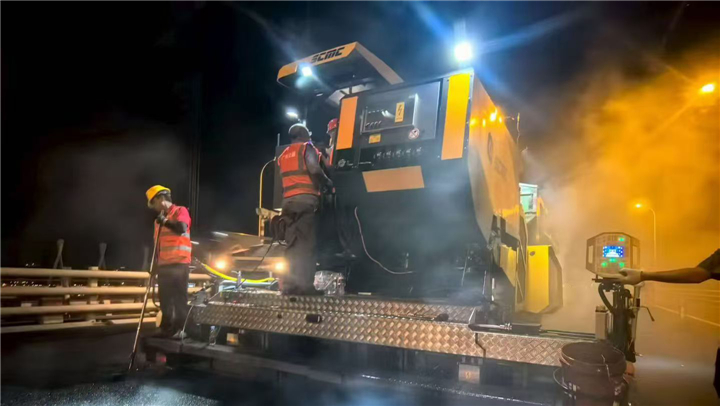
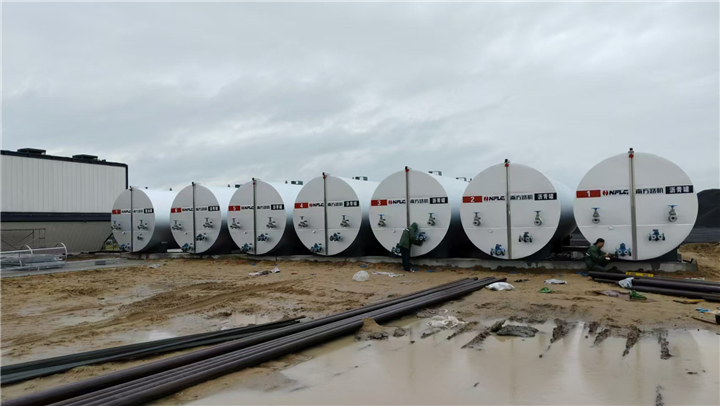
HME machinery and asphalt materials adhere strictly to international road authority standards including ASTM, AASHTO, and EN protocols.
Our fog seal emulsion products and spray equipment comply with ASTM D244 (Standard Test Methods for Emulsified Asphalts), ASTM D977 (Cationic Emulsified Asphalt), AASHTO M140, and European EN 13808 standards.
HME maintains direct distribution hubs, spare parts warehouses, and certified technician service teams across Russia, Malaysia, South Africa, Uzbekistan, Ghana, Kenya, Indonesia, and Sri Lanka.
We provide 24-hour online remote support, on-site commissioning, machine operation training, and complete engineering design customization to match local project specifications.

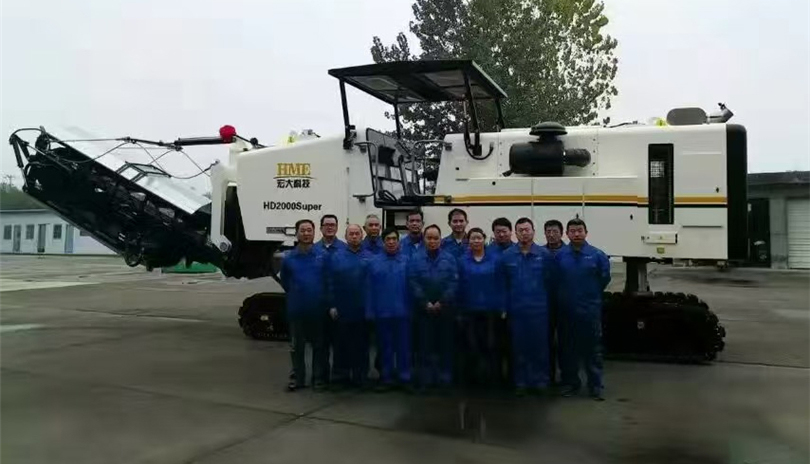
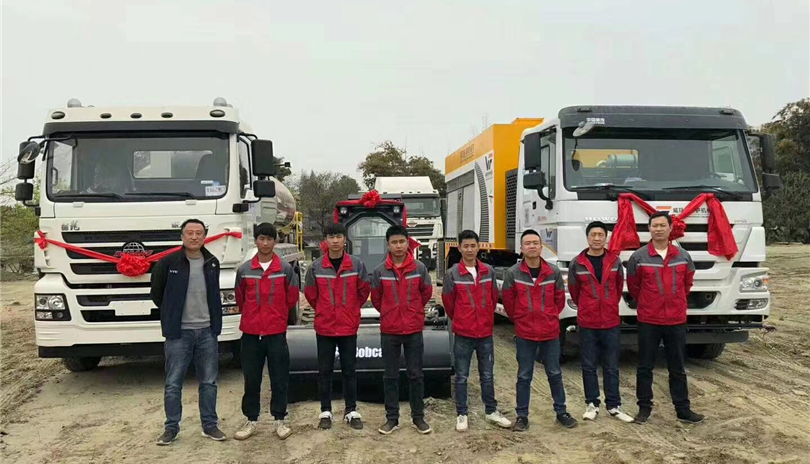
Expert answers to common procurement, material selection, and equipment operation questions.
Fog sealing is designed for low-distress asphalt surfaces exhibiting early-stage oxidation, minor aggregate raveling, or micro-hairline cracking (crack width <1mm). It should be applied while the pavement retains its structural integrity (PCI score >70). It is not recommended for severely rutted, alligator-cracked, or structurally unstable pavements.
HME Intelligent Bitumen Distributors utilize dual-radar travel speed detection paired with proportional hydraulic pump drives and Siemens PLC computer control. The system automatically adjusts bitumen flow rates to maintain the exact pre-set dosage (e.g., 0.30 L/m²) regardless of variations in vehicle speed.
Standard CSS-1h emulsified fog seals typically require 2 to 4 hours depending on ambient temperature, humidity, and wind speed. When using HME polymer-modified CQS-1h rapid-setting emulsions, cure times can be reduced to under 90 minutes. Sand dusting can also be employed to restore skid resistance immediately.
Immediately after application, fog seal asphalt can temporarily reduce macro-texture friction. To mitigate this, HME recommends precise, low application rates (0.20–0.30 L/m²) or applying a light broadcast of fine crushed sand (0.5–1.0 kg/m²) over the curing binder to preserve skid resistance compliant with municipal safety limits.
HME offers complete OEM customization, including tank capacity sizing (from 3,000L to 16,000L), chassis adaptation (HOWO, ISUZU, MAN, FAW, DONGFENG), spray bar extension widths, heating method choices (burner vs diesel thermal oil), and multi-lingual PLC display interfaces.
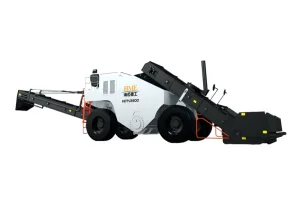
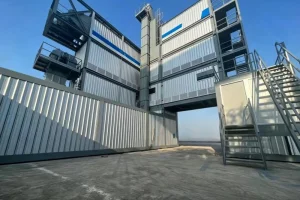
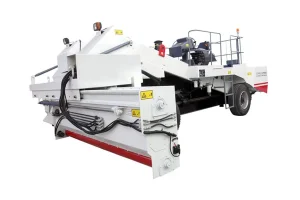
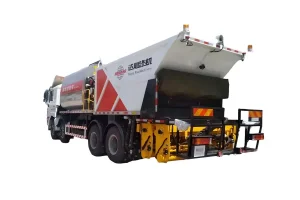
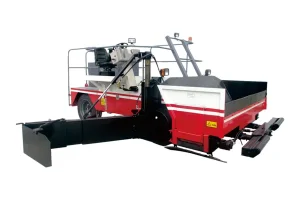
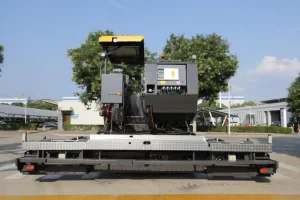
Explore our extended machinery range engineered for high-durability pavement construction, milling, paving, chip sealing, and aggregate processing.
 HME Machinery