Explore our flagship equipment designed for precision asphalt spraying, heavy construction, and mining logistics.
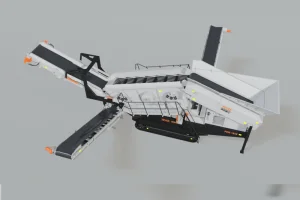
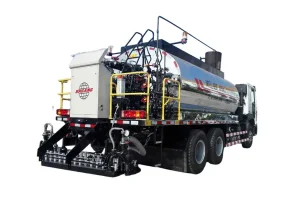
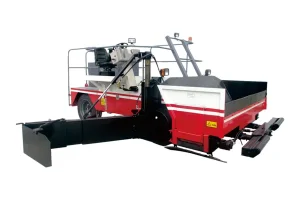
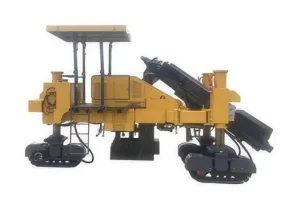
A comprehensive analysis of liquid tar sprayers, intelligent bitumen distribution systems, thermal transfer mechanics, and macro infrastructure deployment.
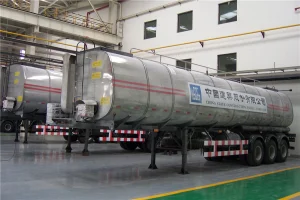
Modern road paving demands precise binder distribution. Traditional liquid tar sprayers relied on manual valve regulation and uninsulated direct heating, causing uneven application, nozzle clogging, and binder degradation. Next-generation liquid tar sprayer factories integrate real-time computer-controlled hydraulic systems, automated spray bars, and dual thermal-oil heat exchangers to achieve precision dosing down to ±1% margin of error.
When selecting a liquid tar sprayer or bitumen distributor factory, engineering teams prioritize tank volume thermal efficiency (using high-density rock wool insulation), burner firing rates (up to 200,000 kcal/h), nozzle overlap matrix geometry (triple-overlap spray capability), and robust CAN-bus control architecture capable of operating in extreme ambient temperatures (-20°C to +55°C).
Information Gain Insight: The quality of prime coat and tack coat spraying directly dictates inter-layer shear strength in asphalt pavements. A modern liquid tar sprayer must automatically adjust pump discharge volume based on truck travel speed (measured via high-resolution radar sensors) to prevent asphalt bleeding or fatigue cracking over long operational cycles.
| Performance Metric | Conventional Tar Sprayers | Intelligent HEM Bitumen Distributors | Operational Impact & ROI |
|---|---|---|---|
| Spraying Precision | ±8% to ±15% manual deviation | ±1% Automatic Radar Controlled | Saves 12-18% raw bitumen material costs annually |
| Thermal Oil Heating | Direct fire burn (Risk of coking) | Dual-loop Thermal Oil Jacket | Prevents asphalt aging, extends binder longevity |
| Nozzle Control | Sectional pneumatics (Manual) | Air-actuated Pneumatic Single Nozzles | Zero dead-angle spraying, customizable widths |
| Viscosity Capability | Low viscosity tars / cutbacks only | Heavy Bitumen, SBS Modified, Rubber Tar | Multi-project flexibility across diverse road specs |
| Cleanout Mechanism | Solvent manual wash (High pollution) | Diesel Flush + High-Pressure Air Purge | 95% reduction in cleanout time, zero line blockage |
Founded by Chang'an University Professors and Road Construction Engineering Pioneers in 1998.
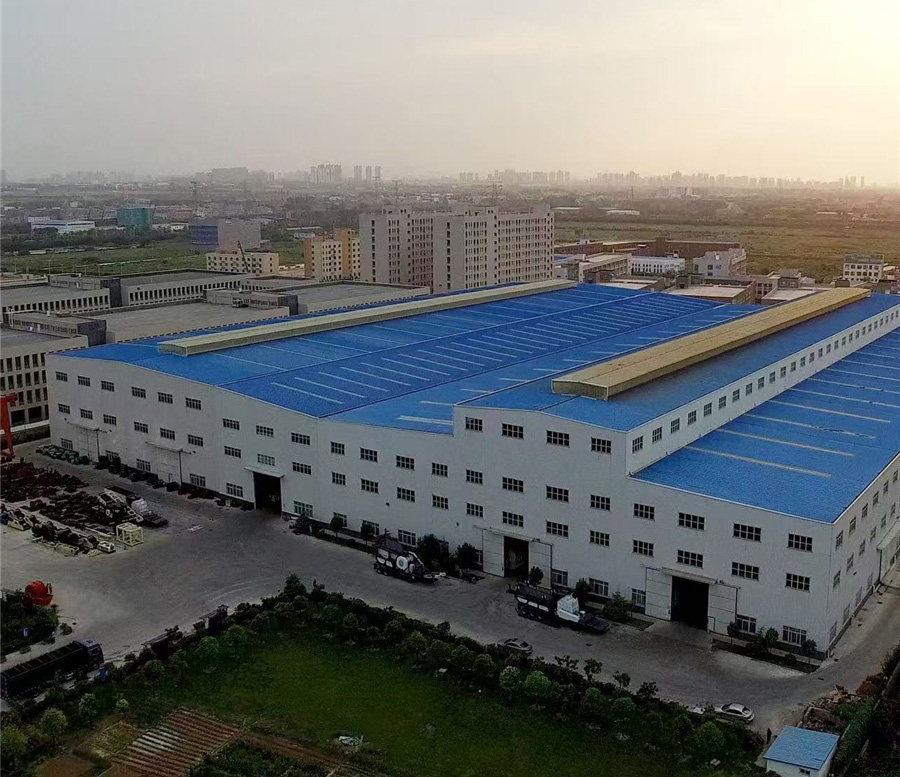
HEM Group was founded in 1998 by a distinguished panel of professors from Chang'an University—the premier institution for highway engineering and heavy machinery design in China. Originally established as Xi'an Hongda Communications Technology Co., Ltd., it stands as the earliest high-tech enterprise focusing on independent research and design of road construction equipment in China.
Since its inception, the company has adhered to the principle of being guided by high-tech research and development and aiming to create an international brand for Chinese construction machinery. We focus on the research and development of high-end road maintenance machinery products, obtaining a series of invention patents and scientific research achievements in mechanical dynamics, engine power matching, hydraulic transmission technology, and digital electronic control technology. In 2006, we were recognized as a "High-tech Enterprise" by the Shaanxi Provincial Department of Science and Technology.
In 2017, to strengthen international technical exchanges and global trade, the company established its dedicated international sales entity, HME TOP Machinery Equipment Co., Ltd., which handles global technology exchange, export operations, after-sales service, and worldwide engineering support.

Analyzing the supply chain, engineering density, custom OEM flexibility, and cost-efficiency of Chinese road machinery manufacturing hubs.
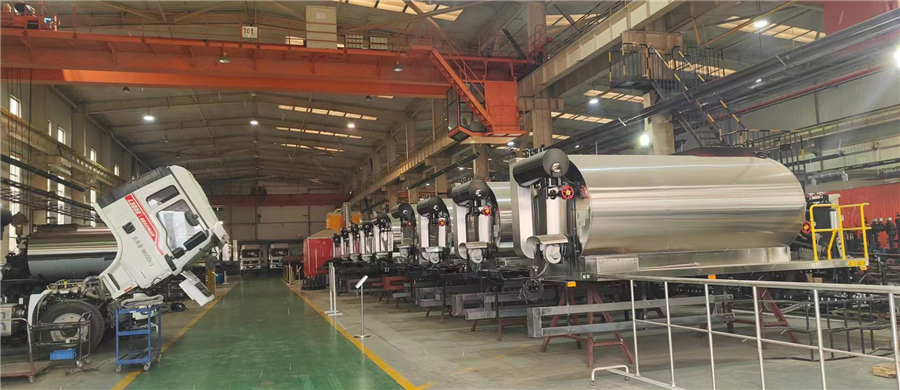
Chinese liquid tar sprayer factories benefit from localized ecosystems providing raw structural steel, high-precision thermal burners (Weishaupt / Riello integration), hydraulic pumps (Rexroth / Handok standard), and automotive-grade CAN controllers, reducing lead times by up to 40%.
From custom tank capacities (3,000 to 18,000 Liters) to chassis matching (Sinotruk HOWO, FAW, Shacman, ISUZU, MAN, Mercedes-Benz), Chinese manufacturers excel at tailoring liquid tar spraying superstructures to localized road authority standards.
By leveraging advanced automated robotic welding and high-volume modular production, Chinese factories deliver premium liquid tar spraying machinery at 35% to 50% lower capital expenditure compared to European counterparts, without compromising reliability.
Key technological shifts shaping the road construction and pavement maintenance industry over the next decade.
Modern road specifications enforce strict binder film thickness limits. Advanced liquid tar sprayers feature Doppler radar units mounted underneath the chassis. As the operator changes vehicle speed, the central ECU dynamically adjusts the hydraulic asphalt pump output, ensuring identical application rate ($kg/m^2$) across hills, turns, and accelerating stretches.
Environmental regulations across North America and Europe are driving liquid tar sprayer factories to innovate eco-friendly heating methods. Hybrid electric heating loops powered by onboard lithium energy storage cut diesel burner consumption during idling, while mist-eliminating spray hood curtains prevent volatile organic compounds (VOCs) from drifting into nearby residential neighborhoods.
Contractors no longer want single-use machinery. Industry trends favor dual-purpose units—such as Synchronized Chip Sealers (combining aggregate distribution and liquid tar spraying in a single pass) and modified asphalt spraying units that handle heavy rubberized bitumen without clogging thermal fluid lines.
Fleet operators require live visibility over binder temperature, spray volume, location tracking, and maintenance alerts. Next-gen factories integrate cloud telemetry, allowing operational managers in head office to review job-site spray logs for quality assurance and warranty verification.
From high-speed arterial highways to urban municipal maintenance and bridge deck sealings.
High-volume highway projects require heavy-duty liquid tar sprayers with 10,000L+ capacity and 6-meter folding spray bars capable of applying fast-setting emulsified asphalt uniformly over large surface areas without disrupting adjacent traffic lanes.
For narrow urban streets and alleyway maintenance, compact truck-mounted or trailer-type liquid tar sprayers equipped with hand-held spray lances allow workers to reach tight corners, utility cutouts, and localized potholes efficiently.
Bridge concrete decks require thick, high-viscosity modified tar coatings. Special liquid tar sprayers feature high-pressure positive displacement asphalt pumps and insulated lines to apply high-viscosity rubberized membrane layers accurately.
Delivering heavy machinery solutions to over 60 countries across Asia, Africa, Europe, South America, and the Middle East.
We handle all aspects of machinery export including customs clearance, certificate of origin (Form E, Form F, COO), CE compliance, ISO certification, and containerized SKD/CKD shipping logistics to minimize sea freight costs for global contractors.
Supported by distribution partners and dedicated service hubs across Russia, Malaysia, South Africa, Uzbekistan, Ghana, Kenya, Indonesia, Sri Lanka, and beyond, delivering 24-hour online technical support and rapid spare part dispatches.


Comprehensive answers from our chief engineers on equipment selection, thermal operation, maintenance, and international compliance.
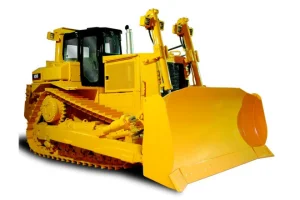
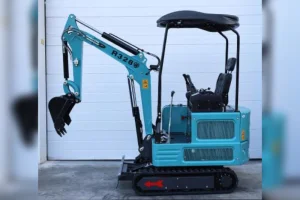
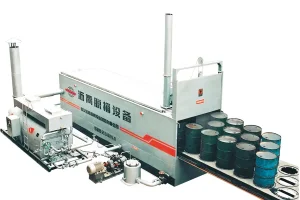
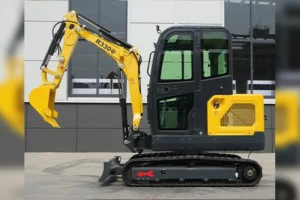
Complete your fleet with our range of heavy machinery, tankers, excavators, and asphalt plants.
 HME Machinery