Explore our top-tier precision machinery designed for heavy infrastructure, asphalt processing, and pavement maintenance.


In modern highway engineering and international civil infrastructure projects, standard penetration grade bitumen no longer satisfies the dynamic stress, extreme thermal loading, and shear fatigue requirements of high-volume expressways, airport runways, and heavy transport corridors. Modern transport networks demand pavement materials that resist permanent deformation (rutting) under elevated summer temperatures while maintaining flexibility during severe sub-zero freeze cycles.
Styrene-Butadiene-Styrene (SBS) polymer modification represents the gold standard in asphalt binder enhancement globally. However, achieving a stable, homogenous, and non-segregating Polymer Modified Bitumen (PMB) requires far more than rudimentary batch mixing. It demands precise mechanical energy, controlled thermal kinetics, and specialized high-shear dispersion technology. As a premier OEM SBS Polymer Modified Asphalt Plant Supplier & Factory, our industrial solutions bridge academic rheological science with rugged, job-site machinery design.
Global infrastructure investments are undergoing a massive transition towards long-lifecycle pavements. According to AASHTO and European EN standards, utilizing SBS-modified asphalt extends pavement service life by 150% to 200% compared to conventional neat bitumen. Key macro drivers accelerating the global demand for OEM SBS Polymer Modified Asphalt Plants include:
Pioneered by university researchers and road building authority experts since 1998.
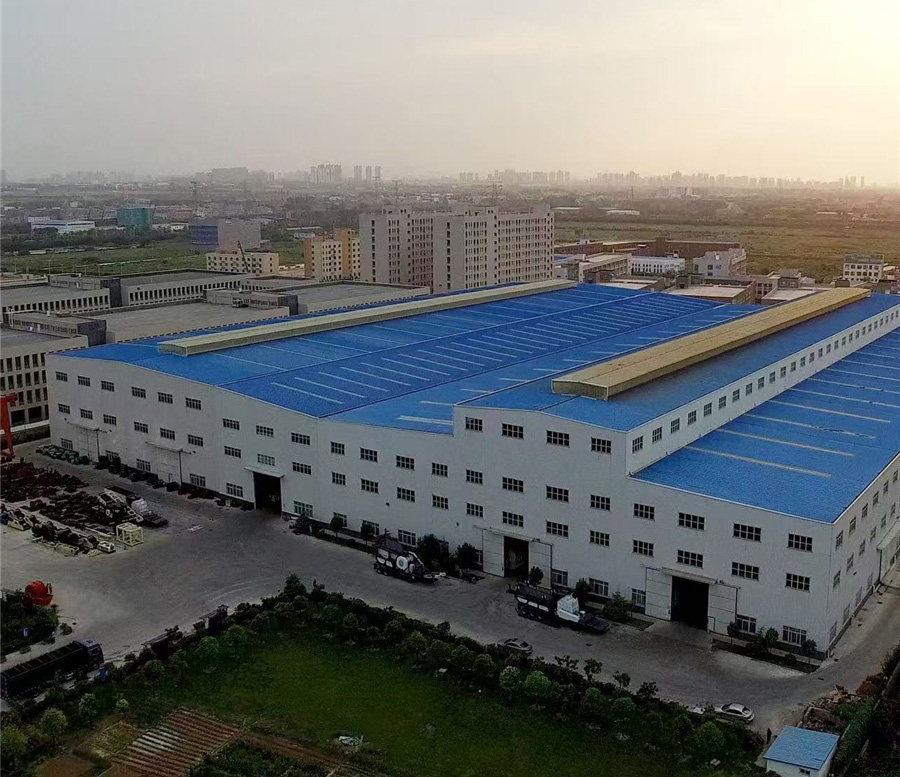
Founded in 1998 by professors from Chang'an University and road building industry authorities (originally Xi'an Hongda Communications Technology Co., Ltd.), our institution represents the earliest high-tech enterprise dedicated to independent road equipment R&D in China.
Recognized as a Shaanxi Provincial High-Tech Enterprise, we possess an extensive portfolio of patents spanning mechanical dynamics, engine power matching, high-shear hydraulics, and digital electronic control systems for modified bitumen production.
In 2017, HME TOP Machinery Equipment Co., Ltd. was established to handle global technical exchanges, self-operated exports, and regional support across over 60 countries across Asia, Africa, South America, and Eastern Europe.

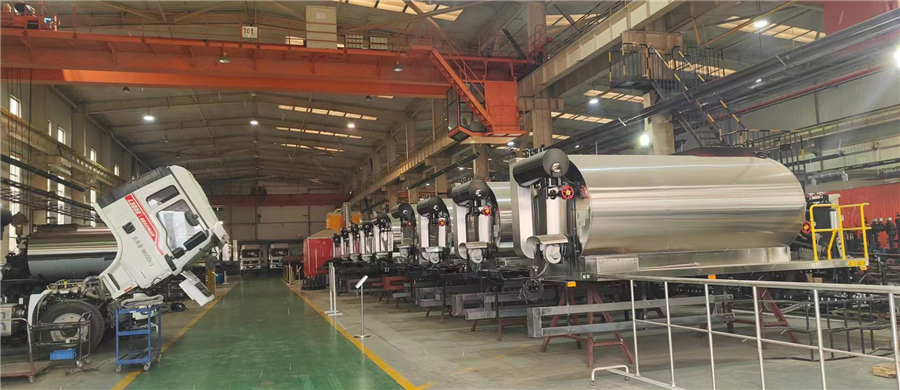
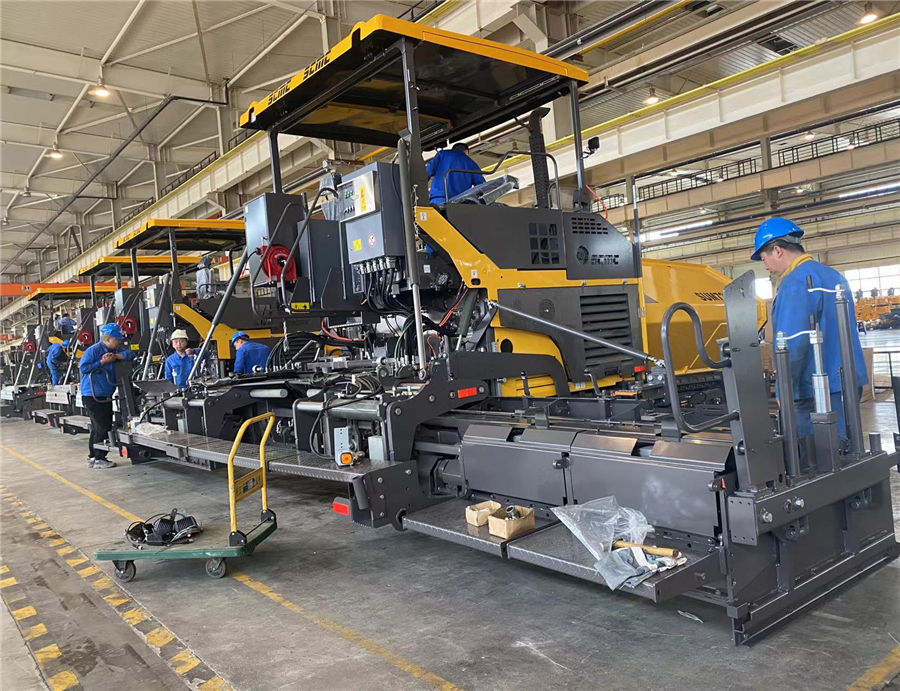
The manufacturing of high-performance SBS polymer modified bitumen demands strict control over three primary operational phases: High-Precision Polymer Dosing, High-Shear Mechanical Dispersion, and Thermal Swelling Digestion.
The core component of our OEM SBS plant is the proprietary high-shear mill. Operating at rotation speeds exceeding 3,000 RPM with teeth clearance tolerances scaled down to 0.2–0.5 mm, the mill imparts immense kinetic energy into the bitumen-polymer blend. This process mechanically shreds SBS polymer block copolymers (such as linear or radial SBS) into microscopic particles under 5 microns. This fine particle size distribution creates an interconnected polymer matrix, preventing phase separation during transport and storage.
| Engineering Specification Parameter | Standard OEM Mobile Plant | Stationary High-Capacity Factory Unit |
|---|---|---|
| Production Capacity (t/h) | 10 - 20 Tons / Hour | 30 - 60 Tons / Hour |
| High-Shear Mill Power (kW) | 75 kW - 110 kW Dual-Stage | 132 kW - 200 kW High-Torque |
| Shear Fineness Particle Size | ≤ 5 Micron Uniform Dispersion | ≤ 3 Micron Micro-Emulsion Level |
| Thermal Oil Heat Exchanger Capacity | 300,000 kcal/h Integrated | 600,000+ kcal/h Multi-Loop |
| Dosing System Accuracy | ± 0.5% Computerized Gravimetric | ± 0.2% Micro-Feeder Automation |
| Control System Integration | Siemens PLC with Touch HMI | Full SCADA Network / Cloud Diagnostic |
Asphalt thermal degradation occurs when bitumen is exposed to high temperatures for extended periods. Our SBS modified asphalt plants feature optimized thermal oil heating coils combined with precise PID closed-loop temperature control. The mixing temperature is maintained within the ideal processing window of 170°C to 185°C, ensuring complete polymer swelling without thermal cracking or premature oxidation of the base asphalt binder.
To eliminate manual batching errors, our OEM plants utilize automated pneumatic powder feeding and mass-flow liquid bitumen metering systems. Whether handling granulate SBS, crumb rubber (CRMB), or stabilizing additives (such as elemental sulfur cross-linkers), the central PLC system guarantees batch-to-batch repeatability and compliance with international Superpave protocols.
Direct factory supply engineered to match your regional site conditions and project specs.
Over two decades of OEM design and specialized plant fabrication experience ensure rugged equipment built for continuous continuous operation.
We do not just supply hardware. We provide complete technical consultation regarding bitumen chemistry, polymer formulation, and operational guidance.
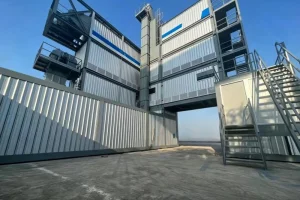
Fully customizable modular, containerized, or stationary plant layouts adapted to regional power grids, fuel sources (diesel/gas/thermal oil), and space constraints.
Dedicated international service team supporting on-site installation, commissioning, operator training, and rapid spare parts dispatch worldwide.
From bitumen modification to pavement application and quarry aggregate processing.
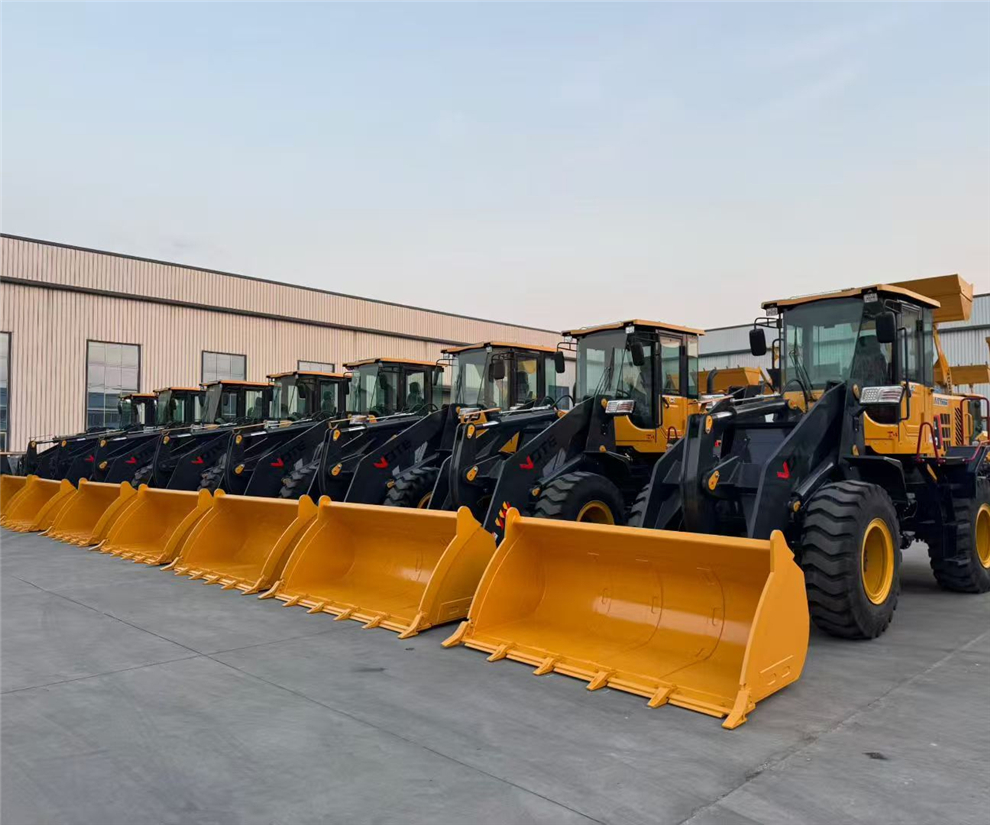
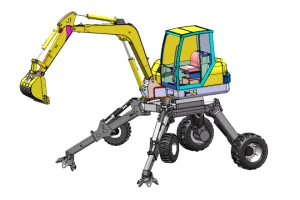
We supply wheel loaders, excavators, backhoe loaders, motor graders, and special all-terrain walking excavators for heavy earthmoving, bridge foundations, tunnel work, real estate development, and mining emergency response.
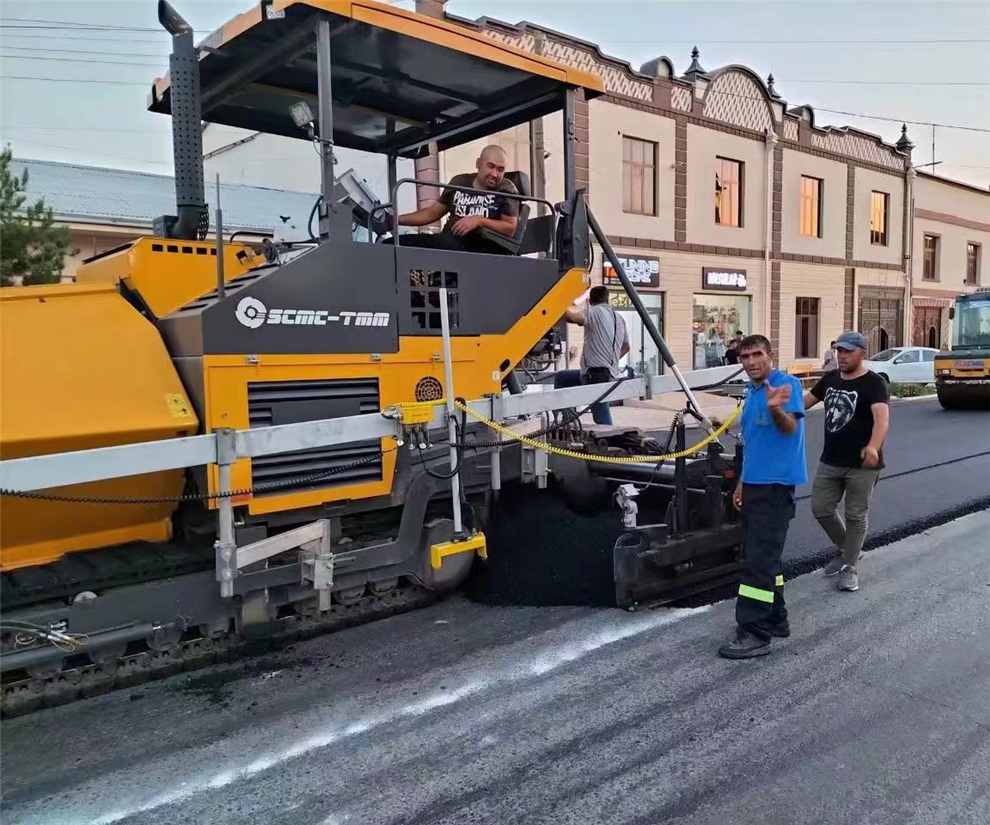
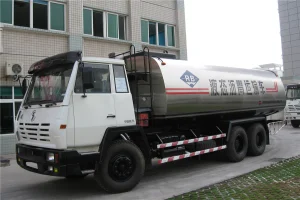
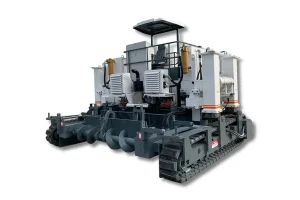
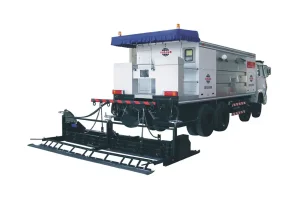
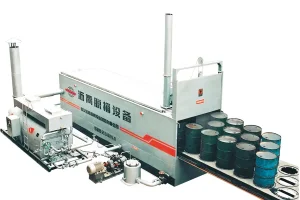
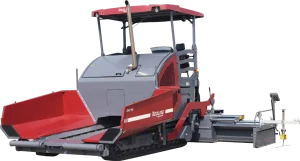
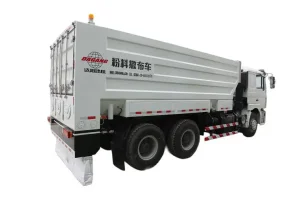
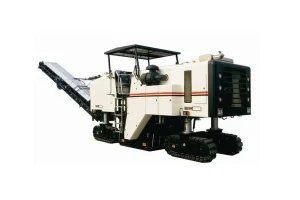
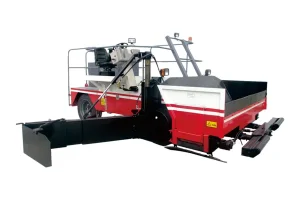
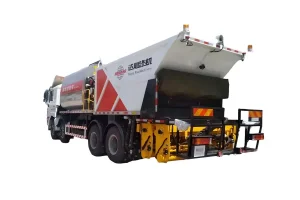
Our fleet spans Asphalt Mixing Plants, SBS/Rubber Modification Plants, Asphalt Pavers, Chip Sealers, Micro-surfacing Pavers, Road Milling Machines, Intelligent Bitumen Distributors, and Shoulder Widening Machinery.
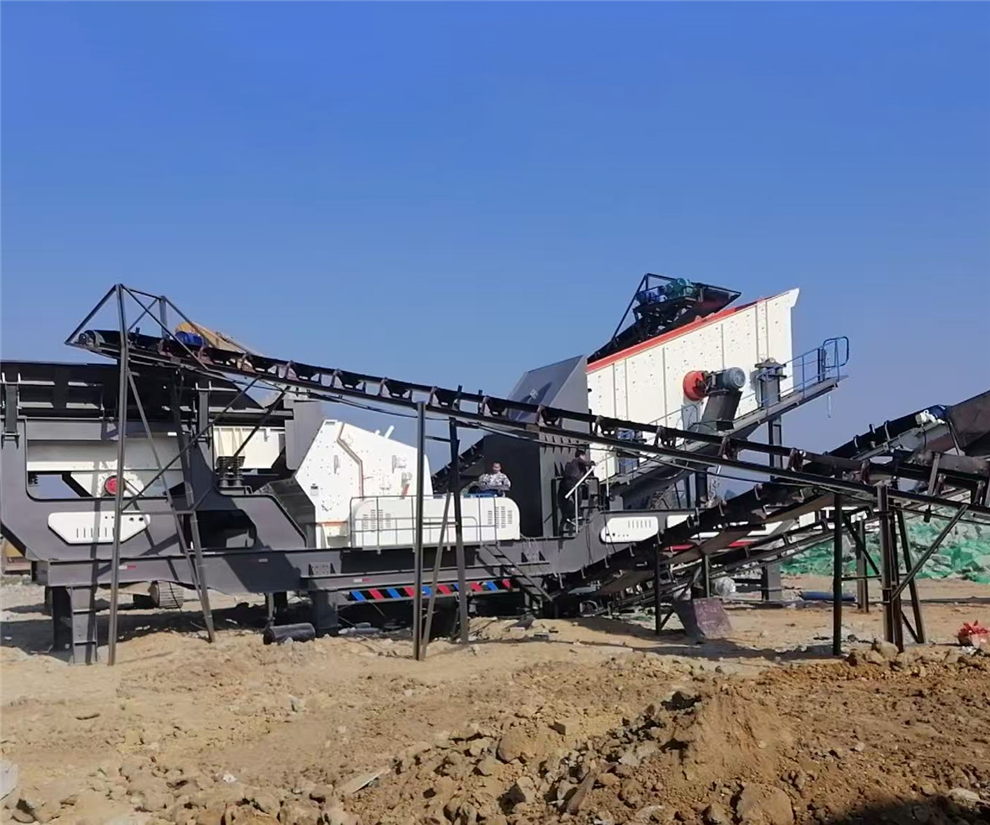
Complete crushing and screening machinery including mobile jaw crushers, mobile primary screeners, and mobile cone crushers engineered to supply high-cubical mineral aggregates required for modified asphalt mixes.
Road pavement requirements vary significantly across different climate zones and regulatory environments. As an international OEM exporter, our SBS Polymer Modified Asphalt Plants and pavement maintenance equipment are customized to satisfy regional standards across Southeast Asia, Central Asia, the Middle East, Sub-Saharan Africa, and Latin America.
In regions such as Saudi Arabia, the UAE, and Egypt, pavement surface temperatures can exceed 70°C. Standard asphalt binders bleed and rut rapidly under these conditions. Our plants incorporate specialized high-dosage SBS and cross-linker injection modules, producing modified binders rated for Superpave PG 76-10 and PG 82-10, resisting permanent deformation under heavy oil-tanker traffic.
In cold climate infrastructure across Kazakhstan, Uzbekistan, and mountainous regions, low-temperature thermal cracking is the primary cause of pavement failure. Our modified asphalt formulations enhance binder ductility at temperatures down to -40°C, extending low-temperature cracking resistance by over 300%.
In tropical climates characterized by intense monsoon rainfall, moisture damage (stripping) between aggregate and bitumen is critical. Our plants integrate continuous anti-stripping agent dosing pumps, delivering enhanced moisture damage resistance compliant with ASTM D4867 standards.





As carbon reduction targets become mandatory for global highway infrastructure, bitumen modification technologies are evolving rapidly. Our engineering R&D division is leading the transition towards sustainable, low-emission, and smart bitumen processing systems.
Combining SBS modification with chemical or foaming Warm Mix Asphalt (WMA) technology allows paving temperatures to be reduced by 20°C to 30°C. This lowers plant fuel consumption by up to 25% while drastically cutting VOC emissions on-site.
Our next-gen high-shear mills are engineered to co-process ground tire rubber (GTR/Crumb Rubber) together with SBS polymers. This creates a sustainable hybrid binder with high noise reduction properties and extreme rut resistance.
Integrating inline dynamic viscometers and AI algorithms into the plant PLC framework. The system real-time measures PMB viscosity during shearing, automatically adjusting mill shear gaps and mixing times to ensure 100% target grade output.
Expert answers regarding SBS Polymer Modified Asphalt Plants, engineering selection, and operation.
An SBS Polymer Modified Asphalt Plant mechanically blends, high-shears, and digests Styrene-Butadiene-Styrene (SBS) polymer granules into base bitumen. The plant converts base asphalt into high-performance modified bitumen (PMB) with elevated thermal stability, rut resistance, and low-temperature flexibility.
SBS polymers do not dissolve naturally in bitumen. High-shear mills apply intense mechanical force to reduce polymer particle sizes down to under 5 microns. This enables continuous polymer-bitumen network cross-linking, preventing phase separation during high-temperature storage.
Yes. Our multifunctional modified asphalt plants are engineered to handle SBS, EVA, PE, as well as ground crumb rubber (CRMB). We can supply customized dual-feed dosing units and specialized high-torque wear-resistant shear mills.
We manufacture plants with capacities ranging from mobile containerized 10-20 t/h units for localized highway projects up to high-capacity stationary factory plants producing 30-60+ t/h for major asphalt supply hubs.
Select from our certified fleet of pavement pavers, distributors, spreaders, and excavators.


 HME Machinery