Precision-engineered heavy machinery directly supplied from certified Chinese manufacturing bases
A comprehensive analysis of thermodynamics, stress distribution, and thermal heating efficiency in modern liquid bitumen transportation systems
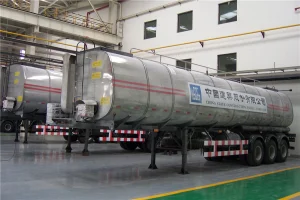
Liquid asphalt (bitumen) must be maintained at operating temperatures between 150°C and 180°C during long-distance transportation to prevent thermal degradation and phase separation. Premium OEM Liquid Asphalt Tanker Suppliers employ advanced double-wall multi-layered insulation configurations. The inner vessel, crafted from high-tensile carbon steel (Q345B) or stainless steel (316L), is wrapped in high-density Rockwool or Polyurethane foam insulation ranging from 80mm to 120mm in thickness.
To eliminate thermal bridges, structural supports between the inner vessel and the outer jacket utilize low-conductivity composite isolators. This structural optimization ensures an industry-leading heat retention rate where temperature drops do not exceed 1°C to 1.5°C per hour under ambient external temperatures of -20°C. Stainless steel (201/304) outer cladding with mirror or polished finishes further minimizes radiative heat transfer while providing exceptional resistance to atmospheric corrosion.
When long-distance transit extends over several days, passive insulation alone is insufficient. Modern OEM factories equip bitumen tankers with dynamic heating systems. The two principal industrial configurations include:
Heavy-duty positive displacement gear pumps driven by hydraulic PTO (Power Take-Off) or auxiliary diesel engines deliver pumping speeds up to 500-1000 L/min, accommodating viscosities over 3000 cSt easily.
Integrated pneumatic safety valves, emergency quick-closing valves, anti-static grounding reels, and optical overfill detection sensors prevent catastrophic leaks and operational accidents during loading.
Divided internal bulkheads with independent surge baffles mitigate liquid sloshing during dynamic braking and acceleration while allowing multi-grade bitumen transportation in a single transit trip.
Engineering parameters for standard semi-trailer and truck-mounted liquid bitumen transport units
| Specification Parameter | 3-Axle Semi-Trailer Tanker | 4-Axle Heavy Semi-Trailer | Truck-Mounted Rigid Tanker |
|---|---|---|---|
| Tank Volume Capacity | 30,000L - 38,000L | 40,000L - 48,000L | 12,000L - 20,000L |
| Shell Material Thickness | 5mm Q345B High Tensile Steel | 6mm S700MC / Stainless 316L | 4mm - 5mm Carbon Steel |
| Insulation Medium | 100mm High-Density Rockwool | 120mm Rockwool + Polyurethane | 80mm Rockwool Insulation |
| Heating System Type | Dual Direct Diesel Burner (Riello) | Thermal Oil Circulation System | Single Automatic Diesel Burner |
| Discharge Pump Capacity | 60 m³/h Gear Pump (Hydraulic Drive) | 80 m³/h Heavy Viscosity Pump | 30-40 m³/h PTO Driven Pump |
| Axles & Suspension | 3x 13T BPW / FUWA Air Suspension | 4x 16T Heavy-Duty Axles | Integrates with Chassis Specs |
| Operating Temperature | 160°C - 200°C Max | 180°C - 230°C High Temp PMB | 150°C - 180°C Standard Bitumen |
Why leading international contractors choose Chinese OEM manufacturing for asphalt machinery
China's comprehensive heavy industrial manufacturing ecosystem allows direct sourcing of premium raw materials, high-grade steel plates, specialized burners, and hydraulic components. This vertical integration reduces manufacturing lead times by up to 35% compared to Western suppliers while maintaining competitive pricing structures.
OEM factories specialize in custom subframe designs compatible with major international truck chassis manufacturers, including SINOTRUK HOWO, SHACMAN, FAW, Mercedes-Benz Actros, Volvo FH, MAN, and Scania. Tankers can be custom-fitted for both Left-Hand Drive (LHD) and Right-Hand Drive (RHD) operations.
Utilizing automated longitudinal seam welding machines and robotic plasma cutting systems, Chinese factories ensure 100% seam penetration and structural integrity. Every liquid asphalt tanker undergoes non-destructive X-ray testing and high-pressure hydrostatic testing to guarantee zero structural defects.
Navigating environmental regulations, digital telemetry, and energy-efficient asphalt logistics
Modern road construction logistics demands strict temperature compliance upon arrival at the asphalt mixing plant or paving site. Next-generation OEM asphalt tankers are equipped with satellite-linked IoT telematics systems. Sensors positioned at multiple depth levels inside the tank transmit continuous real-time temperature, tank volume, and GPS telemetry data to centralized fleet management dashboards. Automated alerts notify operators if bitumen temperatures fall below operational paving thresholds.
In response to stringent carbon reduction mandates across Europe and North America, OEM factories are pioneering hybrid heating systems. These combine traditional diesel burners for rapid heating during transit with electric plug-in heating elements for stationary storage at job sites. When connected to local grid power or solar energy systems, emissions during idle standby periods are reduced to zero.
To maximize legal payload limits while strictly complying with highway gross vehicle weight (GVW) regulations, modern OEM designs utilize advanced ultra-high-strength steel (S700MC) and structural aluminum alloy outer cladding. Weight reduction of up to 1,500 kg per semi-trailer is achieved without sacrificing structural rigidity or impact safety performance.
Customized asphalt transportation solutions engineered for extreme environmental and terrain conditions
Region: Middle East, North Africa, Outback Australia
Engineered Feature: Solar heat reflective outer jackets, reinforced dust-proof control cabinets, and auxiliary engine cooling radiators designed for ambient temperatures exceeding +50°C.
Region: Northern Europe, Central Asia, Canada
Engineered Feature: Extra-thick 150mm dual-layer insulation jackets, pre-heated fuel lines, and rapid-fire high-output dual burners capable of operating at -40°C environment.
Region: South American Andes, Southeast Asian Highlands
Engineered Feature: Low center-of-gravity tank design, specialized multi-baffle anti-slosh geometry, and air-actuated multi-axle braking systems engineered for stability on steep slopes.
The history, engineering milestones, and export capabilities of HEM Group and HME TOP Machinery
HEM Group was founded by a group of professors from Chang'an University and leading experts in the road building industry in 1998, initially established as Xi'an Hongda Communications Technology Co., Ltd. It stands as one of the earliest high-tech enterprises focusing on independent research and design of road construction equipment in China.
Since its inception, the company has adhered strictly to high-tech R&D principles, aiming to create an international brand for Chinese construction machinery. Focusing on high-end road maintenance machinery, the company holds numerous invention patents and scientific research achievements in mechanical dynamics, engine power matching, hydraulic transmission technology, and digital electronic control systems. In 2006, the company was officially recognized as a "High-tech Enterprise" by the Shaanxi Provincial Department of Science and Technology.
In 2017, to strengthen international technical exchange and overseas supply chains, the group established its dedicated export sales organization, HME TOP Machinery Equipment Co., Ltd. This division manages international technical exchanges, export trade of self-operated machinery, global after-sales service, and technical field support.
Today, HEM Group provides a complete chain of road construction and maintenance products, offering clients a comprehensive one-stop procurement experience. Machinery is exported to more than 60 countries and regions globally, including India, Sri Lanka, Indonesia, Nigeria, South Africa, Eritrea, Mozambique, Congo, Australia, Fiji, Bolivia, Uzbekistan, Kenya, Ghana, and Russia.
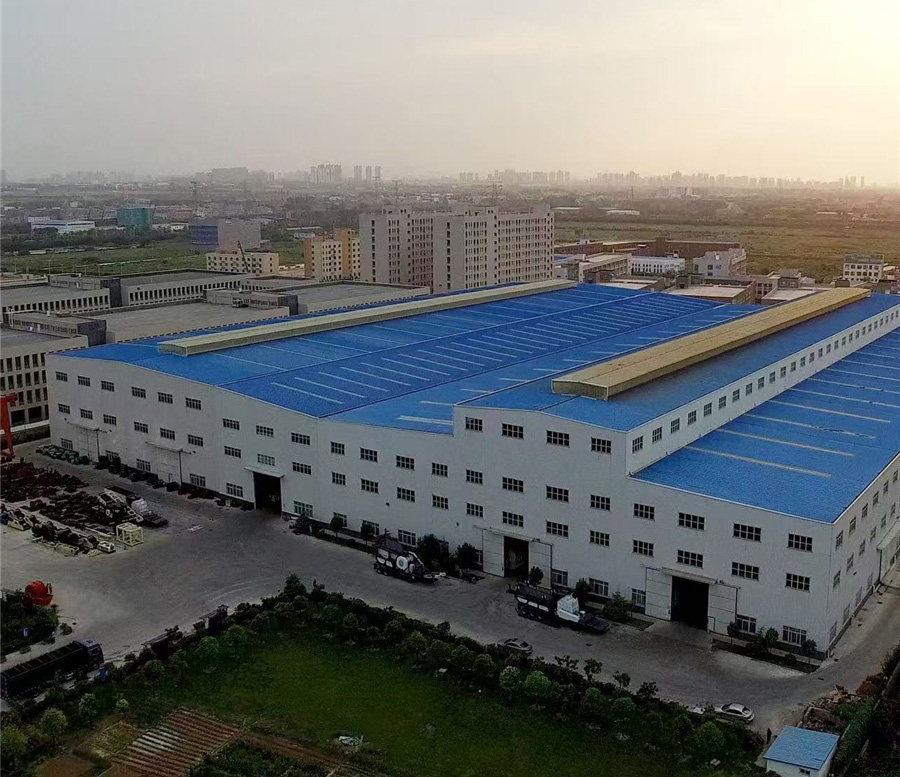

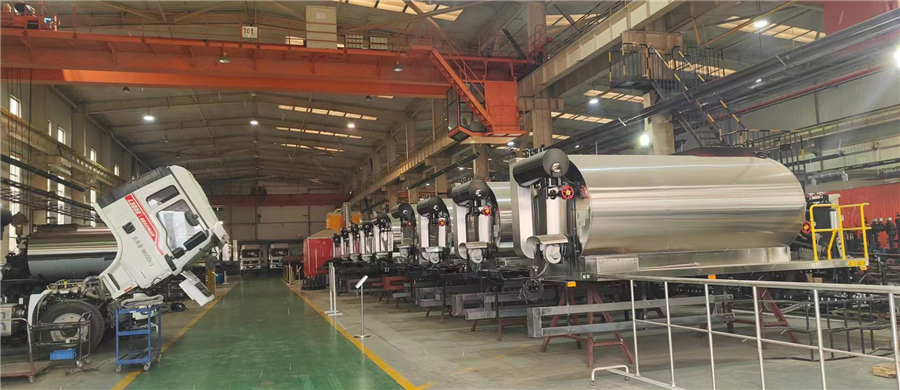
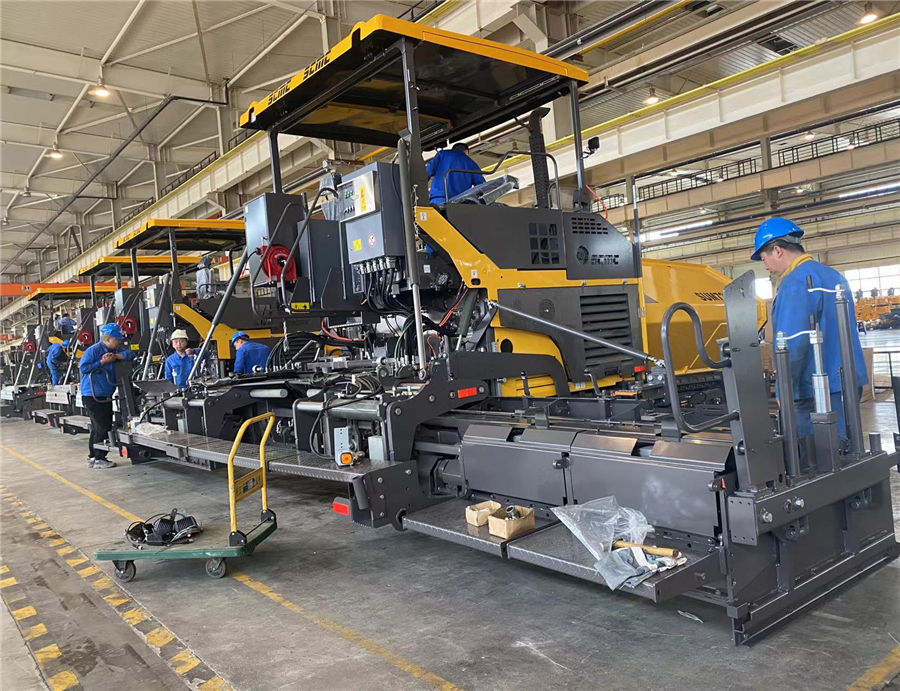
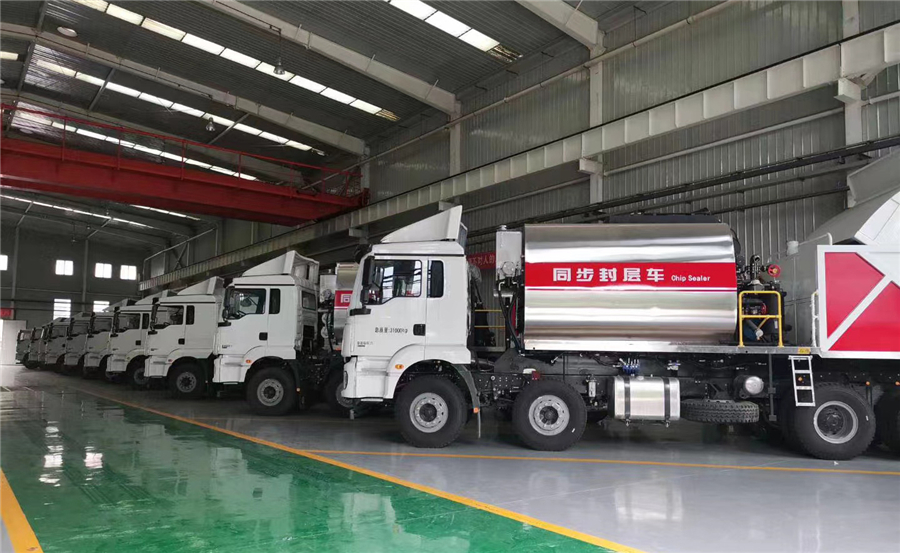
Complete product spectrum engineered by HEM Group for municipal, highway, mining, and environmental projects
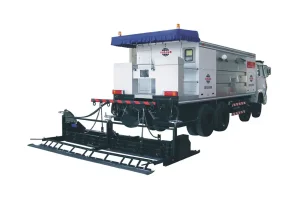
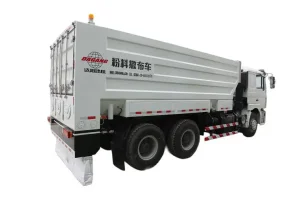
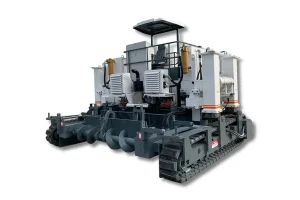
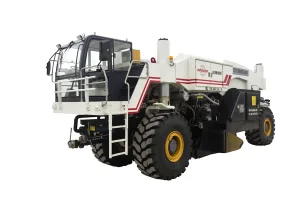
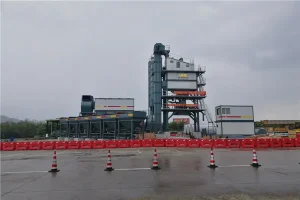
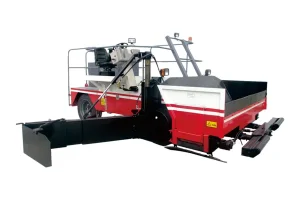
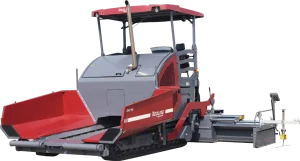
Integrates intelligent bitumen distributors, synchronous chip sealers, slurry seal pavers, cold in-place recyclers (CIPR), pavement milling machines, road wideners, shoulder pavers, concrete slip-form pavers, and drum asphalt decanters.
Comprehensive crushing and screening plants including mobile jaw crushers, mobile primary vibrating screens, mobile roller crushers, and stationary aggregate washing units designed for high-tonnage quarry mining operations.
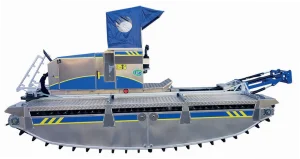
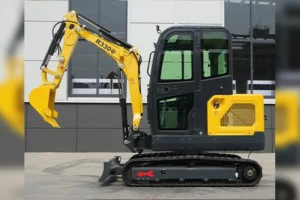
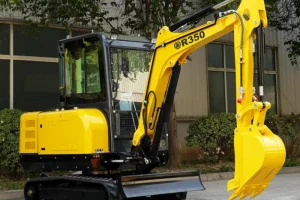
Heavy-duty road rollers, versatile mini excavators, backhoe loaders, wheel loaders, powerful bulldozers, specialized water-cleaner boat dredgers, and walking spider excavators for extreme emergency rescue terrain.
Key financial and operational considerations for international contractors purchasing asphalt fleet equipment
When procuring OEM Liquid Asphalt Tankers, purchasing managers must evaluate TCO beyond initial capital expenditure (CAPEX). High insulation performance directly yields fuel savings by minimizing burner operation hours during transit. A tanker with 100mm rockwool insulation saves up to 400 liters of diesel fuel per month on long-haul routes compared to poorly insulated alternatives.
To reduce international sea freight costs, OEM suppliers engineer asphalt tanker frames for standard Ro-Ro (Roll-on/Roll-off) vessels, Flat Rack containers, or Breakbulk shipping. Subframes can be modularized to fit inside 40ft High Cube containers for rapid assembly upon destination arrival.
Expert technical answers regarding OEM custom manufacturing, heat retention, pump capacities, and shipping
Durable solutions for daily construction, excavation, and municipal road network building
 HME Machinery