High-Quality Cold In-Place Recycler (CIPR) for Road Construction - China Factory & Suppliers for Sustainable Asphalt Solutions Supplier, Suppliers

,

Cold In-Place Recycling (CIPR) is an innovative asphalt pavement rehabilitation technique that significantly lowers the life cycle cost of pavement structures by reusing existing aggregates and asphalt materials. This environmentally-friendly process requires no heat application, thereby conserving energy and minimizing ecological impact.

,

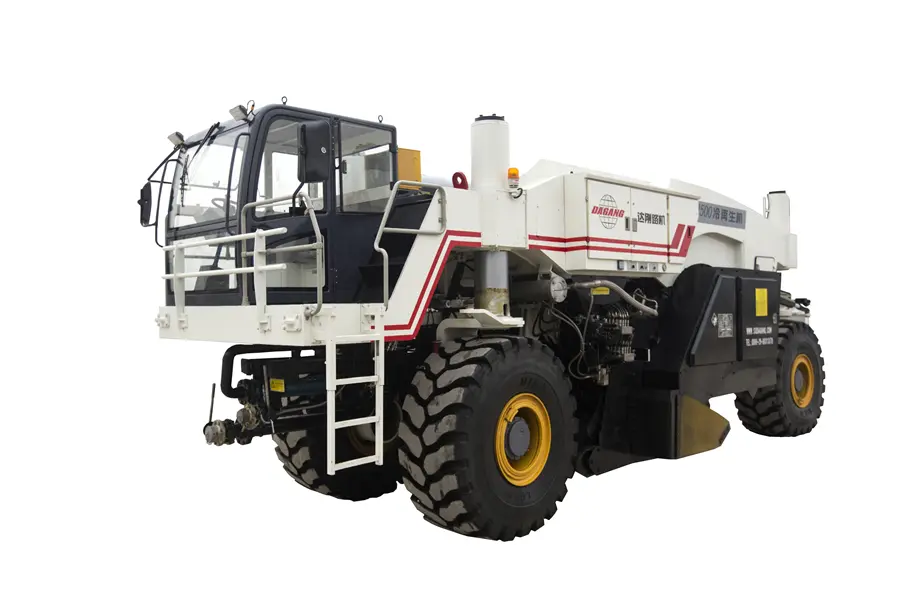
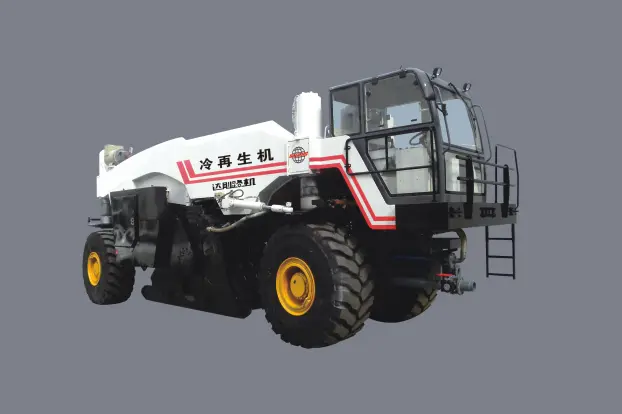
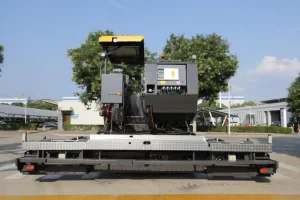
Our Cold In-Place Recycler, manufactured in China, is specifically engineered for efficient CIPR pavement rehabilitation. This advanced machine mills and granulates the existing pavement material while simultaneously mixing in binding agents and water, creating a new construction material mix in just a single pass. As a leading supplier in the industry, our factory equips cold recyclers with powerful milling and mixing rotors and highly efficient injection systems, ensuring the production of base layers with exceptional bearing capacity.

,

Product Description

Features
1
It is a bright sport of full depth cold in-place recycling technology in the development of the renewable technology on asphalt pavements in the recent ten years. It is developed on the basis of road mixing technology, mainly used for the reconstruction of road base. Full depth cold in-place recycling is the most used in-place recycling technology presently.
2
It realized the cold in-place recycling and usage of materials on old asphalt pavement and base course; therefore, the cost and time for materials transporting can be reduced greatly. It is also energy saving and low pollution during the process of construction.
3
It is used for rehabilitation, upgrading and reconstruction of the severely distressed asphalt pavement of second and third grade highway; Establish practical quality control system when used on highway; renewed materials can be used for the base course of asphalt pavement and the under layer of road with low traffic volume.
4
Can be used for the surface renovation of general rural road, in which the slurry, chip seal and micro surfacing should be applied to make the upper sealing layer.
5
It is applicable for the reconstruction of the entire pavement; It is applicable for the reinforced rebuilt work on base course; It is typically applicable for the upgrading and reconstruction of road at low grade.
Frequently Asked Questions
Q
What is full depth cold in-place recycling technology?
A
Full depth cold in-place recycling is an advanced pavement rehabilitation technique developed over the past decade. It is based on road mixing technology and is primarily used for reconstructing road bases, making it the most widely adopted in-place recycling method currently available.
Q
How does cold in-place recycling help reduce construction costs?
A
By recycling and reusing existing materials directly from the old asphalt pavement and base course on-site, the need for transporting new materials is significantly reduced. This lowers both transportation costs and construction time, while also minimizing energy consumption and pollution.
Q
What types of roads are suitable for full depth cold in-place recycling?
A
This technology is suitable for severely distressed asphalt pavements on second and third grade highways, as well as for the upgrading and reconstruction of low-grade roads. It can also be applied to rural road surface renovation and the reinforced rebuilding of base courses.
Q
Can recycled materials be reused after the cold in-place recycling process?
A
Yes. The renewed materials generated from the recycling process can be effectively reused as the base course for asphalt pavement or as the under layer for roads with low traffic volume, maximizing material efficiency and sustainability.
Q
What additional treatments are needed for rural road surface renovation using this technology?
A
When used for the surface renovation of general rural roads, supplementary treatments such as slurry sealing, chip sealing, or micro surfacing should be applied on top to form the upper sealing layer, ensuring long-term durability and performance.
Q
Is a quality control system required when applying cold in-place recycling on highways?
A
Yes. Establishing a practical and systematic quality control process is essential when this technology is applied to highway-level projects. This ensures the recycled pavement meets the required structural and performance standards for higher-traffic road environments.

Related Products