 HME Machinery
1 / 2
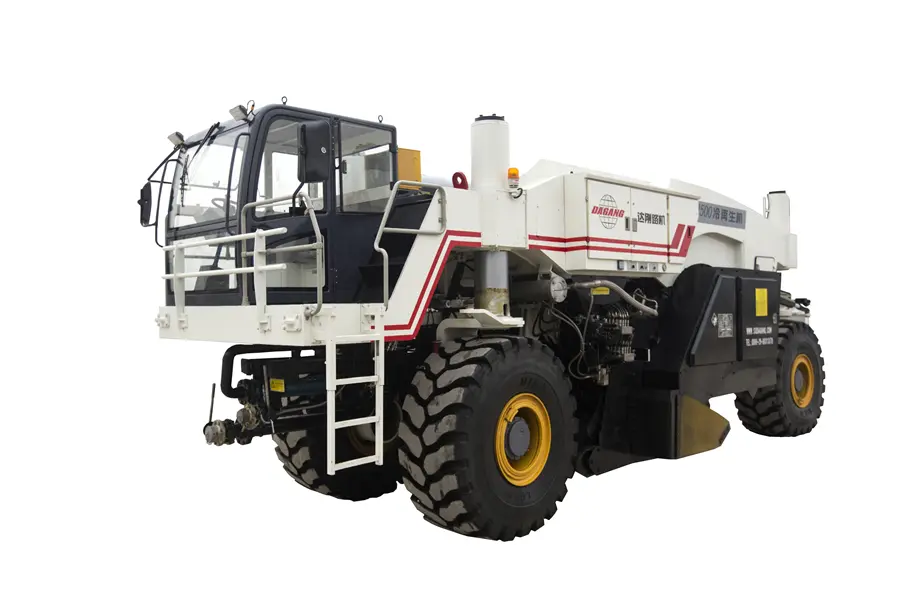
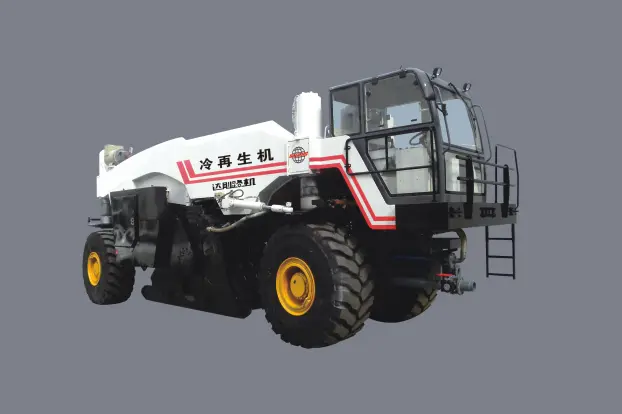
Full depth cold in-place recycling is a pavement rehabilitation technology developed on the basis of road mixing techniques. It recycles and reuses materials from old asphalt pavements and base courses directly on-site without heating, making it the most widely used in-place recycling technology today.
By reusing existing pavement and base course materials directly on-site, cold in-place recycling significantly reduces the need for transporting new materials to and old materials away from the job site. This cuts both transportation costs and construction time considerably.
This technology is primarily suited for the rehabilitation and reconstruction of severely distressed asphalt pavements on second and third grade highways, low-grade roads, and general rural roads. It is also applicable for reinforcing and rebuilding road base courses.
Yes. Since the process does not require heating of materials and reduces the need for transporting aggregates, it consumes significantly less energy and generates lower levels of pollution compared to traditional hot-mix asphalt methods, making it a more sustainable pavement solution.
For general rural road surface renovation, it is recommended to apply slurry seal, chip seal, or micro surfacing as the upper sealing layer after the cold in-place recycling process to ensure adequate surface protection and durability.
Yes. The renewed materials produced through the cold in-place recycling process can be effectively reused as the base course for asphalt pavement and as the sub-layer for roads with low traffic volume, maximizing material utilization and reducing waste.