Explore our elite fleet of synchronized chip sealers, asphalt distributors, pavers, and earthmoving machinery engineered for maximum structural longevity.
Analyzing the paradigm shift in pavement preservation, asset lifecycle optimization, and regional infrastructure dynamics.
Modern highway asset management relies heavily on preventive maintenance strategies rather than reactive full-depth rehabilitation. Chip seal pavement (also known as bituminous surface treatment or seal coat) has emerged as the premier global solution for extending asphalt pavement service life by 5 to 8 years at a fraction of the cost of traditional mill-and-overlay projects.
By applying a precisely metered layer of liquid asphalt emulsion followed immediately by a uniform layer of aggregate chips, chip sealing creates a waterproof, skid-resistant, and highly durable wearing course. This technology seals micro-cracks, prevents moisture intrusion into the subbase, restores surface friction, and protects the underlying structural asphalt from UV degradation and oxidation.
“Industry studies confirm that every $1 spent on timely chip seal preventive maintenance saves up to $6 to $10 in future heavy structural rehabilitation costs.”
As municipal budgets and national highway authorities face tighter financial constraints, demand for advanced, computer-controlled synchronized chip sealers manufactured in China has surged worldwide. Leading Chinese OEMs like HEM Group / HME TOP Machinery lead this transformation by providing high-precision metering systems that guarantee zero aggregate loss and flawless binder-chip bonding.
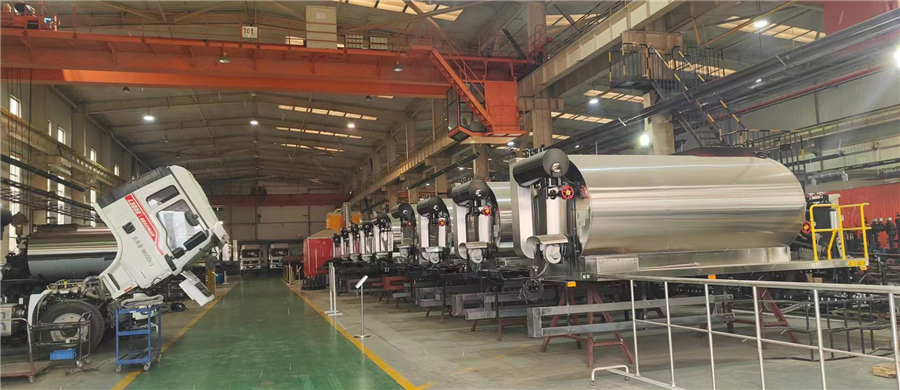
Integrating mechanical dynamics, hydraulic precision, and intelligent AI electronic controls into chip seal machinery.
Eliminates time lag between asphalt emulsion spraying and aggregate chipping. By executing both actions within 0.2 seconds from a single chassis, binder temperature drop is minimized, achieving an optimal 70% aggregate embedding depth.
Equipped with doppler radar vehicle speed sensors and micro-computer controlled hydraulic pumps, our chip sealers adjust binder application rates in real time regardless of driving speed variations, guaranteeing ±1% accuracy.
Integrated heat exchanger units powered by high-efficiency burners ensure rapid bitumen heating without localized overheating or asphalt aging. Continuous internal circulation prevents line clogging and nozzle crystallization.
Advanced models incorporate inline fiberglass shredders, sandwiching chopped glass fibers between two layers of emulsion. This drastically improves tensile strength, resistance to reflective cracking, and fatigue endurance under heavy traffic.
Engineered for seamless integration onto standard commercial truck chassis (Howo, Shacman, Volvo, MAN). Features high-definition rear cameras, touch-screen cabin control panels, and manual override safety systems.
Specifically designed spray nozzles and heavy-duty high-viscosity pumps capable of handling crumb-rubber modified asphalt (CRMA), polymer-modified bitumen (PMB), and bio-based low-carbon emulsions seamlessly.
From extreme desert corridors to freezing alpine expressways—tailored engineering solutions for diverse geological terrains.
In heavy freight corridors, micro-cracks allow moisture to infiltrate the subbase, causing rapid formation of potholes and alligator cracking. Deploying an intelligent synchronized chip sealer with polymer-modified bitumen seals the pavement structure instantly, preventing costly deep repairs without requiring prolonged lane closures.
For developing regions across Africa, Southeast Asia, and Latin America, constructing full-depth asphalt concrete roads over thousands of kilometers is cost-prohibitive. Chip seal paving offers a high-performance, cost-effective alternative for converting unpaved gravel roads into sealed, dust-free, and waterproof modern transit routes.
Frequent aircraft landings burn off pavement texture, resulting in reduced friction co-efficients. Specialized fine-aggregate chip sealing restores high macro-texture friction levels, ensuring safe braking distances under wet weather conditions without compromising runway smoothness.
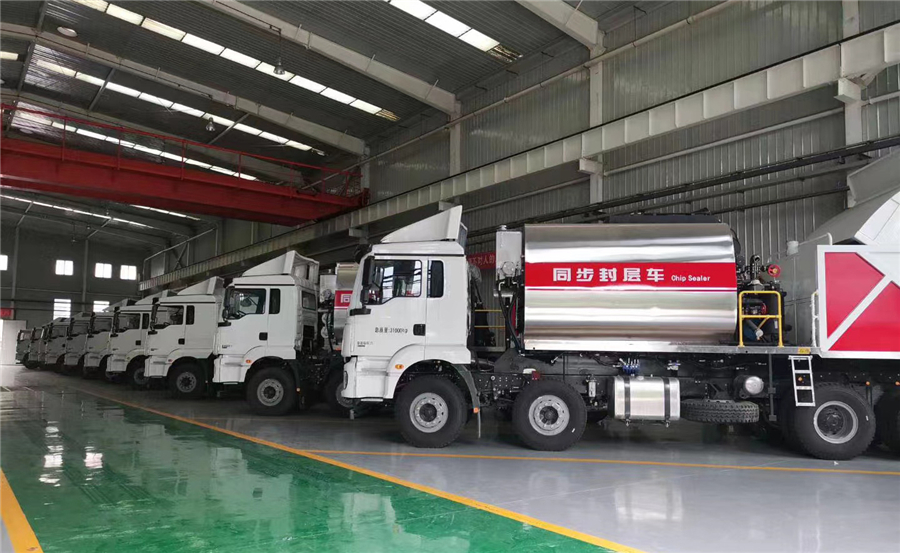
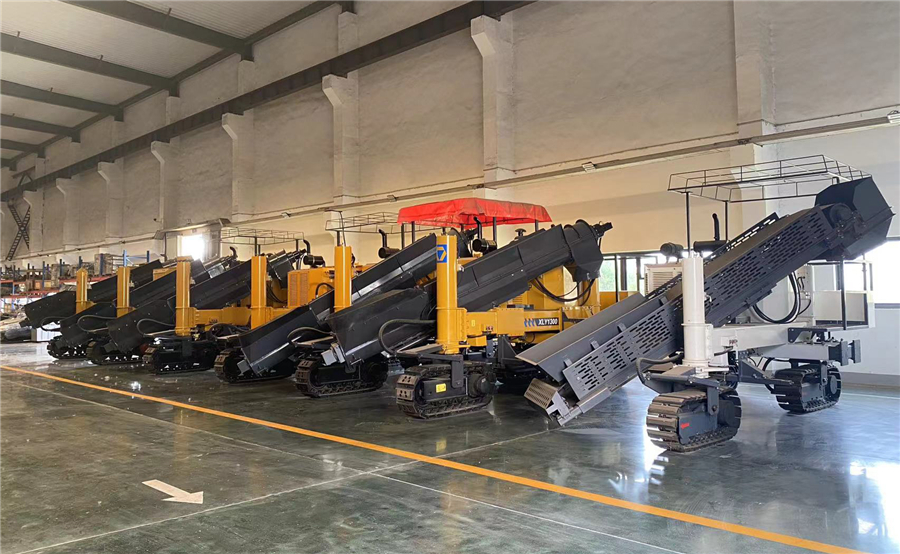
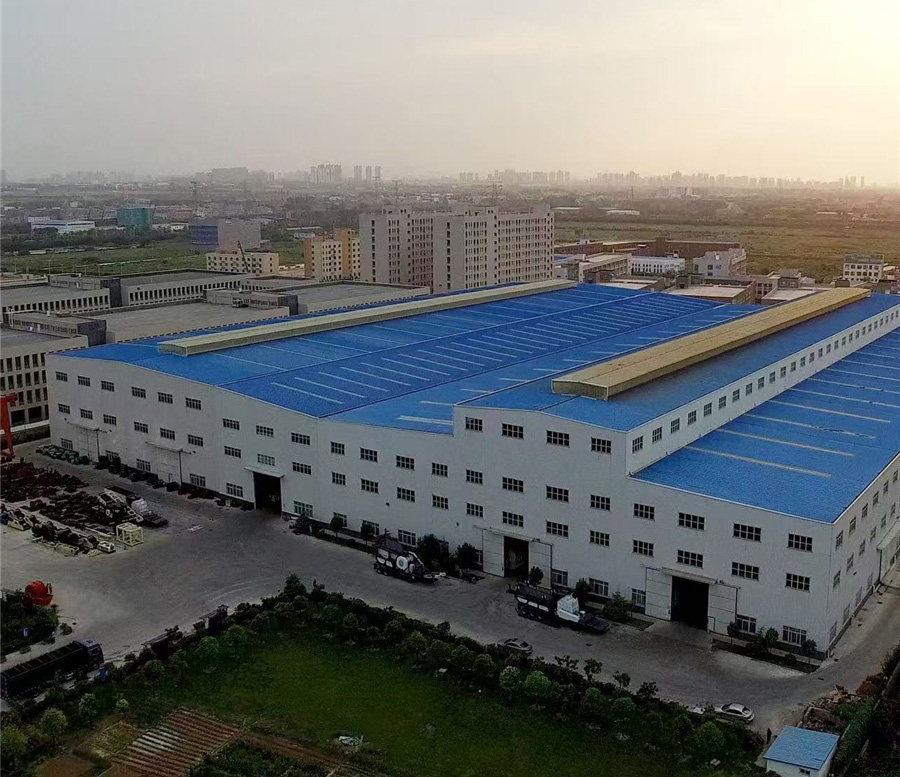
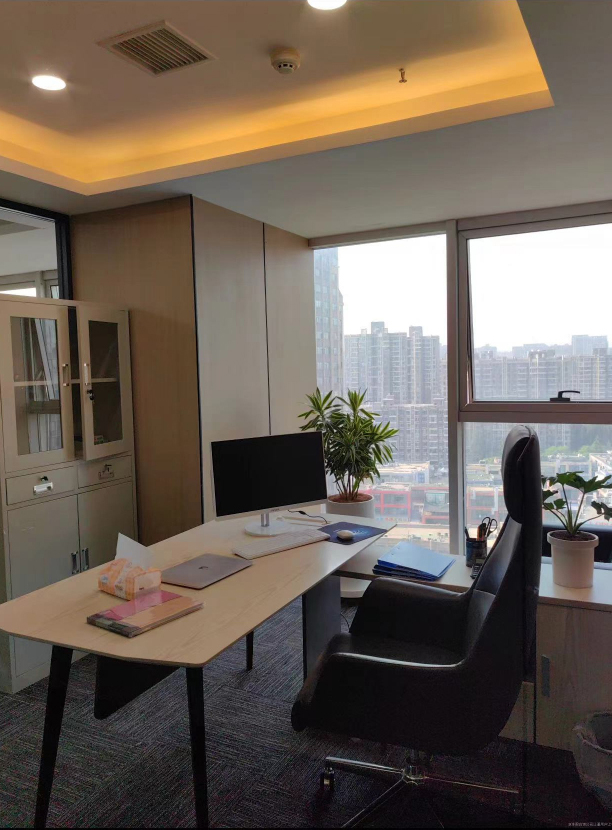
Founded by Chang'an University highway engineering professors in 1998—Pioneering road maintenance machinery technology for over 25 years.
HEM Group was established in 1998 (originally Xi'an Hongda Communications Technology Co., Ltd.) by academic professors from Chang'an University—China's legendary "West Point" for highway engineering and heavy machinery design. We stand as one of the earliest high-tech enterprises dedicated to independent R&D of road construction and maintenance machinery in China.
In 2006, the Shaanxi Provincial Department of Science and Technology recognized us as a official High-Tech Enterprise. To serve our global clientele, we established HME TOP Machinery Equipment Co., Ltd. in 2017 to manage international technical exchanges, customs logistics, field commissioning, and localized spare parts distribution.




Expert insights addressing machinery selection, binder chemistry, construction logistics, and ROI calculations.
Traditional two-step chip sealing leaves a time delay between binder spraying and aggregate spreading. During this delay, asphalt emulsion cools rapidly, losing up to 30% of its surface energy and adhesive capability. A synchronized chip sealer sprays bitumen and drops aggregate within a fraction of a second from a single vehicle frame. This guarantees that aggregate chips embed deeply into the hot, highly liquid binder, maximizing bond strength, preventing aggregate dislodgement (chip loss), and reducing windshield damage risks for traffic.
For high-temperature desert climates (e.g., Middle East, Sub-Saharan Africa), polymer-modified cationic rapid-setting emulsions (such as CRS-2P) or high-viscosity rubberized asphalt are recommended to prevent bleeding and tracking. For cold northern regions (e.g., Central Asia, Eastern Europe), quick-setting modified emulsions with higher elasticity (such as SBS-modified binder) ensure resistance against thermal contraction cracking and snowplow abrasion during sub-zero winters.
Manual or semi-automated spreaders suffer from rate fluctuations during vehicle acceleration or deceleration, leading to binder waste (fatty spots) or thin coverage (raveling). Our intelligent micro-computer system uses closed-loop radar feedback to control hydraulic displacement pumps. Whether the chassis travels at 3 km/h or 12 km/h, the binder spray rate (kg/m²) and aggregate spreading rate (L/m²) remain constant within a ±1% tolerance. This precise calibration typically saves contractors 8% to 15% in raw material costs per project.
Yes. HEM Group’s SS-series and synchronized chip sealers are available with specialized rubber-asphalt packages. These feature large-clearance high-duty asphalt pumps, stainless steel heating coils, reinforced mechanical agitation shafts inside the tank, and self-cleaning pneumatic spray nozzles designed specifically to handle highly viscous bitumen containing up to 20% ground tire rubber without clogging.
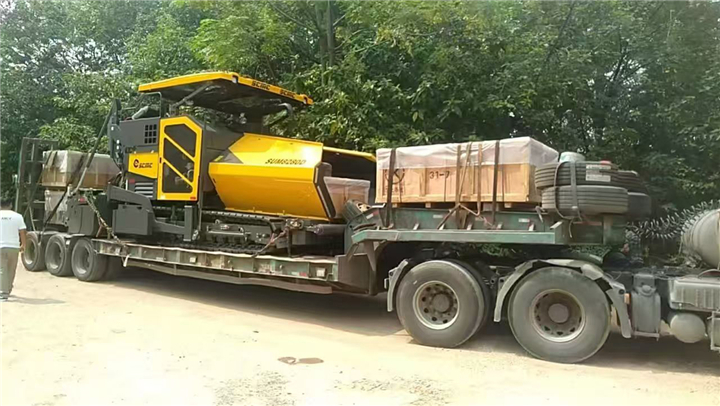
Through our dedicated export branch HME TOP Machinery Equipment Co., Ltd., we maintain active service hubs, regional spare parts warehouses, and factory-trained field engineers across Russia, Malaysia, South Africa, Uzbekistan, Ghana, Kenya, Indonesia, and Sri Lanka. We offer 24-hour online technical support, video diagnostic sessions, remote PLC software upgrades, and fast-track air freight for critical wear parts to minimize machine downtime.
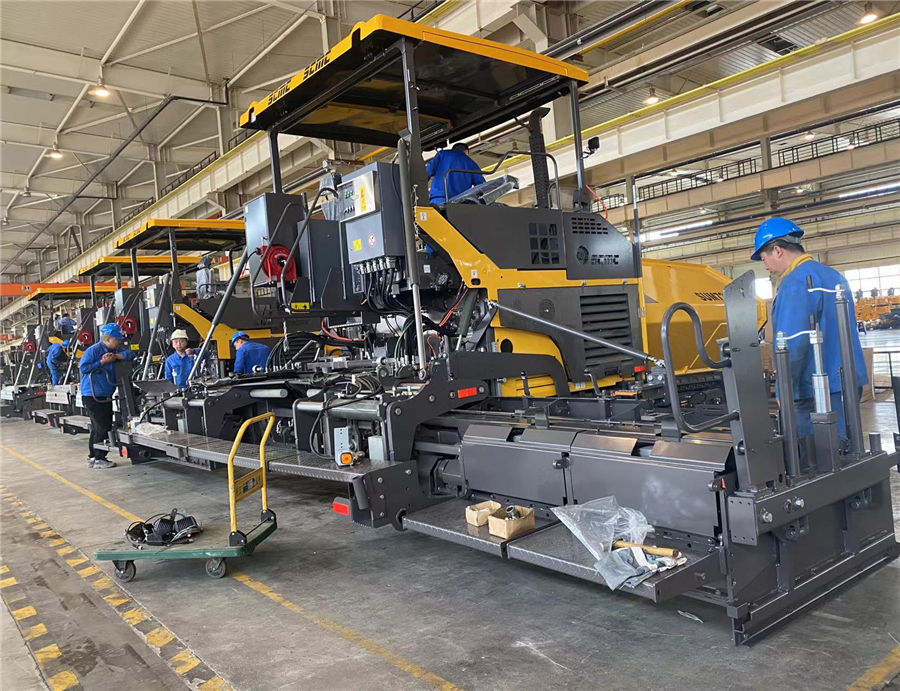
Discover our comprehensive range of specialized pavement machinery, recyclers, and aggregate spreaders.
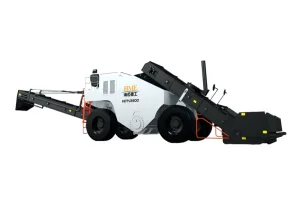
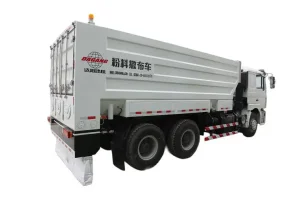
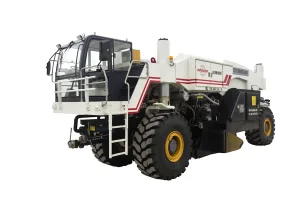
 HME Machinery