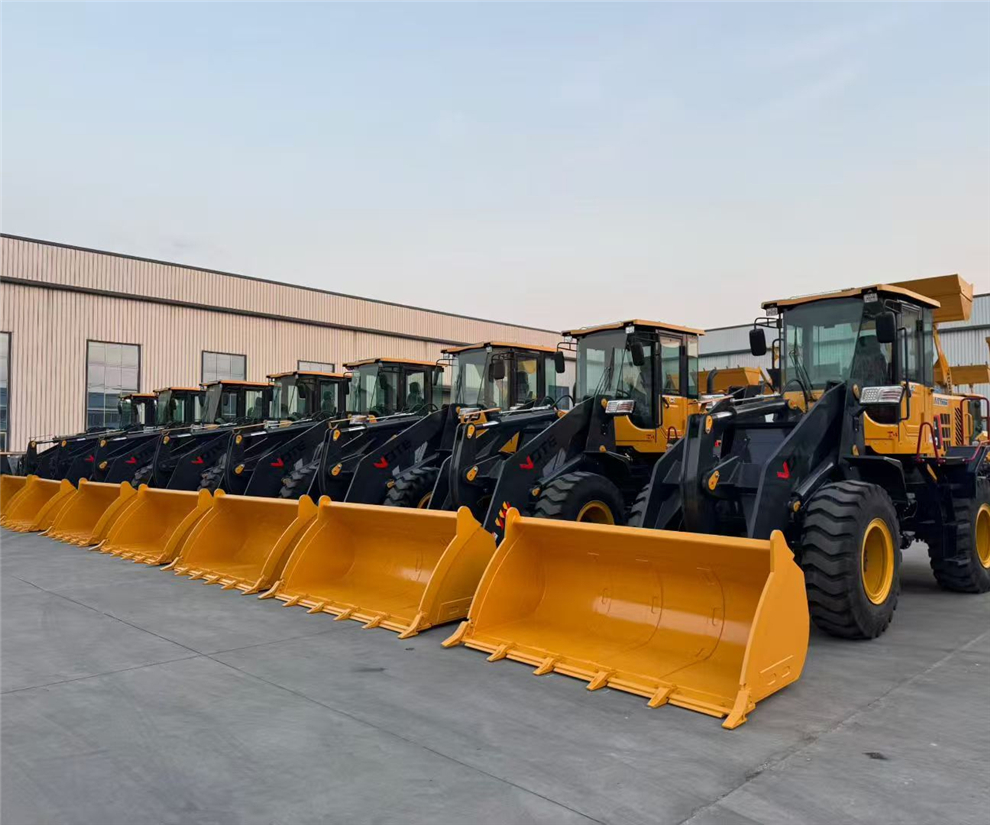
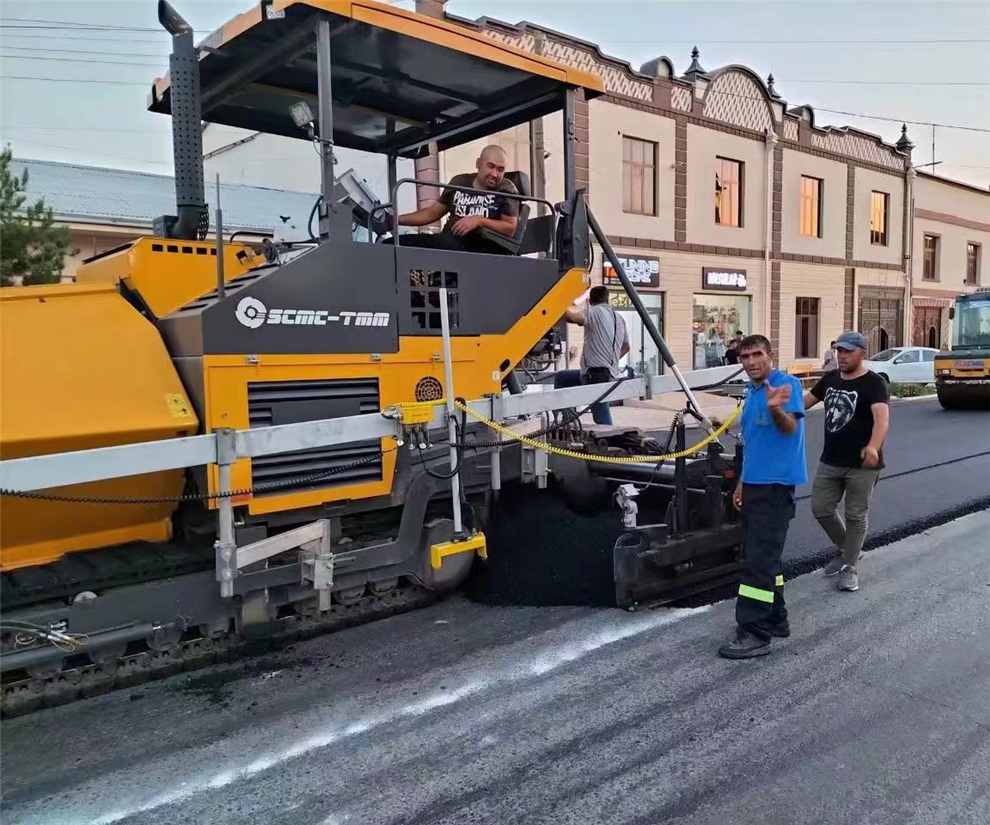
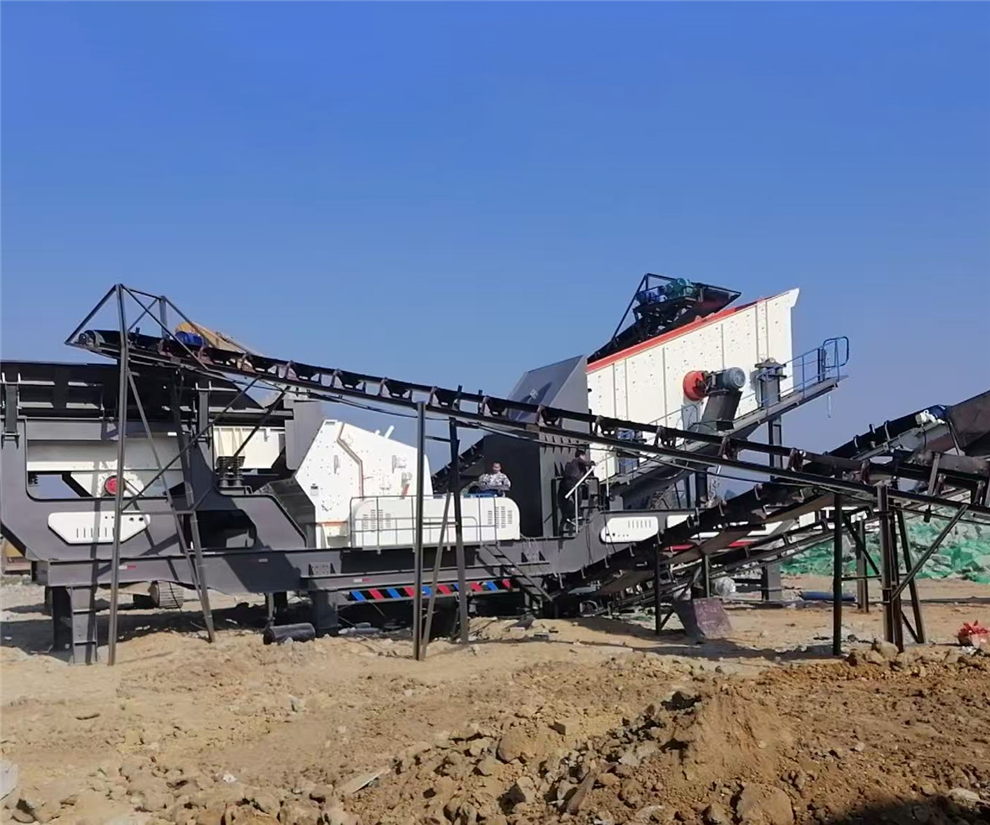
Explore our core industrial solutions engineered with precise hydraulic matching, digital dosing control, and heavy-duty structural integrity.
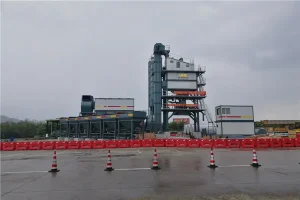
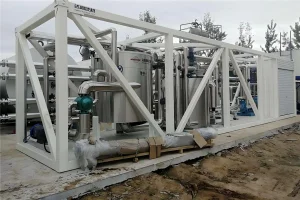
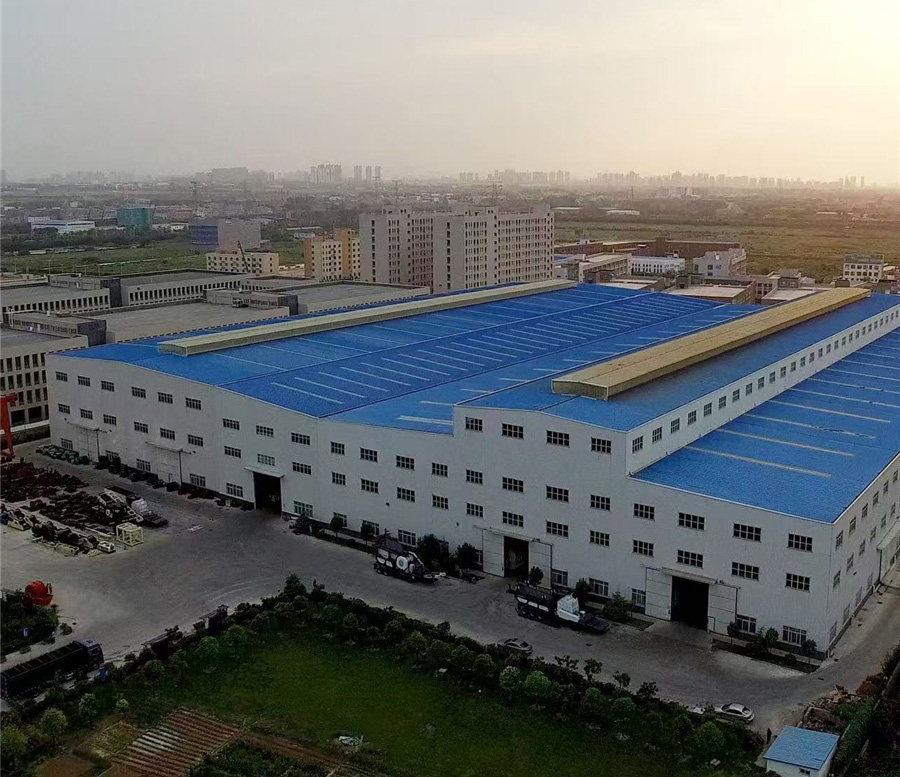
HEM Group was founded in 1998 by a distinguished group of professors from Chang'an University—China's premier institution for highway engineering, pavement science, and heavy machinery development—alongside key veteran experts from the road building industry. Originally established as Xi'an Hongda Communications Technology Co., Ltd., the company represents one of the earliest high-tech enterprises dedicated to independent research, design, and manufacture of advanced road construction and maintenance equipment in China.
From its origin, HEM Group has adhered strictly to high-tech R&D excellence, aiming to build a top-tier international brand for Chinese construction machinery. Our engineering teams have achieved groundbreaking invention patents in mechanical dynamics, engine-hydraulic power matching, high-shear emulsification fluid mechanics, and digital electronic spray synchronization. In 2006, our technological leadership was formally acknowledged when we were certified as a "High-Tech Enterprise" by the Shaanxi Provincial Department of Science and Technology.
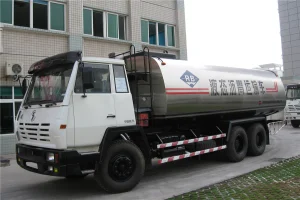
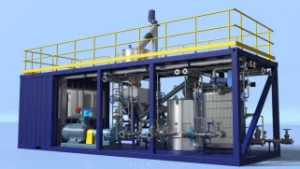
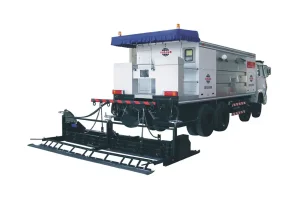
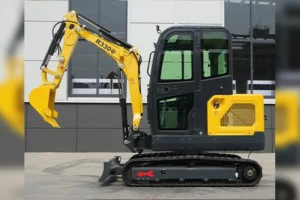
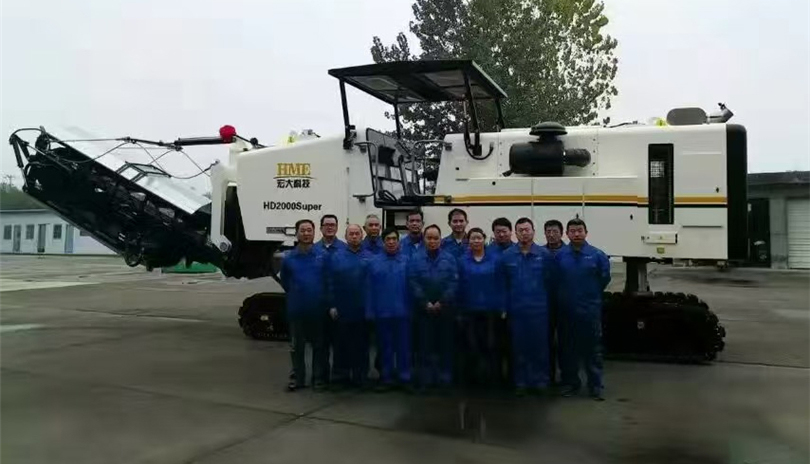
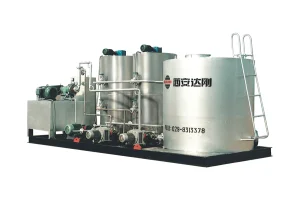
To serve our international clientele seamlessly, HEM Group established its dedicated international trading and technical support subsidiary, HME TOP Machinery Equipment Co., Ltd. in 2017. Today, our integrated product line spans the entire road pavement lifecycle—including intelligent emulsion sprayers, bitumen emulsification plants, slurry seal pavers, chip sealers, milling machines, asphalt pavers, mobile crushers, and heavy earthmoving equipment.
A comprehensive examination of fluid dynamic stability, micro-computerized application accuracy, and cold-mix pavement maintenance paradigms.
The global road maintenance and highway construction sector is experiencing a monumental shift toward decarbonization and reduced energy footprint paving solutions. Traditional hot-mix asphalt (HMA) processes demand high thermal consumption (often exceeding 160°C to 180°C), resulting in elevated greenhouse gas emissions and high fuel expenditure. Consequently, bitumen emulsion sprayer equipment and asphalt emulsification plants have emerged as critical technological vectors for sustainable infrastructure.
Bitumen emulsions—comprising bitumen droplets dispersed in an aqueous phase stabilized by cationic or anionic surfactant chemistry—allow for application at significantly reduced ambient or semi-warm temperatures (ranging from 40°C to 70°C). Modern high-quality emulsion sprayers facilitate cold in-place recycling (CIPR), micro-surfacing, fog sealing, and high-precision tack coat application. Equipment manufacturers must now design machinery capable of processing modified emulsions containing SBS polymers, crumb rubber, and bio-based viscosity modifiers without compromising spray pattern uniformity or causing shearing breakdown inside pump assemblies.
Unlike standard hot bitumen, bitumen emulsions are shear-sensitive colloidal suspensions. Passing emulsion through ill-fitted mechanical gear pumps or restricted piping causes premature "breaking" (coalescence of bitumen droplets) inside the equipment, leading to catastrophic nozzle clogging and pump lockup. High-quality emulsion sprayer manufacturers address this via custom-engineered progressive cavity pumps, low-RPM positive displacement pumps, and thermal fluid jackets that prevent temperature gradient shocks during initial startup.
Delamination between structural asphalt lifts remains one of the primary catalysts for fatigue cracking, pothole formation, and reflective cracking in heavy-duty highways. A fundamental root cause identified by transport authorities worldwide is non-uniform tack coat coverage. Standard legacy spray trucks suffer from road-speed lag, leading to heavy streaking, over-application in deceleration zones, and insufficient application during acceleration.
Advanced intelligent bitumen distributors and emulsion sprayers engineered by HME TOP Machinery solve these challenges through three synchronized subsystems:
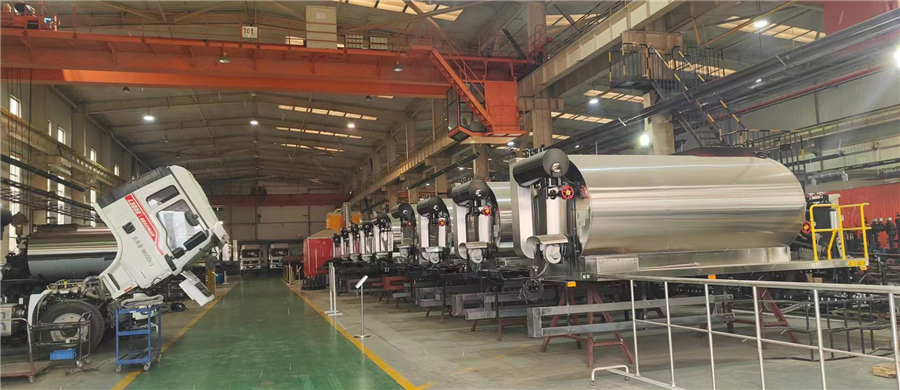
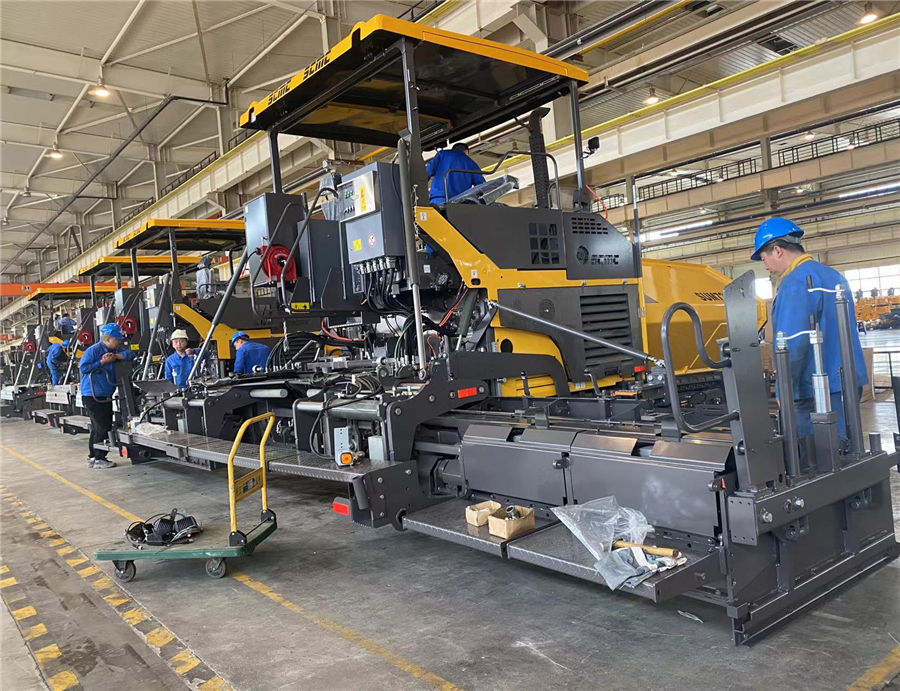
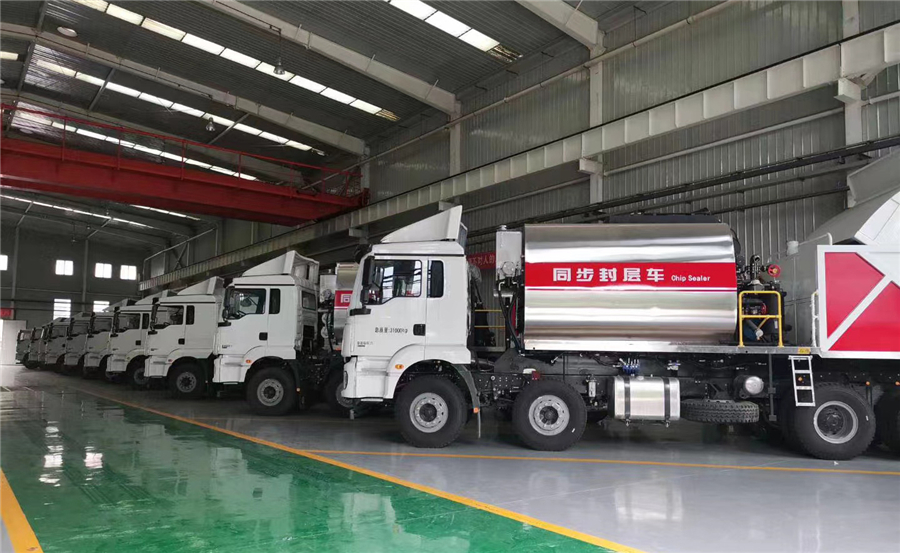
When international contractors, municipal public works departments, and heavy machinery distributors source emulsion sprayer equipment, evaluating technical parameters against project specifications is imperative. The table below outlines key technical considerations during tender evaluation:
| Engineering Domain | Standard OEM Sprayers | HEM Group / HME TOP Next-Gen Sprayers |
|---|---|---|
| Flow Control Method | Manual Valve / Engine Speed Linked | Radar Closed-Loop Dynamic Proportional Valve |
| Spray Rate Accuracy | ± 5% to 8% Variance | Within ± 1% Precise Application Rate |
| Fluid Heating System | Direct Diesel Fire Burner (Hot Spot Risks) | Thermal Oil Automatic Heating + Heat Exchanger |
| Cleaning / Flushing | Manual Diesel Tank Flush | Dual High-Pressure Diesel & Air Auto Blow-Back |
| Nozzle Actuation | Ganged Mechanical Lever Control | Individual Pneumatic Solenoid Touch-Screen Control |
Integrating academic engineering rigor, customizable manufacturing, and localized global field service.
Engineered by Chang'an University professors with proven technical authority in hydraulic dynamic transmission, power matching, and electronic spray control.
Complete OEM capabilities to adapt tank capacity (3,000L to 16,000L), chassis compatibility (Sinotruk, ISUZU, MAN, FAW), and localized environmental packages.
We provide end-to-end guidance including emulsion formulation consultation, asphalt modified additives recommendation, and site-level mix process optimization.
Rapid round-the-clock technical dispatch, remote telematics troubleshooting, on-site commissioning, and comprehensive operator safety training.
Dedicated distribution, service engineers, and spare parts depots situated in Russia, Malaysia, South Africa, Uzbekistan, Ghana, Kenya, Indonesia, and Sri Lanka.
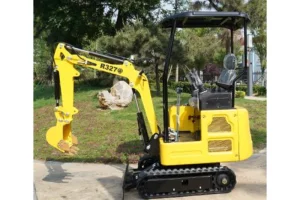
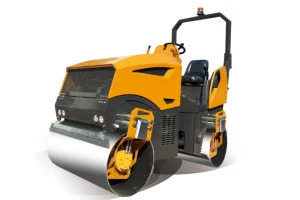
One-stop equipment sourcing ranging from asphalt plants, chip sealers, and micro-surfacing machinery to crushers, rollers, and walking excavators.
Delivering high-reliability machinery tailored to challenging climate zones and rigorous highway engineering standards.
Serving major state contractors and private engineering fleets across South Asia, Southeast Asia, Africa, the Middle East, Eurasia, and Latin America.



Pioneering autonomous spray pattern verification, zero-emission electric chassis integration, and cloud-connected fleet diagnostic systems.
Integration of downward-facing LiDAR and high-speed infrared optical sensors. The system continuously evaluates real-time spray density and detects clogged nozzles instantly, adjusting individual pneumatic solenoids automatically without operator intervention.
Replacing auxiliary diesel engines powering hydraulic pumps with high-torque lithium-iron-phosphate (LFP) electric drive motors. This eliminates job site auxiliary emissions, reduces urban noise pollution by 60%, and drastically reduces operational fuel expenses.
Cloud-synchronized fleet management dashboards streaming real-time binder usage, spray bar temperature, GPS location, and binder application thickness logs directly to government quality assurance portals for instant project compliance verification.
Expert insights answering critical questions faced by paving contractors, procurement officers, and highway engineers.
While both machines spray liquid asphalt binders, dedicated high-quality emulsion sprayers feature specialized low-shear fluid pumps (such as progressive cavity pumps or specialized rotary gear pumps) and gentle thermal heating loops specifically designed to handle cold or warm bitumen emulsions. Emulsions contain water and emulsifying agents that can break prematurely if subjected to extreme mechanical shearing or localized overheating common in standard heavy-viscosity asphalt distributors.
Our dynamic speed compensation system uses a ground-oriented Doppler radar sensor to monitor exact vehicle travel speed. The central CAN-bus computer calculates real-time speed variations and dynamically adjusts a proportional hydraulic valve supplying the emulsion pump. If the vehicle slows down, pump displacement decreases proportionally, maintaining a exact pre-set application rate (e.g., 0.40 kg/m²) within ±1% accuracy.
Yes. HME TOP equipment is specifically engineered for polymer-modified bitumen emulsions (containing SBS, SBR, or EVA polymers) and rubberized asphalt emulsions. Our systems feature high-torque hydraulic drives, thermal oil jacketing along the entire fluid path (including spray bar and pump body), and reinforced stainless-steel spray nozzles designed to prevent clogging from highly viscous modified binders.
Our equipment features a dual-stage automated cleaning system. Upon job completion, an automated pneumatic blow-back system forces remaining emulsion out of the spray bar back into the main tank using compressed air. Subsequently, a high-pressure diesel flushing cycle circulates cleaning solvent through the internal lines and nozzles, guaranteeing that no residual binder cools and solidifies within the fluid circuit.
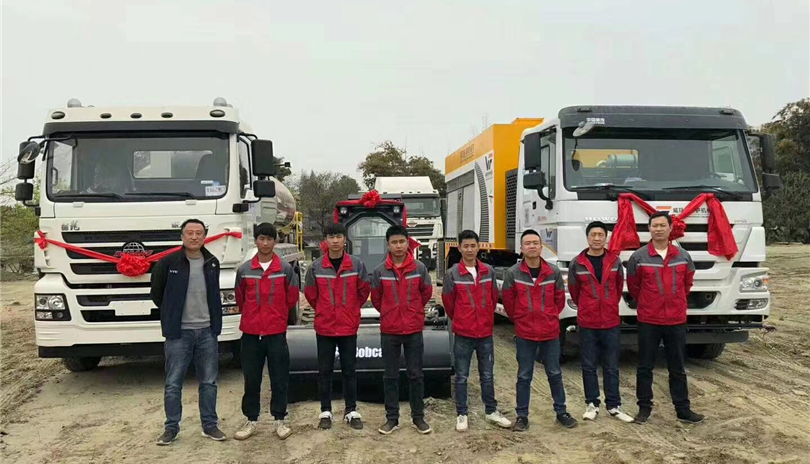
We offer self-powered skid-mounted units, trailer-mounted sprayers, and fully integrated truck-mounted distributors. We routinely customize equipment mounting frames to fit global truck chassis platforms including Sinotruk, ISUZU, MAN, FAW, Dongfeng, Mercedes-Benz, and Volvo, accommodating tank capacities from 3,000 Liters up to 16,000 Liters.
Through our dedicated export division HME TOP Machinery Equipment Co., Ltd. and regional distribution centers in Russia, Malaysia, South Africa, Uzbekistan, Ghana, Kenya, Indonesia, and Sri Lanka, we provide fast-dispatch OEM spare parts, remote electronic telematics diagnostics, and on-site field engineering assistance to minimize equipment downtime.
Explore our comprehensive industrial catalog designed to meet the demands of global municipal and heavy civil tenders.

 HME Machinery