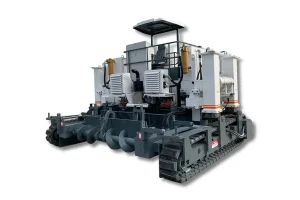
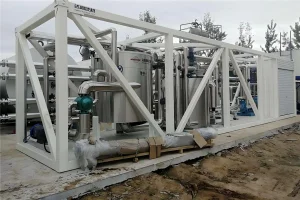
Explore our top-tier asphalt maintenance units, precision sand sealers, pavers, and heavy earthmoving solutions engineered for worldwide infrastructure projects.
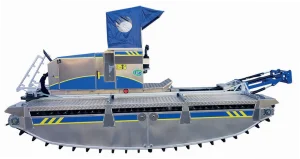
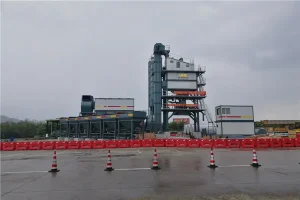
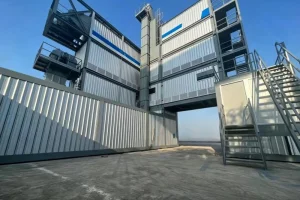
Understanding the critical engineering role of pavement sand seals in modern asset management, life-cycle extending surface treatments, and municipal infrastructure sustainability.
A Pavement Sand Seal is an advanced preventive road maintenance application consisting of a carefully metered spray application of asphalt emulsion (typically polymer-modified cationic or anionic emulsified bitumen) immediately followed by a uniform, controlled coverage of fine aggregate or clean quartz sand (gradation ranging from 0.075mm to 2.36mm). Unlike traditional coarse chip seals, pavement sand seals are specifically designed to fill minor hairline surface cracks, lock loose aggregate in oxidized asphalt surfaces, reinstate surface macro-texture, and form a impermeable seal against water intrusion and ultraviolet radiation degradation.
In modern asphalt pavement management programs, oxidation and moisture damage are the leading causes of premature pavement failure. As bitumen ages, volatiles evaporate, leading to brittle surface cracking, micro-fissures, and loss of fine mineral aggregates (raveling). By applying a high-performance sand seal mixture engineered with specialized emulsifiers and rubberized polymers, highway engineers effectively restore the chemical equilibrium of the binder layer, waterproofing the structure and adding 3 to 7 years of structural service life to existing roadways.
Across the globe, municipal transportation departments and private concessionaires face shrinking maintenance budgets paired with rising traffic densities and extreme weather anomalies caused by global climate shifts. Conventional reactive maintenance—waiting for alligator cracks and deep potholes to manifest before performing mill-and-overlay paving—is no longer financially or environmentally viable.
Global transportation research demonstrates that every $1 spent on timely preventive maintenance like Pavement Sand Sealing prevents spending $4 to $10 on future structural rehabilitation. Furthermore, cold-applied emulsion sand seals drastically cut carbon emissions compared to hot-mix asphalt (HMA) production by eliminating energy-intensive burner heating during placement.
| Pavement Treatment Type | Typical Thickness | Primary Function | Relative Cost / m² | Service Life Added |
|---|---|---|---|---|
| Pavement Sand Seal | 1.5 mm – 3.0 mm | Crack sealing, waterproofing, texture restoration, raveling arrest | Low ($1.20 - $2.50) | 3 to 6 Years |
| Fog Seal | 0.2 mm – 0.5 mm | Minor binder rejuvenation, temporary dust control | Very Low ($0.50 - $0.90) | 1 to 2 Years |
| Synchronized Chip Seal | 6.0 mm – 10.0 mm | Heavy friction renewal, high traffic sealing | Medium ($3.00 - $5.50) | 4 to 7 Years |
| Micro-Surfacing | 3.0 mm – 9.0 mm | Rut filling, heavy structural profile correction | High ($5.00 - $9.00) | 6 to 9 Years |
| Thin Hot-Mix Overlay | 25.0 mm – 50.0 mm | Structural reinforcement, riding quality renewal | Very High ($12.00 - $22.00) | 8 to 12 Years |
Deep dive into polymer-modified emulsion chemistry, precise sand gradation matrices, and automated continuous mixing equipment design.
Emulsified asphalt chemistry requires fine control. We utilize Cationic Rapid Set (CRS-2P) or Slow-Setting polymer modified emulsions (CSS-1h) fortified with SBR latex or SBS polymers to maximize tensile adhesion, elasticity, and resistance to high-temperature bleed and low-temperature thermal cracking.
The aggregate selection demands washed silica, crushed basalt, or granite sand free from clay and organic debris. Strict adherence to ASTM D1073 ensures an ideal packing density, optimized void ratio, and superior skid-resistance coefficient (SRV > 55) after compaction.
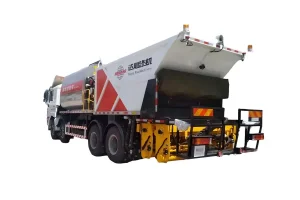
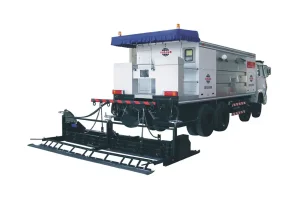
Our self-propelled sand seal spreaders and slurry units integrate CAN-bus micro-processing, real-time speed monitoring radars, and dynamic flow-control valves to deliver precise, ripple-free emulsion dosage across variable paving widths.
The resulting matrix acts as a monolithic barrier. Fine silica sand aggregates nest tight into micro-voids, forming a wear-resistant skin that stops oxidized asphalt particles from shearing under heavy traffic stresses.
Combining Chang'an University's academic research legacy with world-class engineering execution.
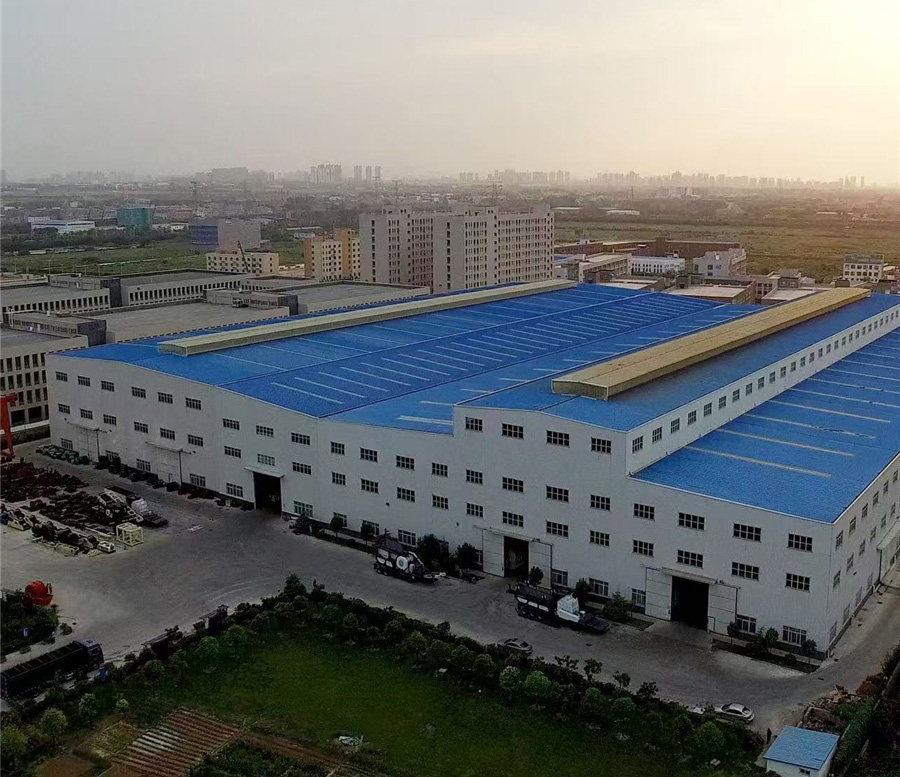
HEM Group was founded in 1998 by a distinguished group of professors from Chang'an University—China's premier academic institution for highway engineering—and top industrial experts in the road building sector. Originally established as Xi'an Hongda Communications Technology Co., Ltd., it stands as the earliest high-tech enterprise dedicated to independent research, dynamic simulation, and mechanical design of road construction equipment in China.
Recognized in 2006 as an official "High-tech Enterprise" by the Shaanxi Provincial Department of Science and Technology, our group holds dozens of invention patents across mechanical dynamics, hydraulic transmission technology, engine power matching, and digital electronic control systems.
In 2017, to expand our global technical exchanges and serve international contractors directly, HME TOP Machinery Equipment Co., Ltd. was established as our dedicated export brand, providing complete high-end road construction and maintenance solutions worldwide.
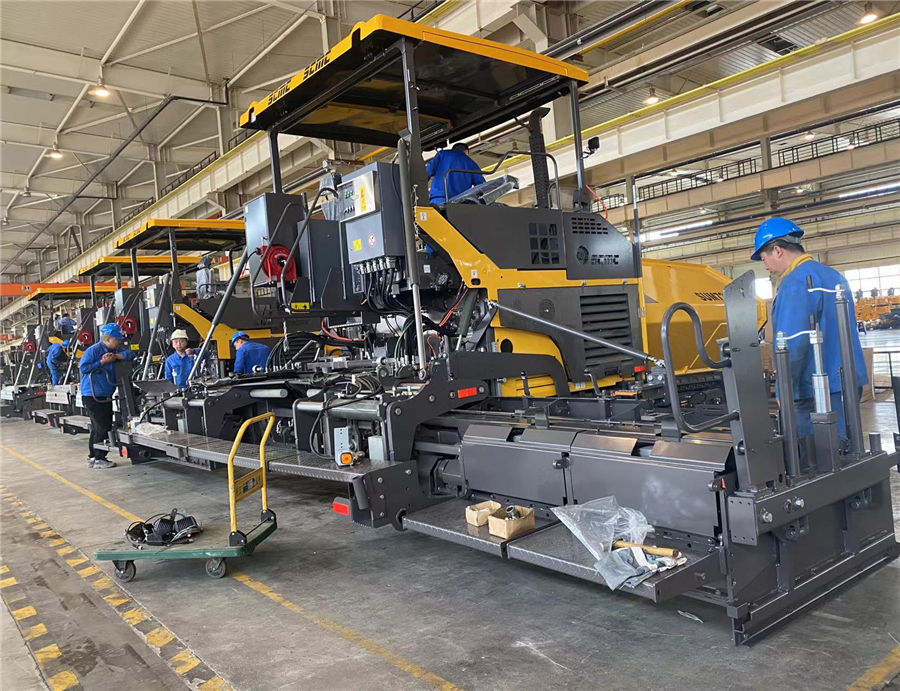
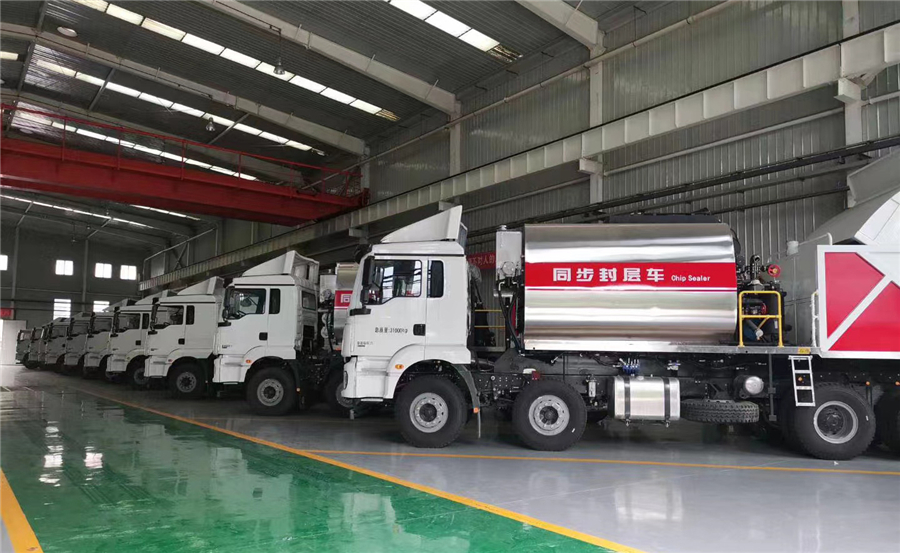
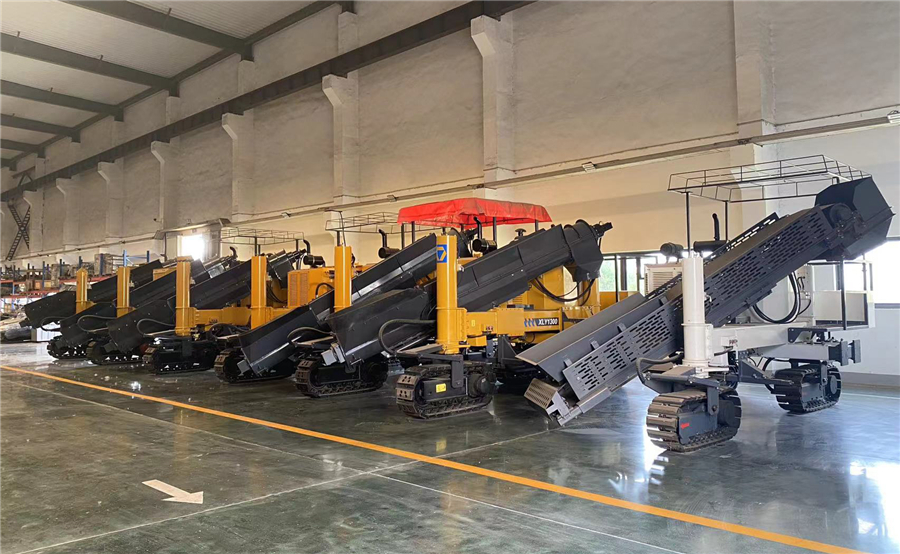
Engineered to excel across diverse climatic zones—from tropical high-humidity environments to arid sub-zero conditions.
Utilized as a high-speed preventive preservation laydown on shoulders and lane surfaces to arrest aggregate loss, seal longitudinal joint cracks, and enhance wet-weather friction without altering roadway clearances.
Airport taxiways and aprons demand zero Foreign Object Debris (FOD). Sand sealing binds loose pavement sand and micro-chips tightly, preventing stone ingestion into modern jet turbines.
Ideal for municipal residential streets, industrial park logistics corridors, and commercial parking lots where rapid curing (traffic reopening within 2 to 4 hours) is essential to eliminate public disruption.
Cost-effective sealing solution for low-volume rural roads in emerging markets, extending existing paved assets without requiring expensive hot asphalt batch plants on site.
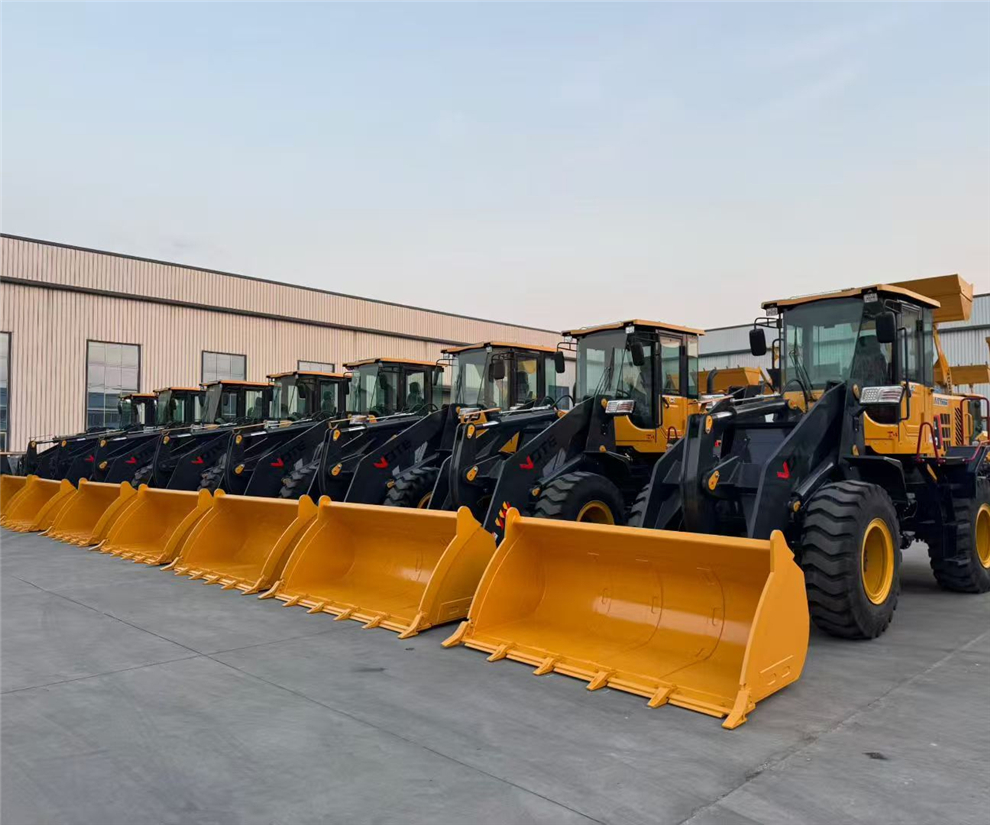
Beyond specialized pavement sealing units, HME TOP Machinery manufactures a complete ecosystem of construction equipment. Our machinery operates seamlessly together on major civil engineering sites worldwide.
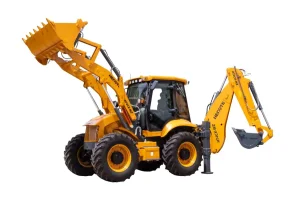
From initial earthwork preparation using our Heavy Excavators, Wheel Loaders, and Backhoes, to base compaction, asphalt batching, slip-form paving, and long-term preventive sand sealing—we provide contractors with one-stop technical synergy and equipment reliability.
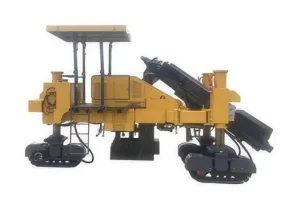
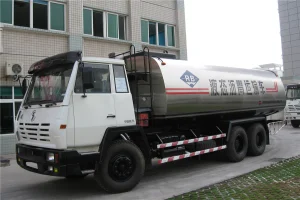
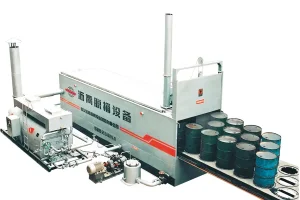
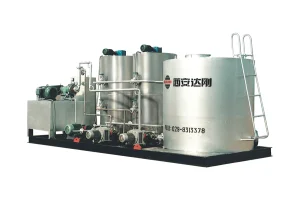
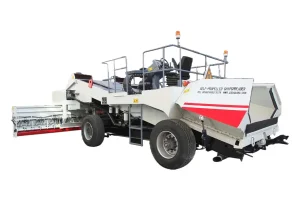
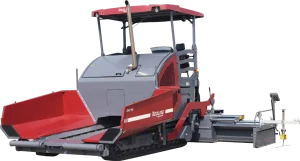
Our heavy equipment range includes Asphalt Mixing Plants, Intelligent Bitumen Distributors, Road Milling Machines, Chip Sealers, and Micro-surfacing Pavers. Thousands of units are currently servicing key national infrastructure corridors across South America, Africa, Southeast Asia, and Central Asia.
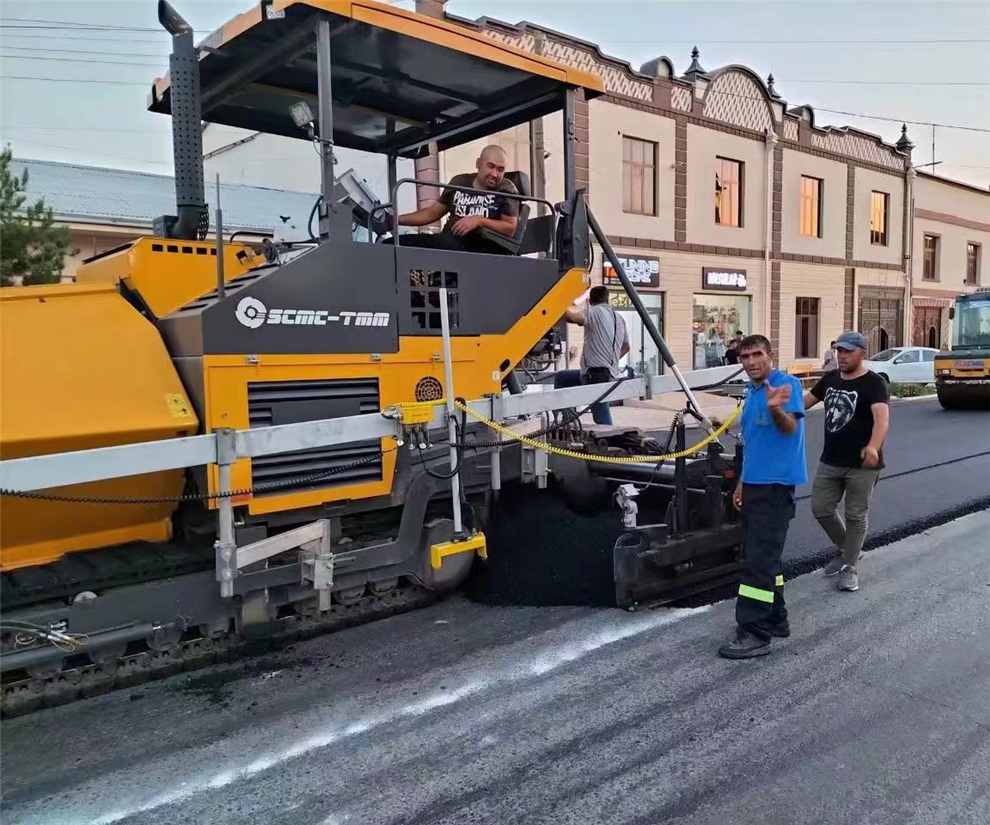
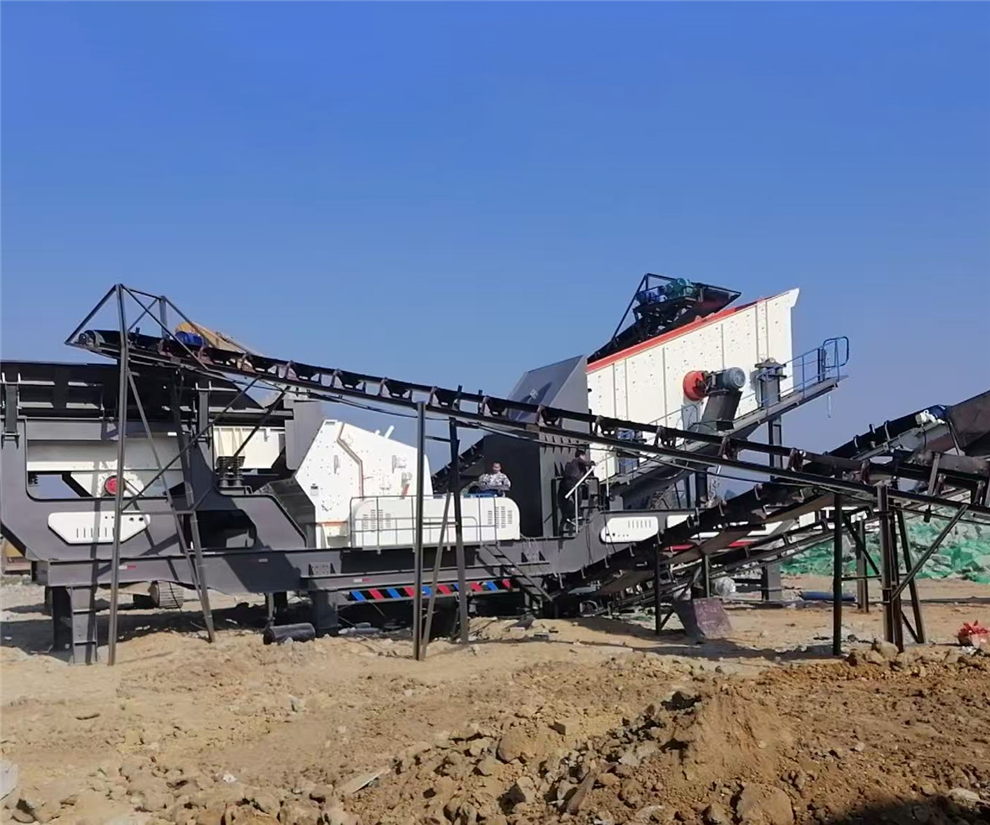
To produce high-quality sand seal aggregates, precise crushed aggregate gradations are vital. Our aggregate plant lineup—including Mobile Primary Screens, Mobile Jaw Crushers, and Roll Crushers—ensures strict particle shape index compliance and dust washing for optimum bituminated sand adhesion.
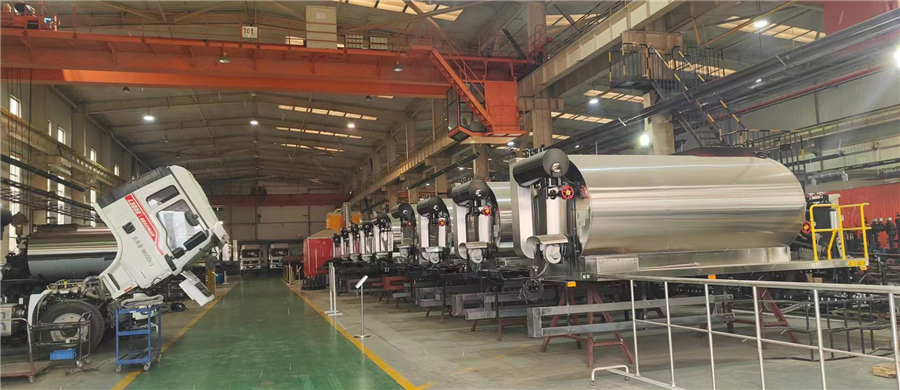
Uncompromised manufacturing quality, robust OEM engineering flexibility, and comprehensive lifetime field support.
Over two decades of continuous engineering evolution rooted in university research, holding numerous patents in mechanical dynamics, hydraulics, and electronic control.
We do not just supply machinery. We provide end-to-end technical support, asphalt emulsion mix designs, and sand gradation recipe recommendations tailored to local climate conditions.
Full custom equipment tailoring, chassis integration (Sinotruk, Shacman, FAW, Volvo, Mercedes-Benz), and specialized capacity options for unique job site requirements.
Round-the-clock remote diagnostic support, rapid spare parts fulfillment, and experienced on-site dispatch engineers for equipment commissioning and crew training.
Direct local support centers and regional spare parts hubs operating across Russia, Malaysia, South Africa, Uzbekistan, Ghana, Kenya, Indonesia, and Sri Lanka.
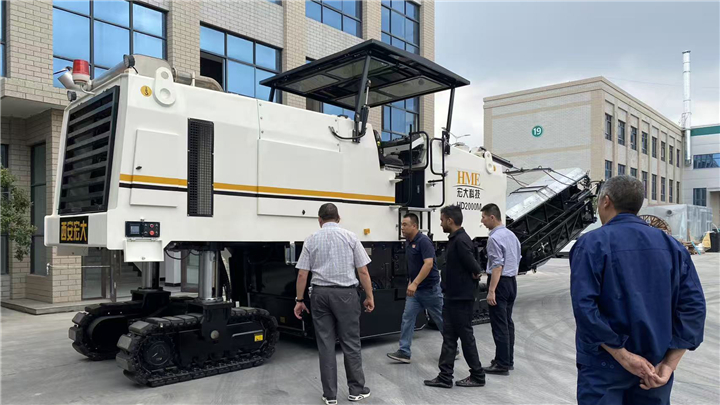
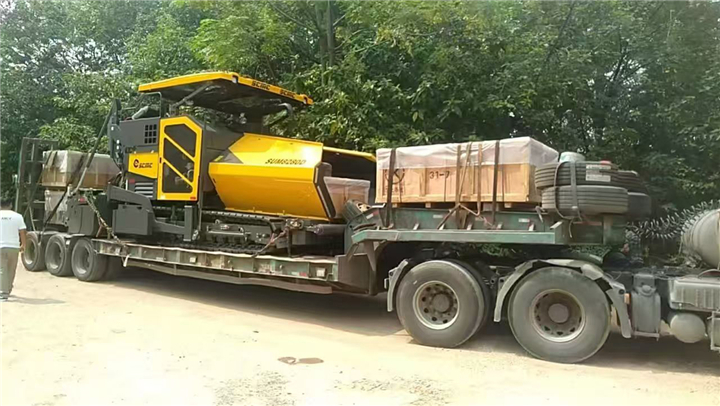
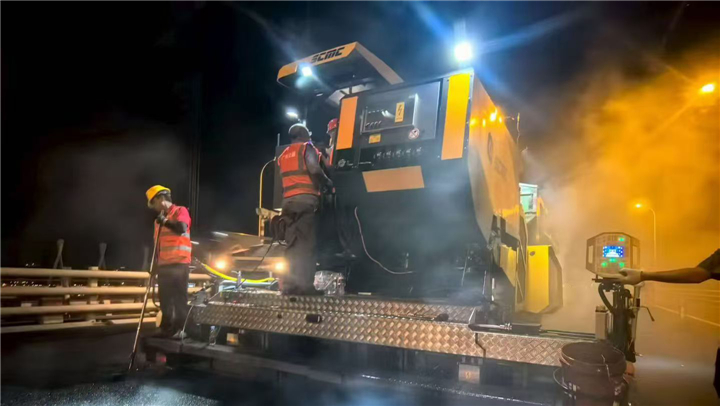
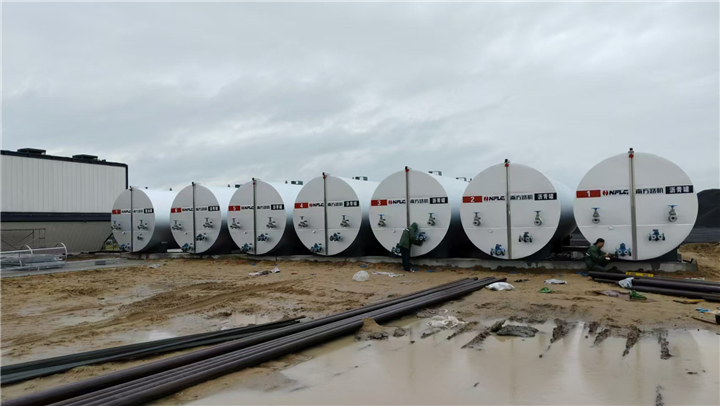
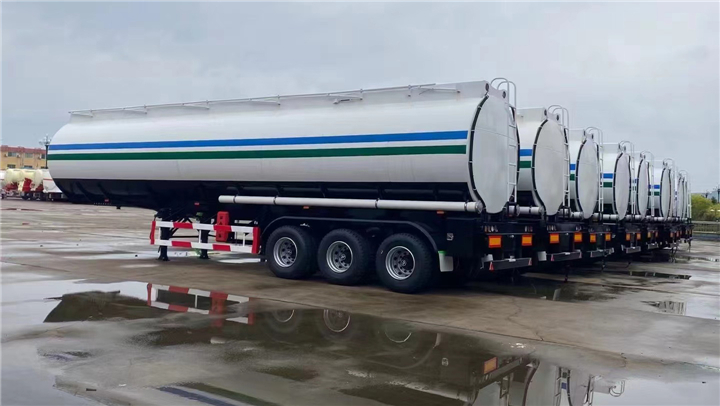
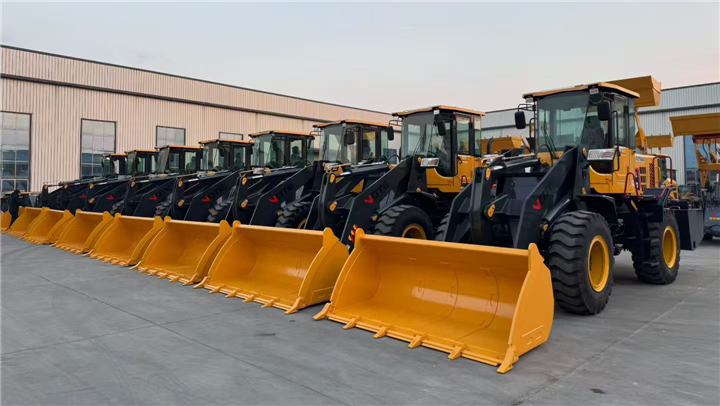
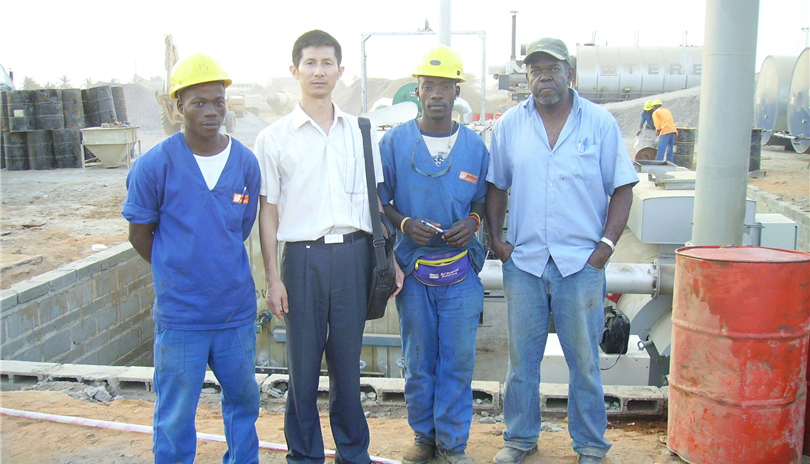
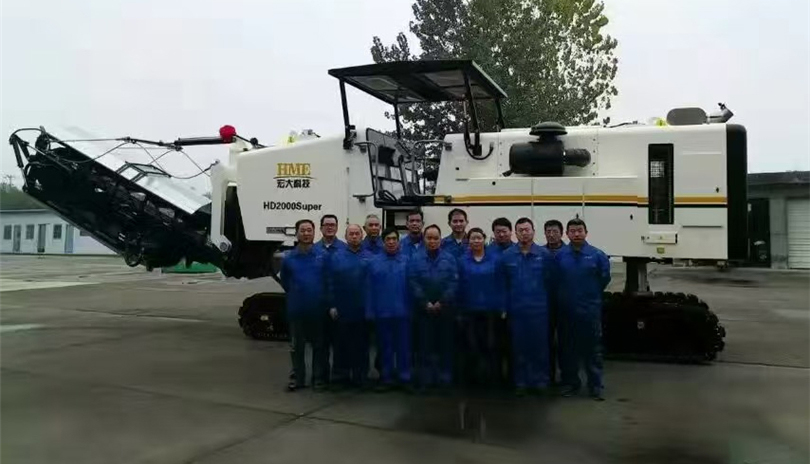
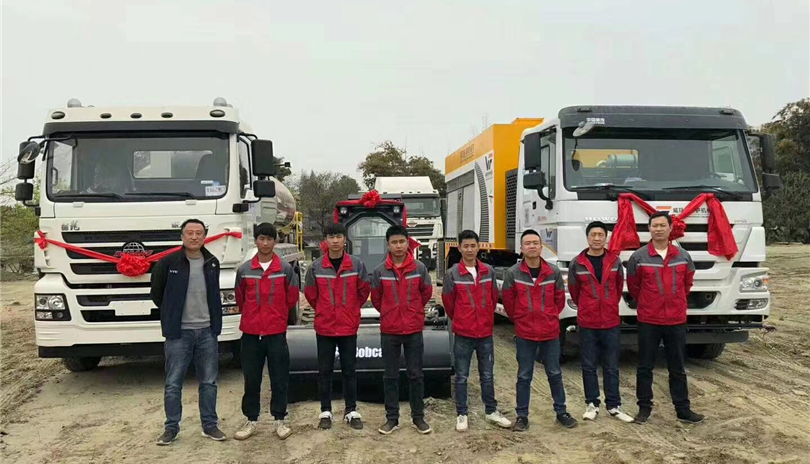
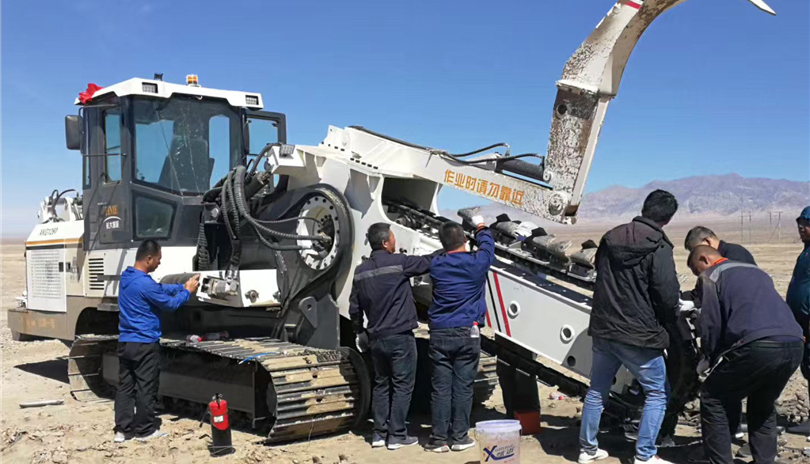
Our heavy road maintenance machinery is actively exported to more than 60 countries and regions globally, including India, Sri Lanka, Indonesia, Nigeria, South Africa, Eritrea, Mozambique, Congo, Australia, Fiji, Bolivia, Russia, Uzbekistan, and beyond. Customer satisfaction and zero-downtime reliability remain our top priorities.








Driving the future of sustainable pavement engineering through AI automation, green bio-binders, and smart fleet telematics.
Integrating real-time high-frequency LiDAR and microwave density sensors to measure sand slurry thickness instantly during laydown, automatically adjusting binder output to prevent oversaturation.
Developing non-petroleum bio-rejuvenators and plant-derived polymer modifiers that lower net carbon footprint by up to 65% while providing superior oxidative resistance against harsh solar UV radiation.
Implementing GPS-RTK centimeter-level automated steering and remote telematics across our micro-surfacing and chip spreader machines to eliminate operator error and maximize material usage accuracy.
In-depth answers to key engineering queries regarding pavement sand seal application, equipment selection, and aggregate specifications.
A Fog Seal is purely a light liquid asphalt emulsion spray applied without aggregate, intended to seal fine hairline cracks. A Micro-surfacing is a heavy polymer-modified cold mix (containing larger coarse aggregate) applied with a continuous pugmill paver for structural re-profiling. A Sand Seal strikes an optimal balance: it applies asphalt emulsion immediately followed by a fine sand layer (0.075–2.36mm), offering mechanical friction restoration and aggregate lock-in at a fraction of micro-surfacing costs.
Pavement sand seals should be placed when pavement surface temperatures are at least 15°C (60°F) and rising, with relative humidity below 80%. Application must be avoided during rain, heavy fog, or impending freezing conditions to allow the emulsion to break chemically and cure properly.
With high-performance cationic rapid-setting polymer emulsions (CRS-2P or CSS-1h), light pneumatic-tire rolling can begin within 30–45 minutes of application. Slow-speed public traffic can typically be reopened in 2 to 4 hours under warm sunny conditions.
Aggregates must conform to ASTM D1073 (Fine Aggregate for Bituminous Paving Mixtures) or ISSA guidelines. Sand should consist of clean, tough, durable washed quartz or angular crushed granite/basalt, with a Sand Equivalent (SE) value of 60 or higher and less than 3% clay or silt dust content.
Yes. As a direct manufacturer with an academic engineering background, we provide complete OEM customization including tailored tank capacities, automated computer metering systems, specialized spray bar widths, and chassis mounting for Sinotruk, Shacman, Mercedes-Benz, MAN, or Volvo trucks.
Browse our full catalogue of road widening, asphalt emulsification, micro-surfacing, and material processing equipment.
 HME Machinery