Factory-Direct High-Performance Machinery Engineering Portfolio
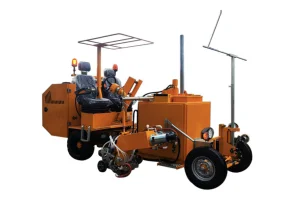
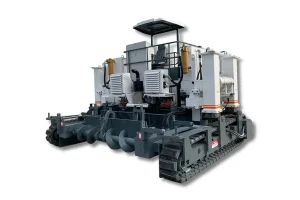
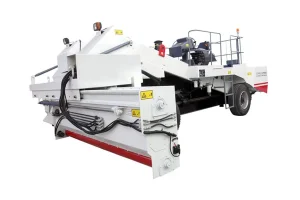
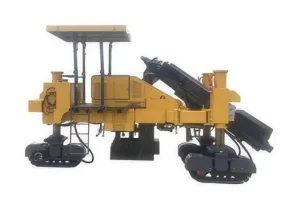
Rooted in Chang'an University's Road Engineering R&D Expertise Since 1998
Understanding Thermoplastic Extrusion, Cold Spraying, and Retroreflective Physics
Operates at temperatures between 180°C and 220°C. Utilizes double-deck stainless steel melting kettles with thermal oil jackets. Precision screed shoes ensure uniform line thickness (1.5mm to 5.0mm) with thermal insulation to prevent binder degradation.
Utilizes hydraulic-driven piston pumps delivering up to 25 MPa of pressure. Enables sharp line definition without paint misting. Compatible with waterborne, solvent-based acrylics, and two-component cold plastics.
Employs dynamic 1:1 or 98:2 internal mixing systems with automatic flow control. Offers high resistance to snowplow damage and chemical abrasion, with structural cross-linking completing within 15–30 minutes.
The visibility of road markings during nighttime or adverse weather conditions relies on optics: light rays emitted from vehicle headlights must undergo retroreflection inside micro glass beads embedded in the paint matrix, refracting light straight back to the driver's eye. Achieving optimal coefficient of retroreflected luminance ($R_L$, measured in $\text{mcd}\cdot\text{lx}^{-1}\cdot\text{m}^{-2}$) requires strict mechanical control over the glass bead application mechanism.
If glass beads are embedded too shallow (<50% of bead diameter), traffic shear forces quickly dislodge them, leading to rapid retroreflectivity loss. If embedded too deep (>70%), paint covers the bead's upper hemisphere, preventing light entry. HME TOP road marking machines utilize pressurized bead guns synchronized with travel speed to ensure a precise 58%–62% embedment depth across varied material viscosities.
Standard glass beads possess an RI of 1.51, ideal for dry night conditions ($R_L > 350\text{ mcd}\cdot\text{lx}^{-1}\cdot\text{m}^{-2}$). For wet night visibility, our machines feature dual-chamber drop-on systems that simultaneously deposit high-index premium beads (RI 1.90 to 2.40) alongside anti-skid aggregate grains (corundum/alumina) to preserve skid resistance values (BPN > 45).
| Parameter / Feature | Thermoplastic Extrusion | Cold Solvent / Waterborne | Two-Component (2K MMA) | Preformed Thermoplastic Tape |
|---|---|---|---|---|
| Layer Thickness | 1.8 mm – 5.0 mm | 0.2 mm – 0.6 mm | 1.5 mm – 3.0 mm | 1.5 mm – 3.0 mm |
| Curing / Drying Time | < 3 Minutes | 10 – 30 Minutes | 15 – 30 Minutes | Immediate (Heat-Bonded) |
| Service Life Expectancy | 3 – 5 Years | 6 – 12 Months | 4 – 6 Years | 5 – 8 Years |
| Initial Retroreflectivity ($R_L$) | > 350 $\text{mcd}\cdot\text{lx}^{-1}\cdot\text{m}^{-2}$ | > 200 $\text{mcd}\cdot\text{lx}^{-1}\cdot\text{m}^{-2}$ | > 450 $\text{mcd}\cdot\text{lx}^{-1}\cdot\text{m}^{-2}$ | > 500 $\text{mcd}\cdot\text{lx}^{-1}\cdot\text{m}^{-2}$ |
| Thermal Operating Range | 180°C – 220°C | Ambient (10°C – 40°C) | Ambient (5°C – 45°C) | Heat Torch Applied |
| Primary Application Field | Highways & Trunk Roads | Temporary / Urban Roads | High-Wear Intersections & Cold Regions | Airports & Pedestrian Crossings |
Why Modern Road Line Painting Demand is Surge-Driven by Smart Transportation & ADAS
The expansion of Advanced Driver Assistance Systems (ADAS) and Level 3+ autonomous driving requires high-definition road markings. Autonomous perception suites rely on optical cameras and LiDAR sensors to detect lane boundaries. Uneven line edges, low contrast, or degraded retroreflectivity lead to lane-departure algorithm failures.
As a result, municipal transport departments across North America, Europe, and Asia-Pacific are enforcing stricter standards for line contrast, edge sharpness, and luminance coefficients ($Q_d$). HME TOP’s micro-processor controlled road marking machines utilize automated line tracking and hydrostatic drive systems to maintain straight line margins within ±2mm accuracy.
Infrastructure modernization programs in emerging economies—specifically across Southeast Asia, Sub-Saharan Africa, and Latin America—have driven demand for heavy-duty, multi-functional pavement stripers. International contracts require strict compliance with standards such as EN 1436 (European Standard for road marking performance) and AASHTO M249 (Standard Specification for White and Yellow Thermoplastic Material).
Our factory equipment integrates automated data-logging modules that record material application temperature, paint consumption per square meter, ambient humidity, and bead application rates in real time, delivering verifiable quality assurance for government contractors.
Tailored Equipment Configurations for Extreme Climates and Specialized Operating Conditions
Operating Regions: Russia, Northern Europe, Central Asia.
Equipped with cold-start diesel auxiliary power units, heated paint circuit lines, and high-elasticity 2K MMA application valves to prevent line delamination caused by freeze-thaw cycles and snowplow scraping forces.
Operating Regions: Middle East, Southeast Asia, West Africa.
Features heavy-duty hydraulic oil cooling radiators, anti-corrosive stainless-steel material tanks, and UV-stabilized paint agitation systems that prevent early polymer yellowing and resin premature setting under high ambient temperatures (>45°C).
Operating Regions: Global International Airports & Freight Hubs.
Deploys high-output ultra-wide spray bar systems capable of 900mm single-pass striping. Integrated with black-and-yellow dual-color simultaneous spraying mechanics for runway threshold and taxiway guidance line marking.
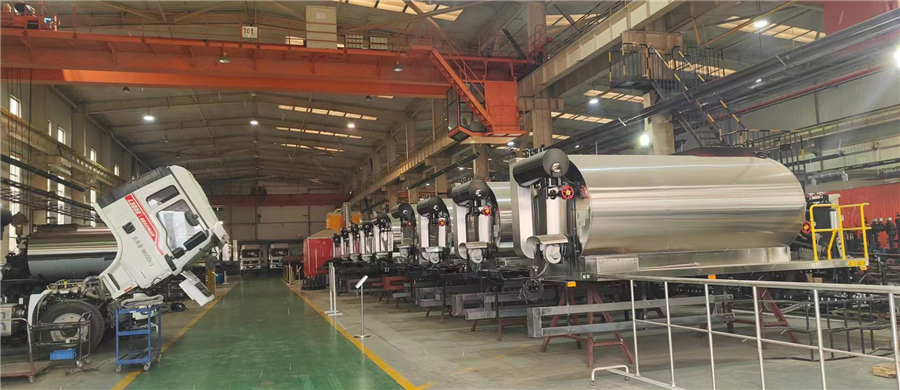
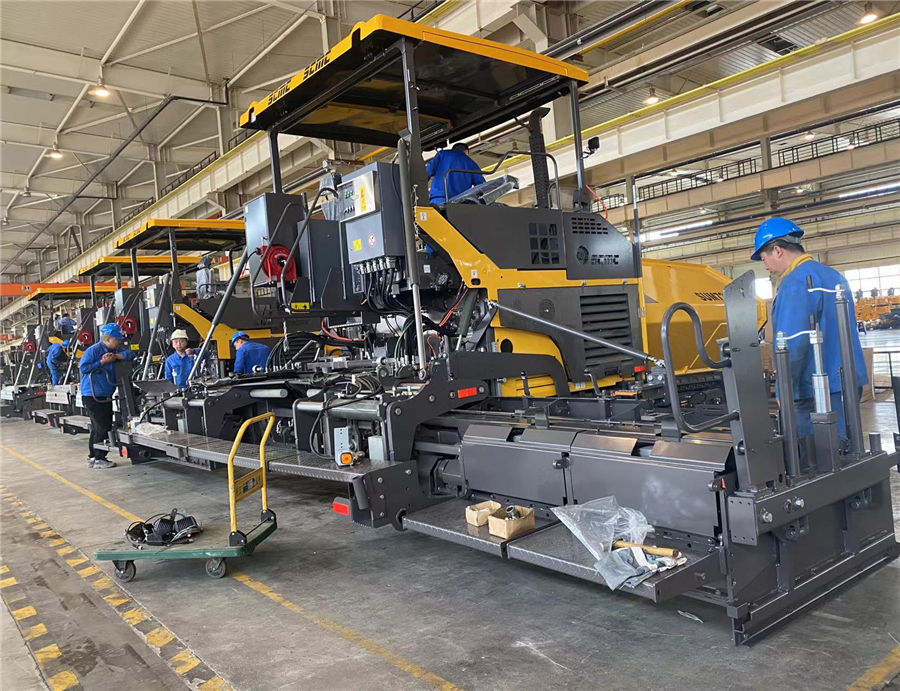
End-to-End Vertical Integration Delivering World-Class Machinery Cost Competitiveness
Pioneering Smart, Zero-Emission, and AI-Guided Road Line Marking Solutions
Integration of real-time camera vision systems onto hand-push and ride-on stripers. Automatic line detection algorithms guide spray guns to repaint worn-out road markings with zero manual positioning errors, reducing operator fatigue by 60%.
Transitioning small-to-medium hand-push marking machines to high-density lithium iron phosphate (LiFePO4) battery systems. Delivers silent urban operation during night hours with zero localized carbon emissions and zero oil leakage risk.
Unmanned, GPS/RTK-guided autonomous road marking vehicles operating via fleet management software. Enables continuous highway lane marking without human driver exposure to highway traffic hazards.
Exported to Over 60 Countries Supported by Local Distribution & Technical Support Teams





One-Stop Equipment Portfolio for Infrastructure Contractors Worldwide
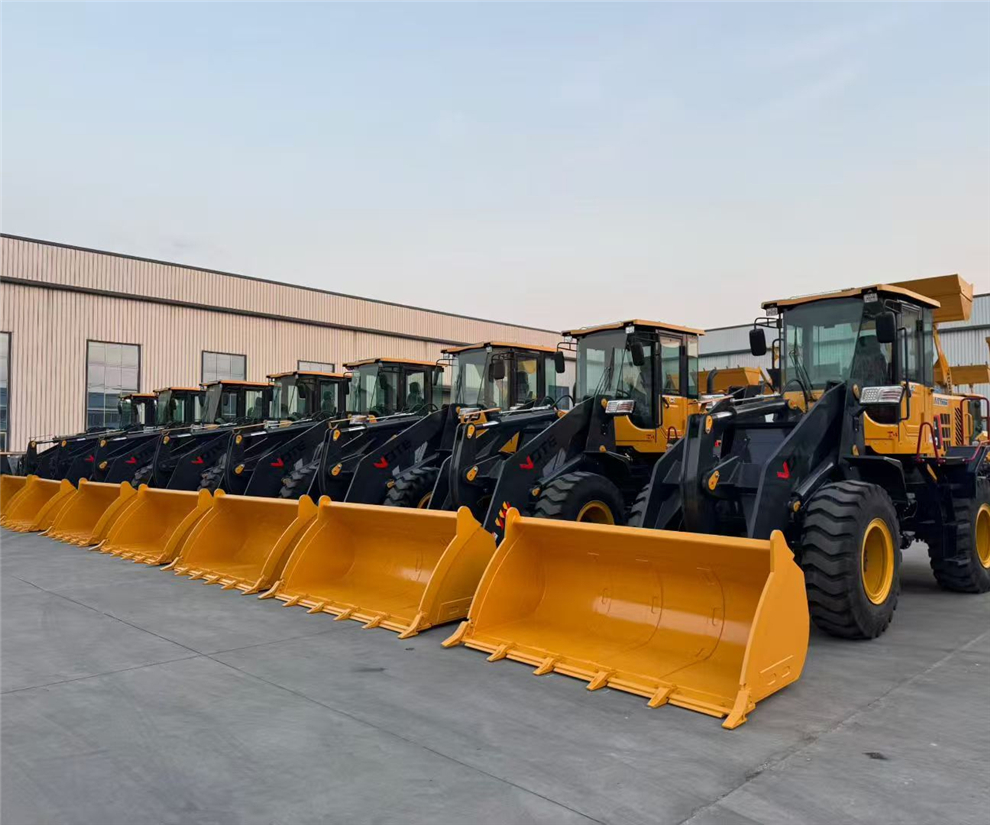
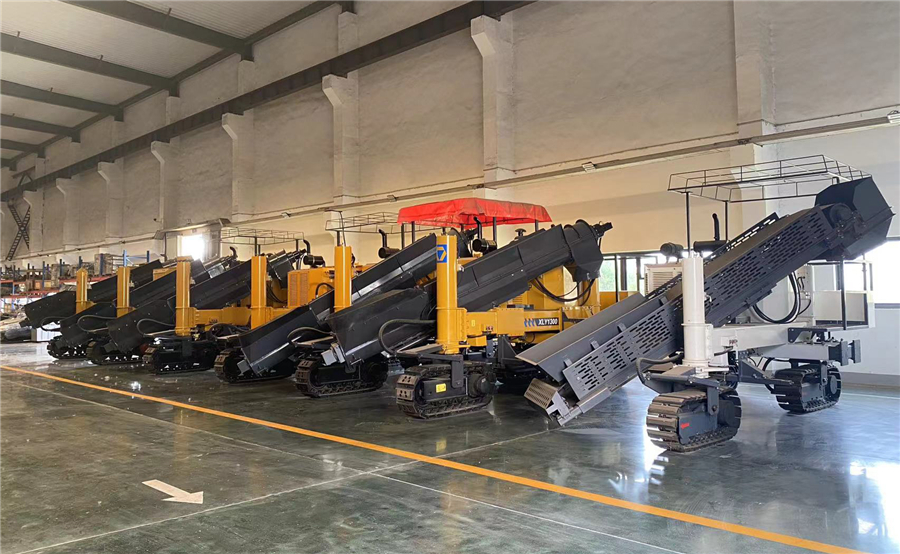
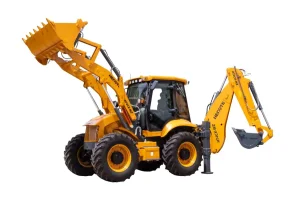
Wheel loaders, mini excavators, backhoe loaders, motor graders, and walking excavators designed for earthworks, bridge construction, seaport expansion, and rural development projects.
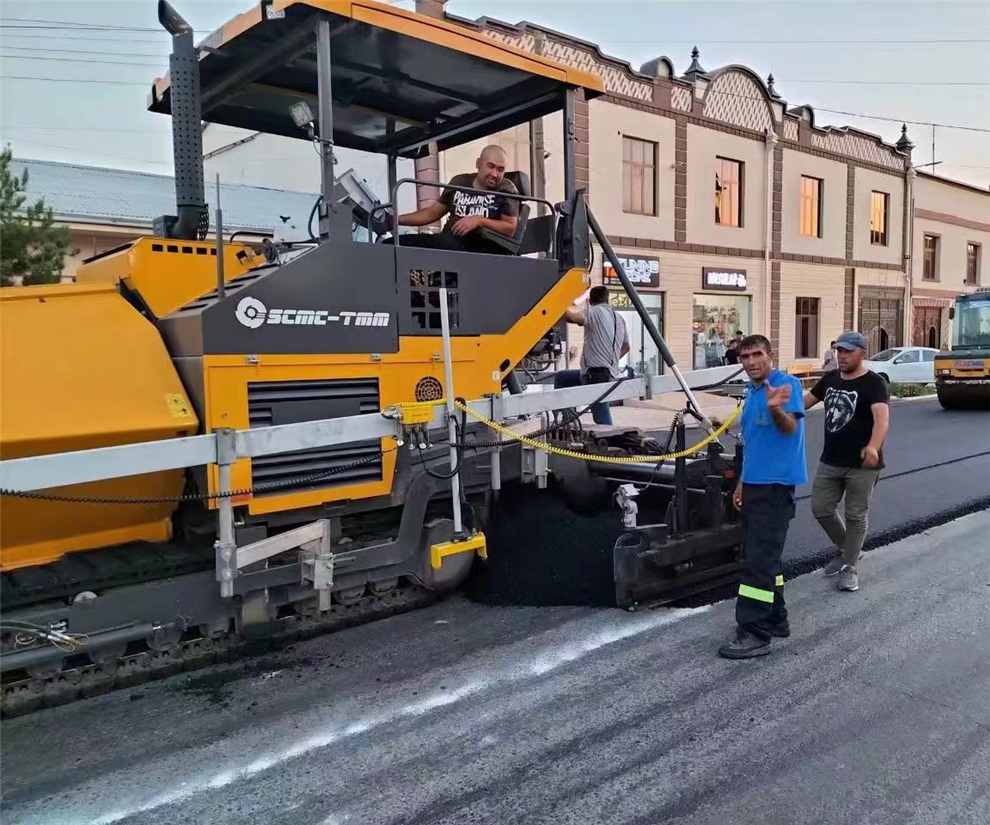
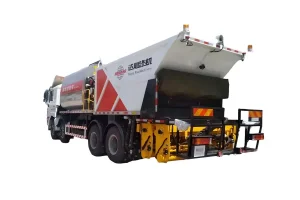
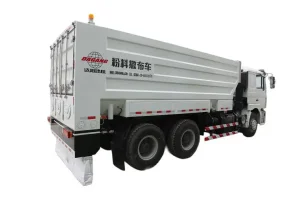
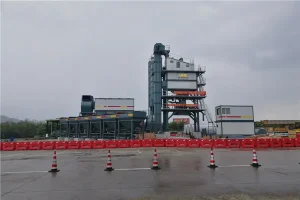
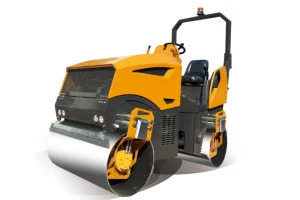
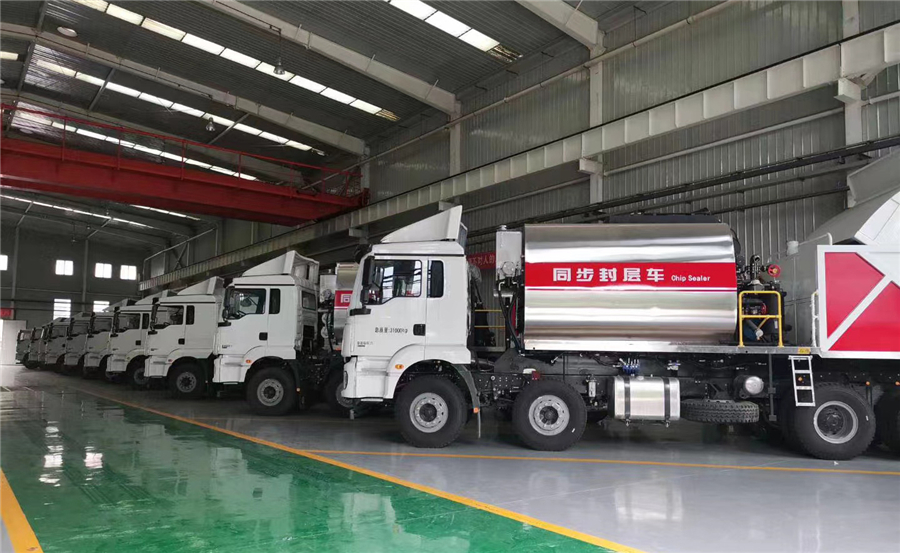
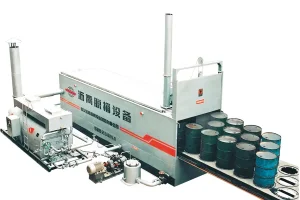
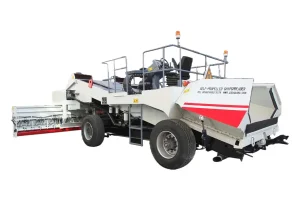
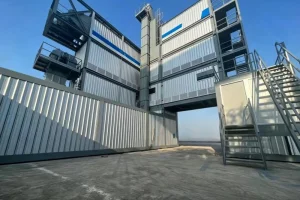
Asphalt mixing plants, pavers, intelligent bitumen distributors, road milling machinery, chip sealers, slurry seal pavers, road rollers, and cold in-place recyclers (CIPR).
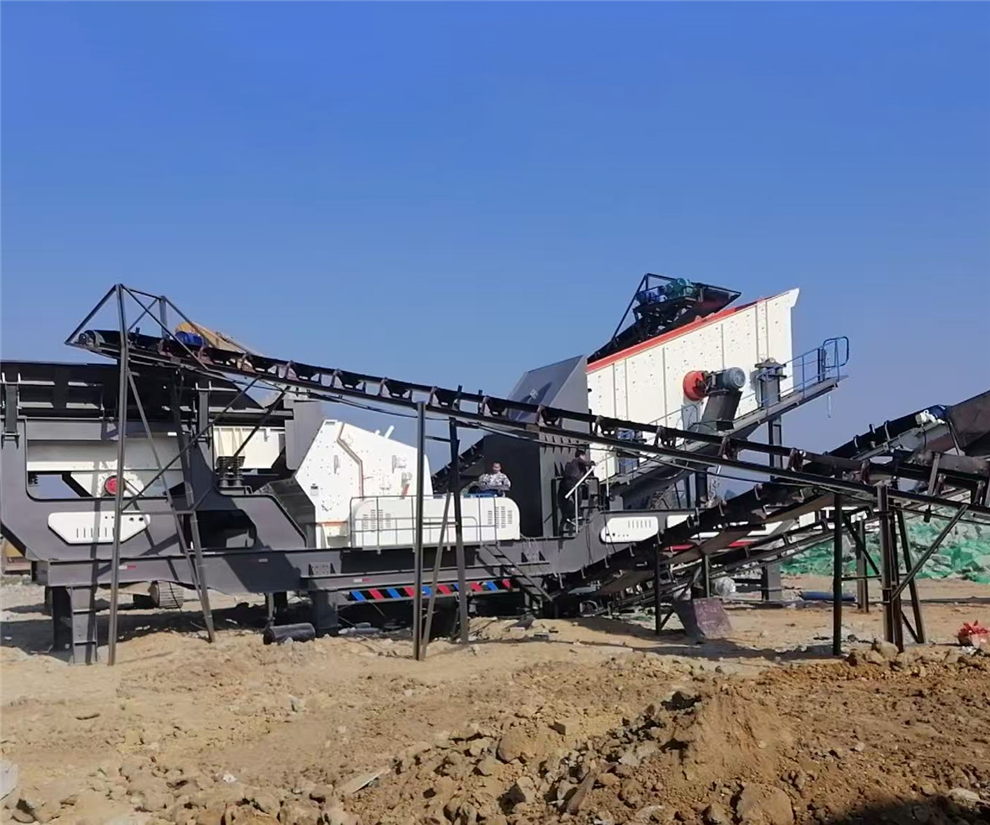
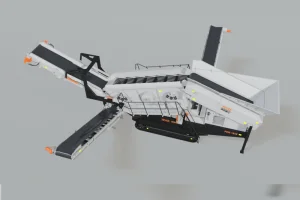
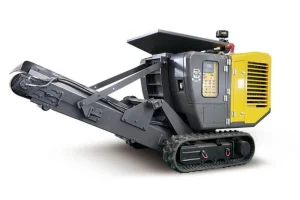
Mobile primary screening plants, jaw crushers, mobile vibrating screens, and recycling crushers engineered for aggregate processing and construction waste recycling.
Addressing Buyer Search Intent, Equipment Operations, and OEM Ordering Workflows
Factory-Direct Supply for Excavation, Paving, Milling & Crushing Applications
 HME Machinery